


Gardening isn’t always about perfectly manicured lawns and dry borders. For gardeners with naturally damp or poorly drained soil, soggy patches can often feel like a problem rather than a blessing. But with the right plants, these wet areas can be transformed into thriving boggy gardens, lush, vibrant spaces that support biodiversity and provide a dramatic splash of color and texture throughout the year.
In this guide, we’ll explore the best plants for boggy soil, their care requirements, and tips for creating a stunning wet garden that thrives in soggy conditions.
Understanding Boggy Soil
Before choosing plants, it’s important to understand what makes soil “boggy.” Boggy soil is constantly moist, poorly drained, and often slightly acidic, creating a unique environment where many traditional garden plants struggle. This moisture-retentive soil can result from natural depressions in the landscape, high clay content, or areas near ponds and streams.
Instead of fighting these conditions, gardeners can work with them. Designing a dedicated boggy garden allows you to grow plants that are not only more likely to thrive but can also add ecological value by attracting insects, amphibians, and birds to your landscape.
Why Choose Boggy Garden Plants?
Gardening in wet areas offers several benefits:
- Maximizing difficult spaces: Turn waterlogged areas into beautiful garden features.
- Biodiversity: Attract frogs, dragonflies, and pollinators.
- Unique planting options: Wet-loving plants often have unusual textures, bold flowers, or exotic appeal.
- Low maintenance: Once established, bog plants thrive naturally in damp conditions.
By choosing the right species, you can create a garden that is both visually striking and ecologically valuable.
Designing a Boggy Garden
When planting a bog garden, consider creating zones based on moisture tolerance:
- Wet zone: Areas that are consistently waterlogged.
- Moist zone: Areas that remain damp but not standing in water.
- Edge zone: Slightly drier edges that transition into regular garden soil.
This zoning allows you to match plants to their preferred conditions, ensuring healthy growth and a balanced, natural look.
To help you visualize your layout, you can consult this visual guide for wet soil plants, which categorizes species by their specific sunlight and moisture needs.

Best Boggy Garden Plants
Here’s a comprehensive list of bog-friendly plants, organized by type and moisture preference:
1. Moisture-Loving Perennials
These plants thrive in damp, fertile soil and add long-lasting structure to your garden:
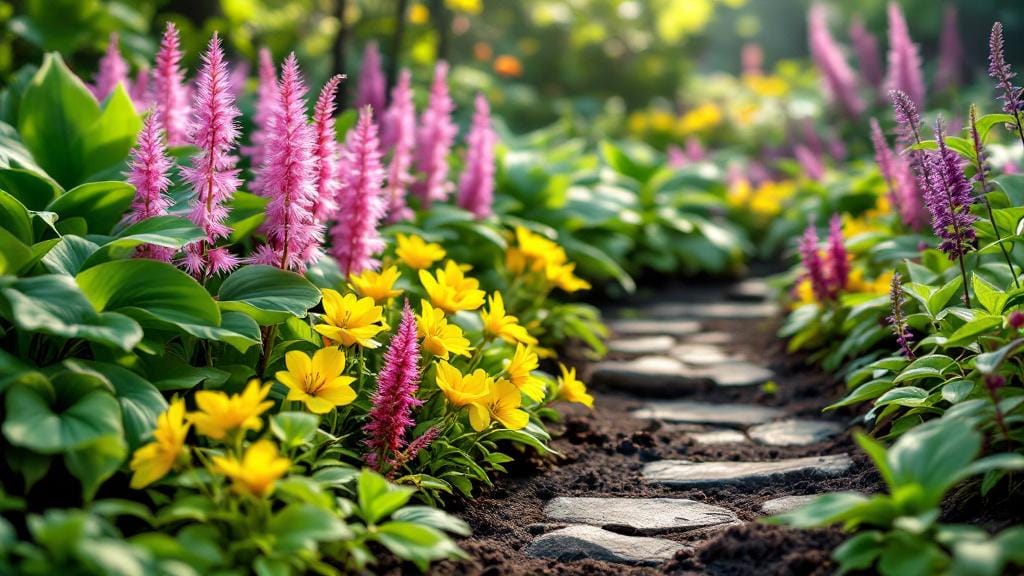
- Astilbe: Produces feathery plumes in shades of pink, white, or red. Prefers partial shade and consistent moisture.
- Hosta: Known for large, textured leaves, hostas flourish in damp, shaded areas.
- Ligularia: Bold, large-leaved plants with yellow or orange flower spikes. Ideal for mid-moisture areas.
- Japanese Primrose (Primula japonica): Early spring bloomers with vibrant flowers that tolerate wet soil.
- Rudbeckia (Black-eyed Susan): Provides long-lasting summer color and can adapt to slightly damp conditions.
2. True Bog Plants
These species are naturally adapted to waterlogged, acidic soils and often grow in wild wetlands:
- Marsh Marigold (Caltha palustris): Bright yellow spring flowers that thrive in saturated soil or shallow water.
- Bogbean (Menyanthes trifoliata): Attractive leaves and white star-shaped flowers; excellent for wet zones.
- Sundews (Drosera spp.): Carnivorous plants that trap insects; perfect for very acidic bogs.
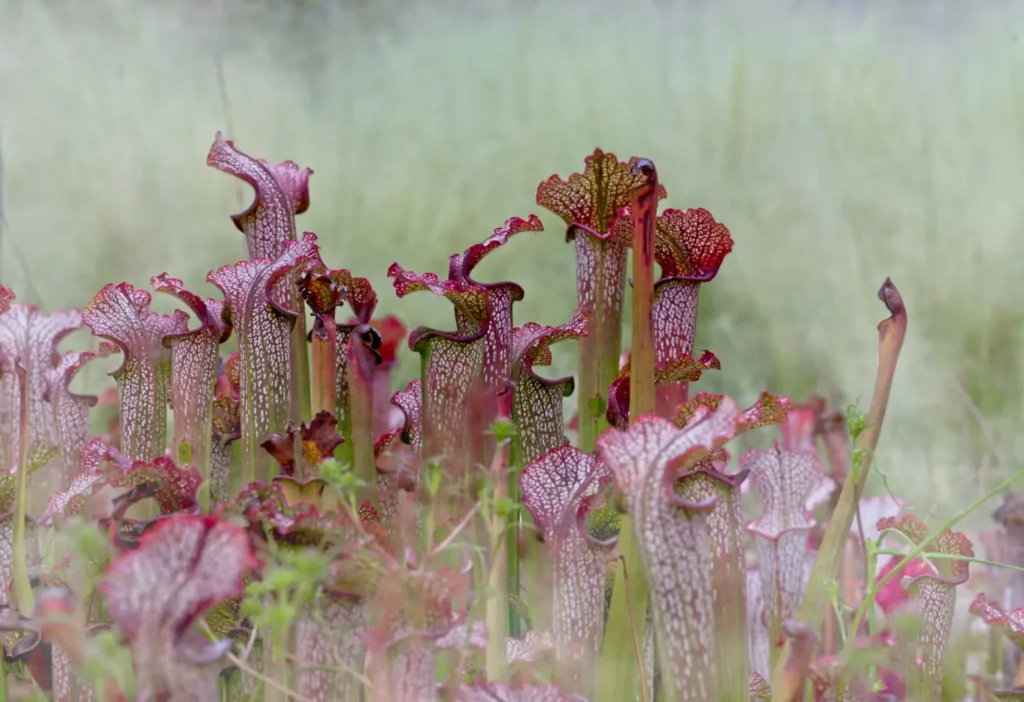
- Pitcher Plants (Sarracenia spp.): Iconic carnivorous species that add drama and texture.
- Cotton Grass (Eriophorum angustifolium): Produces soft, fluffy white seed heads that sway in the wind.
If you are fascinated by these unique species, you can explore the mysterious world of pitcher plant bogs to learn more about how these living traps function in their natural habitat.
3. Moisture-Tolerant Shrubs
Adding shrubs to your boggy garden introduces height, structure, and seasonal interest:
- Willows (Salix spp.): Fast-growing, moisture-loving trees or shrubs; great for pond edges.
- Redtwig Dogwood (Cornus sericea): Striking red stems in winter contrast beautifully with wet soil.
- Alder (Alnus glutinosa): Nitrogen-fixing trees that thrive in waterlogged conditions.
- Rhododendron (certain varieties): Acid-loving shrubs that enjoy consistently moist soil.
4. Grasses and Sedges
Grasses and sedges add texture, movement, and a naturalistic look:
- Carex (Sedges): Many species tolerate wet conditions and provide fine, arching foliage.
- Acorus calamus (Sweet Flag): A bold, reed-like grass for pond edges.
- Molinia caerulea (Purple Moor Grass): Tall, elegant grass with purplish flower spikes in summer.
- Juncus (Rushes): Hardy perennials with striking vertical lines, ideal for wet borders.
5. Bulbs and Seasonal Highlights
Bulbs and seasonal plants provide bursts of color in spring and summer:
- Iris sibirica (Siberian Iris): Elegant purple or blue flowers that tolerate wet soil.
- Creeping Jenny (Lysimachia nummularia): Vibrant foliage that spreads across wet areas.
- Gladiolus communis: Adds summer height and color; plant in moist borders.
Planting Tips for Boggy Gardens
- Match plants to moisture zones: Avoid planting water-loving species in drier patches; they’ll struggle.
- Space generously: Many bog plants spread quickly in favorable conditions. Give them room to thrive.
- Use peat-free compost: Helps improve soil structure while remaining eco-friendly.
- Group plants: Plant in clusters to create naturalistic displays and improve visual impact.
- Mulch with leaf litter or coir: Retains moisture and suppresses weeds without suffocating roots.
Caring for Boggy Garden Plants
Boggy garden plants are generally low-maintenance, but some attention ensures longevity:
- Watering: Natural rainfall is often sufficient, but during dry spells, water thoroughly. Avoid tap water with high lime content; rainwater is ideal.
- Weeding: Keep on top of weeds, especially invasive species like nettles or bindweed, which can overtake wet soil.
- Dividing perennials: Every 2–3 years, divide crowded plants to maintain vigor. Early spring or late autumn is ideal.
- Pruning shrubs: Cut back dead or damaged stems in late winter to promote healthy growth.
Seasonal Interest in a Boggy Garden
A well-planned bog garden has year-round appeal:
- Spring: Marsh marigolds, primulas, and irises burst into color.
- Summer: Ligularia, Rudbeckia, and moisture-loving grasses provide height and texture.
- Autumn: Seed heads, grasses, and red-twig dogwoods create structure and visual interest.
- Winter: Evergreen sedges, rushes, and shrubs maintain form; stems and seed heads add winter drama.
Wildlife Benefits
Boggy garden plants support local ecosystems:
- Amphibians: Frogs and newts use wet soil and shallow pools for breeding.
- Pollinators: Bees, butterflies, and hoverflies thrive on flowering bog plants.
- Birds: Attracted to insects, seeds, and shelter provided by shrubs and grasses.
By choosing native or pollinator-friendly species, your bog garden becomes a mini wildlife sanctuary.
Troubleshooting Common Problems
Even wet-loving plants may face challenges:
- Excessive standing water: Ensure proper drainage by creating slight slopes or using permeable liners.
- Algae and moss growth: Avoid stagnant water; incorporate gentle circulation with small pumps if needed.
- Plant overcrowding: Divide or thin plants to prevent fungal diseases and encourage airflow.
- Pests: Slugs and snails enjoy wet conditions; control naturally with copper tape, barriers, or encouraging predators like birds.
Boggy gardens offer a unique opportunity to turn challenging, waterlogged areas into vibrant, ecologically rich landscapes. With the right plants—ranging from dramatic carnivorous species to elegant moisture-loving perennials, shrubs, and grasses—you can create a garden that is visually striking, wildlife-friendly, and low-maintenance.
The key is to understand your soil, zone your planting areas, and select species suited to the wet conditions. By working with nature rather than against it, even the soggiest corner of your garden can become a lush paradise bursting with color, texture, and life year-round.
So embrace the wet, plant wisely, and watch your boggy garden flourish into a stunning sanctuary for both plants and wildlife.