


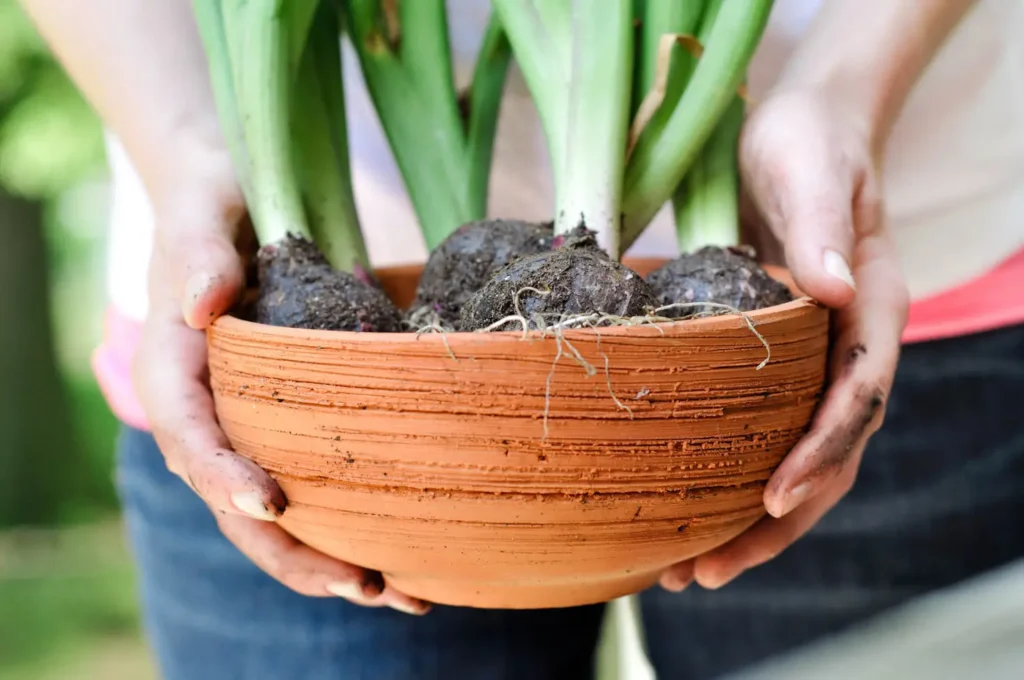
Growing vegetables in containers is rewarding but challenging. Unlike in-ground gardening, containers hold a limited amount of soil, dry out faster, and provide less buffering for nutrients. Using ordinary garden soil can lead to compaction, poor drainage, and restricted root growth.
The right potting soil ensures that roots have enough air, moisture is retained without waterlogging, nutrients are available, and the medium stays loose and workable. In container gardening, soil quality is one of the most important factors for healthy vegetables.
Key Features to Look for in Potting Soil
When choosing a potting soil for vegetables, consider these key characteristics:
Drainage and Aeration
Roots need oxygen as much as water. Soil that compacts or remains soggy can hinder root growth and nutrient uptake. Look for materials like perlite, vermiculite, coconut coir, or bark fines to maintain porosity and prevent compaction.
Moisture Retention
While good drainage is essential, the soil must also retain enough moisture. Vegetables in containers often dry out quickly, so choose a soil that balances drainage with water retention. Ingredients like coconut coir, peat moss, and compost help maintain moisture without creating soggy conditions.
Nutrient Content
Vegetables are generally heavy feeders. A potting soil should contain nutrients or allow for easy fertilization. Look for slow-release fertilizers included in the mix or choose a soil that is easy to amend. Ensure the soil is safe for edible plants, free of contaminants.
Vegetables are heavy feeders and require a stable pH between 6.0 and 6.8 to grow effectively. As noted in the detailed overview of potting soil characteristics on Wikipedia, container mediums lose their nutrient base much faster than ground soil due to frequent watering, which makes regular supplemental fertilization a necessity for a healthy harvest.
Texture and Structure
Good container soil should feel light, airy, and loose rather than dense or clay-like. This encourages root expansion and prevents compaction. Avoid soils that appear like a dense brick in the bag.
Labeling and Safety
Check that the soil is designed for container use and safe for vegetables. Terms like “for containers,” “for vegetables,” or “food safe” indicate that the soil is suitable for growing food. Ensure the soil contains no harmful additives, weed seeds, or pathogens.
Sustainability (Optional)
Many gardeners prefer soils that use renewable ingredients, such as coconut coir instead of peat moss. Organic or certified soils can be used if you want to grow vegetables organically.

Making Your Own Potting Soil
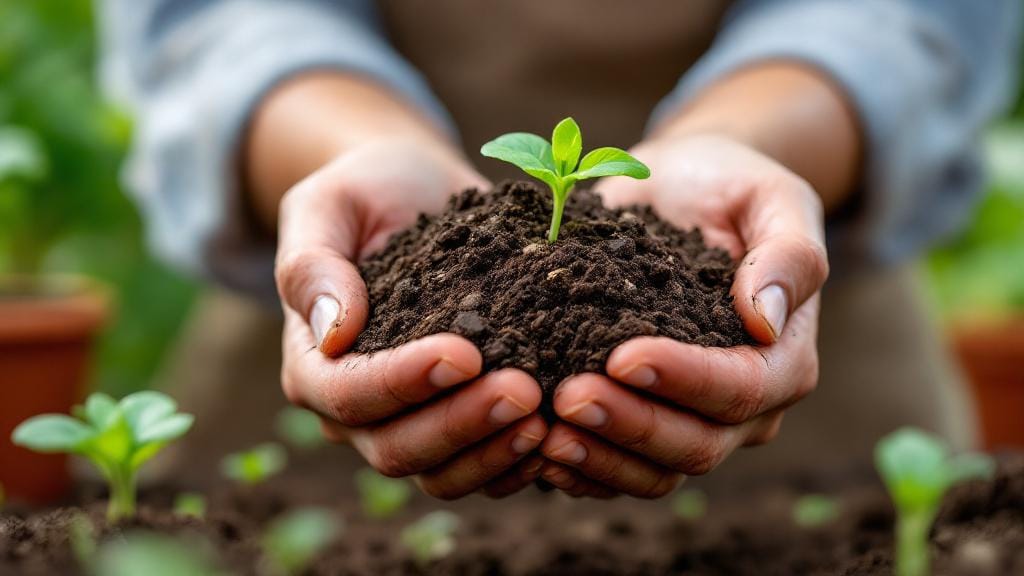
For more control or local sourcing, you can make your own potting mix. A typical recipe includes:
- Base medium: coconut coir or peat moss to hold moisture
- Aeration: perlite or vermiculite to improve drainage and airflow
- Organic matter: compost for nutrients
- Optional fertilizer: slow-release or liquid feeding schedule
DIY mixes allow customization and cost savings but require careful attention to ingredient quality and nutrient balance.
Matching Soil to Container Size and Vegetable Type
Matching your soil to your plant type is crucial. Once you have prepared the perfect nutrient-rich mix, you can start selecting the best plants for outdoor containers to ensure your patio or balcony stays vibrant all season long.
Different vegetables have different needs:
- Shallow-rooted vegetables: Lettuce, radish, and herbs need about 9–12 inches of soil depth. If you are looking for the best place to plant herb garden containers, a sunny windowsill or a kitchen-adjacent balcony is ideal, as long as you use a light, well-draining potting mix to prevent root rot.
- Deep-rooted or heavy feeders: tomatoes, peppers, and cucumbers require deeper containers (16–18 inches or more) and nutrient-rich soil.
- Hot or exposed locations: balconies or rooftops dry out containers faster, so choose a soil that retains moisture while draining well.
After each growing season, the soil may degrade in structure and nutrient content, so refresh or amend the soil for the next season.
Common Mistakes to Avoid
- Using ordinary garden soil or topsoil in containers can compact and hinder root growth.
- Choosing a mix formulated for in-ground beds or ornamental plants instead of vegetables.
- Using shallow containers for deep-rooted vegetables.
- Neglecting nutrient supplementation, container soils can deplete quickly.
- Overwatering or underwatering due to a misunderstanding of soil properties.
- Failing to read labels, some “garden soils” are unsuitable for containers.
Recommended Ready-Made Potting Soils
Several high-quality potting soils are widely available globally. Examples include:
- Premium Organic Potting Soil: Organic, coconut coir base, slow-release nutrients, suitable for containers and vegetables.
- Miracle-Gro Potting Mix: Nutrient-rich, “feeds plants up to 6 months,” and has good texture.
- Espoma Organic Potting Soil Mix: Includes compost, earthworm castings, kelp, and mycorrhizae for healthy growth.
- FoxFarm Ocean Forest Potting Soil: Rich in nutrients, ideal for heavy-feeding vegetables.
When selecting, consider cost, availability, container size, and the total soil volume needed.
Practical Guide to Using Potting Soil
- Plan your garden: Determine container size, number of containers, and types of vegetables.
- Select a suitable potting soil: Choose one designed for container vegetables, with proper aeration, drainage, and nutrients.
- Check texture and ingredients: Loose, airy soil with coir, perlite, or compost works best.
- Match soil to container and vegetable type: use deeper containers for heavy feeders and shallower ones for greens and herbs.
- Prepare containers: Ensure proper drainage holes and fill containers, leaving space for watering.
- Plant your vegetables: Add supplemental compost or fertilizer if needed.
- Water and feed regularly: Monitor moisture levels, as containers dry quickly, and fertilize as required.
- Refresh soil each season: Replace or amend degraded soil to maintain structure and nutrients.
- Avoid mistakes: Do not use plain garden soil, ensure proper drainage, and maintain nutrient balance.
Successful container gardening depends heavily on soil quality. Prioritize aeration, drainage, moisture retention, nutrient content, and safety for edible plants. Whether buying a high-quality ready-made mix or creating your own, the principles outlined here help ensure healthy, productive vegetable containers. With proper soil selection and care, container vegetables can thrive anywhere in the world.