


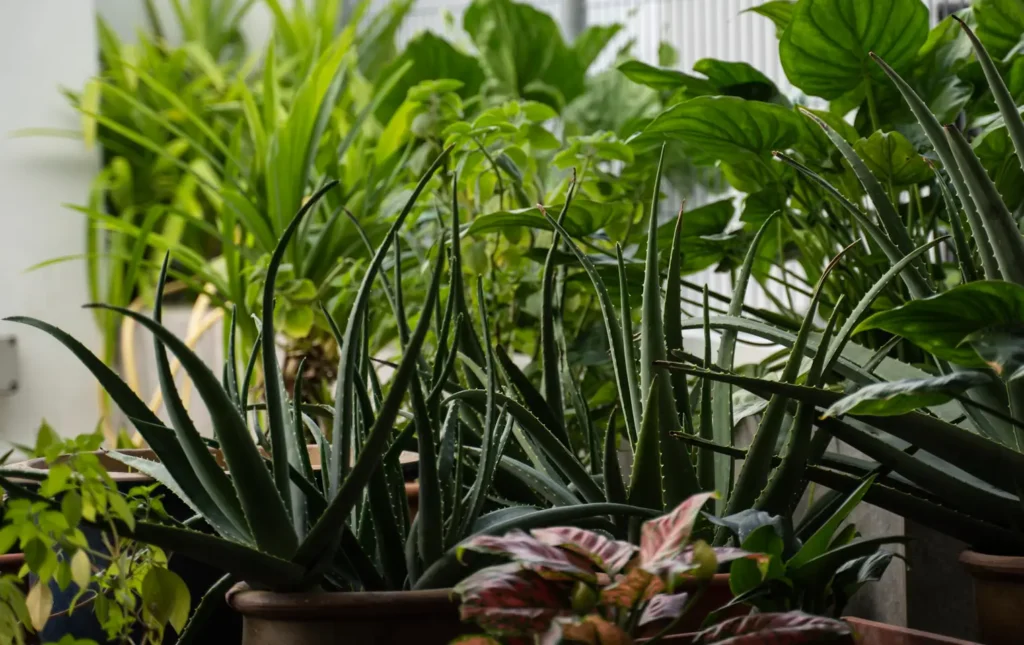
Outdoor planters transform patios, porches, balconies, and entryways into vibrant, living spaces. Whether you’re working with large urns, hanging baskets, or small pots, the plants you choose determine how dynamic and long-lasting your display will be. Selecting the best plants for outdoor planters isn’t just about looks; it’s about matching each plant to its growing conditions, pot size, and maintenance level. With the right combination of foliage, color, and texture, you can create living arrangements that thrive season after season.
Below is a comprehensive guide to choosing the best plants for outdoor planters, including flowers, shrubs, vines, foliage favorites, and year-round performers.
1. Understanding Outdoor Planters
Outdoor planters differ from traditional garden beds in several key ways. Because container plants rely on limited soil volume, they dry out faster and need consistent watering and nutrients. Planters also experience more temperature swings, and roots are less insulated than they are in the ground.
When selecting plants, consider three essentials:
- Light: Is your planter in full sun, part shade, or mostly shade?
- Climate: Do you experience cold winters, humid summers, or dry heat?
- Container size and material: Large pots hold moisture longer, while smaller ones dry quickly. Clay pots breathe but lose moisture faster than plastic or composite containers.
Once you understand these factors, you can select plants suited to your environment rather than simply choosing what looks pretty at the garden center.
Just as keeping your kitchen organized with the right Better Homes and Gardens food storage containers ensures your ingredients stay fresh, choosing the right size and material for your outdoor planters ensures your plants stay healthy and vibrant.
2. Best Plants for Sunny Outdoor Planters
Sun-loving plants thrive in areas that receive at least six hours of direct sunlight each day. These species love warmth and can handle heat, making them perfect for front yards, driveways, patios, and balconies.
Geraniums (Pelargonium spp.)
A classic choice, geraniums come in vibrant shades of red, pink, purple, and white. They bloom nonstop throughout summer, resist drought once established, and add a traditional, cheerful look to containers.
Petunias (Petunia hybrids)
Petunias are sun-loving annuals that cascade beautifully from planters. They come in nearly every color imaginable, and newer hybrids like Wave or Supertunia offer weather resistance and vigorous growth.
Lantana (Lantana camara)
Lantana thrives in hot, dry conditions that wilt many other plants. Its clusters of small, multi-colored flowers attract butterflies and bees all season long. It’s also deer-resistant and low-maintenance.
Verbena
Verbena produces clusters of tiny blooms that spill gracefully over the edges of pots. It’s ideal for sunny locations and continues flowering with minimal care.
Calibrachoa (Million Bells)
A smaller cousin of the petunia, calibrachoa fills planters with hundreds of tiny, trumpet-shaped blooms. It’s a perfect filler or spiller for mixed containers and does best in full sun.
Succulents (Echeveria, Sedum, Aeonium)
For a modern, low-maintenance look, succulents offer stunning shapes and textures. Mix varieties with different leaf colors from silvery green to deep burgundy for visual contrast.

3. Best Plants for Shade and Part-Shade Planters
Not every porch or patio receives full sun. Fortunately, many plants thrive in partial or full shade, offering lush greenery and subtle, elegant color.
Impatiens (Impatiens walleriana and New Guinea impatiens)
These shade staples bloom profusely in pastel or bold colors. New Guinea impatiens tolerate a bit more sun and have glossy leaves that add extra texture.
Coleus (Solenostemon scutellarioides)
Coleus is grown for its dramatic, multicolored foliage rather than flowers. It thrives in partial shade, adding reds, purples, yellows, and greens to container designs.
Hosta
Compact varieties of hosta make excellent planter plants, especially on shaded patios. Their broad, variegated leaves bring lush texture to mixed arrangements.
Begonias (Begonia spp.)
Begonias are versatile, thriving in part shade to full shade. Wax begonias and tuberous begonias provide long-lasting color, while rex begonias are prized for striking leaf patterns.
Ferns (Boston fern, maidenhair, asparagus fern)
Ferns are perfect for hanging baskets or urns in shaded spots. Their fine, arching fronds create movement and softness in outdoor displays.
Heuchera (Coral Bells)
Heuchera varieties offer colorful foliage from lime green to deep burgundy that adds vibrancy even without flowers. They pair beautifully with ferns and impatiens in shady containers.
4. Best Foliage and Texture Plants for Contrast
To design planters that pop, combine plants with contrasting textures and forms. Mixing upright, trailing, and mounding plants adds structure and visual rhythm.
Sweet Potato Vine (Ipomoea batatas)
With its heart-shaped leaves in bright lime or deep purple, sweet potato vine trails dramatically from containers. It pairs beautifully with flowering annuals and tolerates full sun.
Dusty Miller (Senecio cineraria)
This silver-gray plant adds a soft, velvety texture and contrasts beautifully with bright blooms like red geraniums or purple petunias.
Ornamental Grasses (Carex, Fountain Grass, Blue Fescue)
Grasses add height, movement, and airiness to planters. Their arching blades and feathery plumes pair well with both flowers and succulents.
Elephant Ears (Colocasia, Alocasia)
If you want bold, tropical drama, elephant ears bring oversized leaves that stand out in large containers. They need consistent moisture and partial shade.
Croton
Known for vibrant leaves streaked with yellow, orange, and red, croton adds tropical flair to outdoor planters in warm climates.
5. Best Shrubs and Perennials for Long-Term Planters
For gardeners who prefer low maintenance and year-round interest, small shrubs and perennials are excellent options. These plants can stay in containers for several years with proper care.
Boxwood (Buxus)
Compact, evergreen, and easily shaped, boxwood creates formal symmetry in pots. Perfect for entryways and patios, it stays green all year.
Hydrangea
Miniature hydrangea varieties, such as ‘Little Lime’ or ‘Bobo,’ produce stunning flower clusters through summer and fall. They prefer partial sun and evenly moist soil.
Lavender (Lavandula)
Lavender thrives in sunny, dry locations and adds a calming scent. According to gardening research from UC Division of Agriculture and Natural Resources, proper drainage is the most critical factor for Mediterranean plants like lavender to survive in containers. Its silvery foliage and purple blooms make it ideal for Mediterranean-style planters.
Dwarf Conifers (Juniper, Pine, Spruce)
These evergreens add structure and texture through winter. Use them alone or combine them with trailing ivy or heather for four-season appeal.
Hosta and Heuchera Mixes
These shade-tolerant perennials come back year after year and provide rich color and contrast.
6. Best Plants for Seasonal and Themed Planters
You can easily swap plants each season to keep your planters fresh and relevant throughout the year.
Spring:
- Tulips, daffodils, pansies, and primroses.
- Add creeping ivy or ornamental kale for foliage.
Summer:
- Petunias, geraniums, verbena, and sweet potato vine for vibrant color.
- Herbs like basil, rosemary, or thyme add fragrance and function.
Autumn:
- Mums, ornamental cabbage, pansies, and asters.
- Pair with pumpkins, grasses, and trailing ivy for a warm fall look.
Winter:
- Evergreen branches, red twig dogwood, holly, and pinecones.
- Add hardy pansies or cyclamen for cold-season blooms.
Changing your planters with the seasons keeps your outdoor spaces interesting and aligned with nature’s rhythms.
7. Tips for Designing Beautiful Outdoor Planters
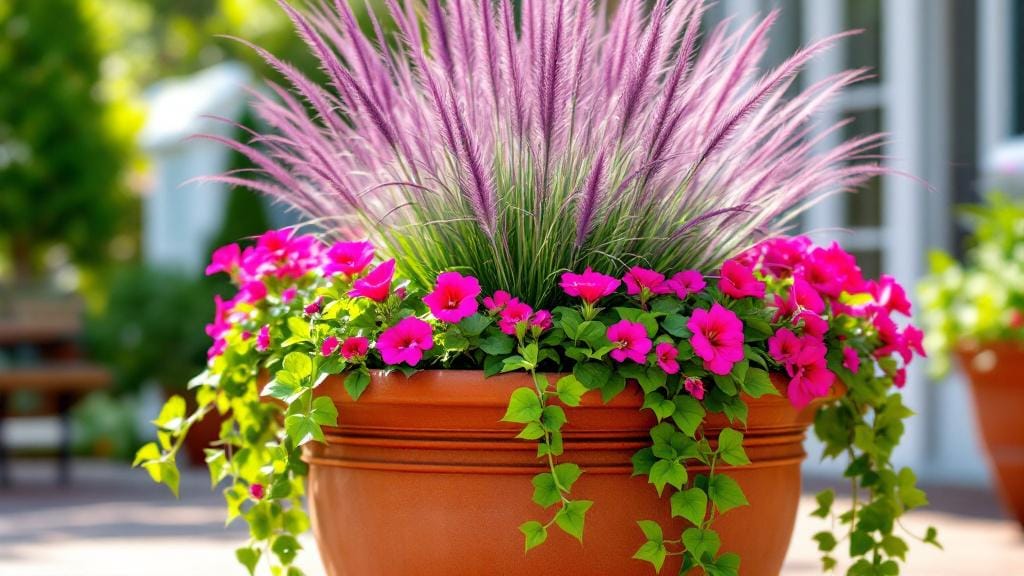
When creating mixed arrangements, use the “thriller, filler, spiller” design concept:
- Thriller: The tall, attention-grabbing plant in the center or back (like grass, dracaena, or dwarf shrub).
- Filler: Mid-height plants that provide color and body (like petunias, coleus, or begonias).
- Spiller: Trailing plants that cascade over the edge (like ivy, vinca, or calibrachoa).
Additional design tips:
- Stick to a cohesive color palette for harmony.
- Group plants with similar water and sunlight needs.
- Use quality potting soil and add slow-release fertilizer for sustained growth.
- Check containers daily for water, especially in hot weather.
8. Low-Maintenance Options for Busy Gardeners
If you want lasting results with minimal upkeep, focus on tough, drought-tolerant plants:
- Succulents and Sedums: Require very little watering.
- Geraniums and Lantana: Bloom continuously with little attention.
- Herbs like rosemary and thyme: Thrive in hot, dry planters.
- Evergreens: Provide year-round structure with minimal pruning.
Mulching the soil surface with small pebbles or bark helps retain moisture and reduce weeds.
9. Bringing It All Together
Choosing the best plants for outdoor planters is part art and part science. Think of your container as a mini landscape—balance color, height, texture, and seasonality. Mix flowers that bloom at different times with foliage that remains attractive year-round. Consider your regional climate, available sunlight, and personal style.
A well-designed outdoor planter does more than beautify your space; it also supports pollinators, creates a welcoming atmosphere, and connects you to the rhythm of nature. Whether you prefer a sun-drenched pot of vibrant petunias or a cool, shady fern arrangement, the possibilities are endless. With thoughtful plant choices and consistent care, your planters will stay lush, colorful, and thriving all year long.