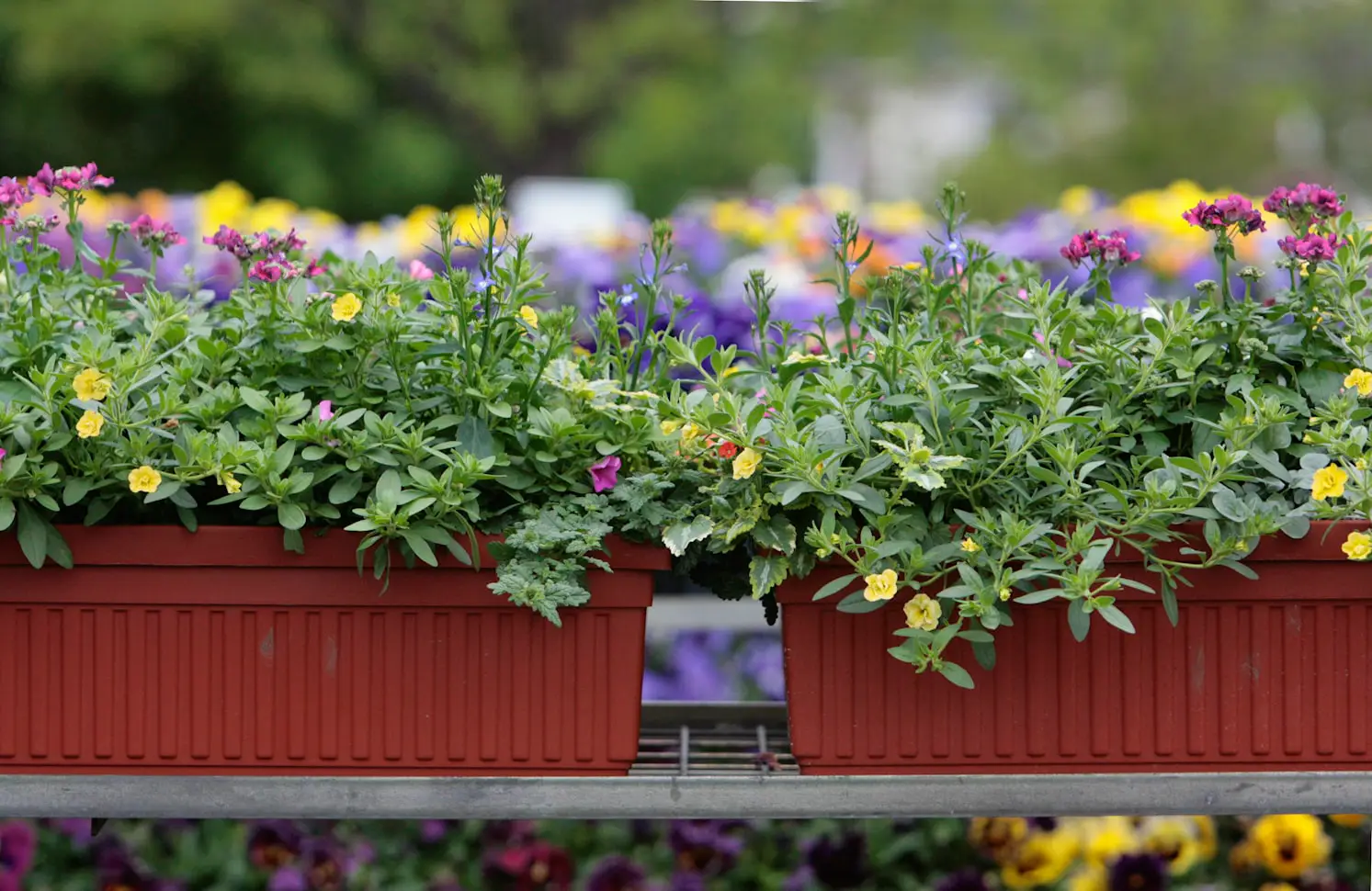

Container gardening is a wonderful way to enjoy greenery and flowers in small spaces, patios, balconies, or urban environments. One of the advantages of using containers is that you can bring perennials—plants that live for multiple years—closer to your home, creating dynamic seasonal displays with minimal effort. Unlike annuals, which complete their life cycle in a single season, perennials return year after year, providing long-term beauty and stability to your container garden. Choosing the right perennials for containers, however, requires careful consideration of size, growth habit, climate adaptability, and maintenance.
Why Choose Perennials for Containers?
Perennials in containers offer several advantages:
- Longevity: Unlike annuals, perennials continue growing year after year, reducing the need to replant each season.
- Low Maintenance: Once established, many perennials are hardy and require less frequent watering and fertilizing.
- Structure and Interest: Tall perennials or those with unique foliage add vertical interest and texture to container arrangements.
- Versatility: Perennials can be combined with annuals or other perennials to create mixed containers that bloom across seasons.
- Cost Efficiency: Although initial costs may be higher than annuals, perennials can last for many years, making them economical in the long term.
Key Considerations When Choosing Perennials for Containers
Not all perennials thrive in containers. When selecting, consider the following:
1. Container Size
- Deep-rooted perennials like certain shrubs or ornamental grasses require larger, deeper containers.
- Smaller perennials, such as dwarf herbs or compact flowers, do well in shallow containers.
- Ensure the container is large enough to accommodate growth over multiple seasons.
2. Sunlight and Climate
- Assess the light exposure of your container location: full sun, partial sun, or shade.
- Choose plants adapted to your climate zone; container plants can sometimes be moved to protect from extreme temperatures.
3. Growth Habit
- Some perennials spread aggressively and may need containment to prevent overcrowding.
- Others are upright or clumping and remain tidy without constant pruning.
4. Water and Soil Requirements
- Container soils dry out faster than garden beds. Choose perennials that can tolerate occasional dryness or ensure frequent watering.
- Well-draining potting soil is essential to prevent root rot.
5. Seasonal Interest
- Select a mix of perennials for flowers, foliage color, and texture.
- Consider bloom time so your container remains attractive across seasons.
Best Perennial Plants for Containers
Here’s a selection of globally adaptable perennial plants suitable for container gardening. They are grouped by type for easier planning.
1. Flowering Perennials
These perennials bring color and fragrance to containers year after year.
- Lavender (Lavandula spp.): Aromatic, drought-tolerant, and great for sunny spots. Lavender attracts pollinators and pairs well with smaller flowering annuals.
- Echinacea (Coneflower): Long-blooming, hardy, and deer-resistant. It thrives in full sun and adds vertical height.
- Coreopsis: Produces bright yellow flowers for extended periods. Compact varieties are ideal for smaller containers.
- Heuchera (Coral Bells): Known for colorful foliage in shades of burgundy, lime, and bronze. Flower spikes add seasonal interest.
- Salvia: Heat-tolerant and attracts hummingbirds. Available in a range of sizes for medium to large containers.
2. Foliage Perennials
Foliage perennials provide texture and year-round interest even when not flowering.
- Hosta: Shade-loving plants with attractive leaves. Available in miniature varieties suitable for small containers.
- Ferns: Offer lush, feathery foliage. Ideal for shady patios or balconies.
- Grasses (e.g., Festuca, Carex, Pennisetum): Ornamental grasses bring movement and texture. They grow well in containers and can be mixed with flowering perennials.
- Heuchera: Foliage varieties provide striking color and can brighten partially shaded areas.
3. Small Shrubs and Woody Perennials
These add structure and a long-term presence to containers.
- Boxwood (Buxus spp.): Evergreen and compact, suitable for formal container arrangements.
- Dwarf Hydrangea: Flowering shrubs that remain manageable in pots.
- Dwarf Japanese Maple (Acer palmatum): Adds seasonal foliage color and elegant form.
- Pieris (Andromeda): Evergreen shrub with colorful young leaves and spring flowers.
4. Edible Perennials
Container gardening can also provide fresh, long-term edible plants.
- Rosemary: Fragrant, drought-tolerant, and evergreen. Can be shaped and pruned for container growth.
- Thyme: Low-growing, hardy, and spreads gently. Perfect for mixed container plantings.
- Chives: Compact, with attractive purple flowers. Leaves are edible and aromatic.
- Strawberries (Perennial Varieties): While technically short-lived perennials, they produce fruits for multiple seasons in containers.
5. Climbers and Trailing Perennials
For vertical interest or cascading effects, consider trailing or climbing plants.
- Clematis: Many varieties bloom repeatedly and can be trained on trellises attached to containers.
- Ivy (Hedera spp.): Evergreen trailing plant that adds greenery year-round.
- Sweet Potato Vine (Ipomoea batatas): Ornamental foliage with vibrant colors; excellent for cascading over container edges.
Tips for Successful Container Perennials
1. Use High-Quality Potting Mix
A light, well-draining potting soil is essential. Avoid garden soil, which can compact and hinder root growth.
2. Fertilize Regularly
Containers deplete nutrients faster than garden beds. Use slow-release fertilizers or feed liquid nutrients during the growing season.
3. Prune and Deadhead
Pruning encourages new growth and maintains plant size. Deadheading spent flowers can prolong blooming.
4. Repot When Needed
Perennials can outgrow containers. Repot or divide every 2–3 years to refresh soil and maintain plant health.
5. Monitor Watering
Containers dry quickly, especially in sunny or windy conditions. Water consistently, allowing the soil to remain moist but not soggy.
6. Seasonal Protection
In colder climates, container perennials may need protection over winter. Move pots to sheltered locations or insulate with mulch, bubble wrap, or frost cloth.
Designing Containers with Perennials
- Thriller-Filler-Spiller Concept: Place a tall or upright plant (“thriller”) in the center, medium-sized filler plants around it, and trailing “spiller” plants along the edges.
- Color Harmony: Combine perennials with complementary foliage and flower colors.
- Texture Variety: Mix fine, medium, and bold-textured foliage for visual interest.
- Seasonal Interest: Include plants that bloom at different times or have evergreen foliage to ensure the container looks attractive year-round.
Perennials are an excellent choice for container gardens because they provide long-lasting beauty, structure, and low-maintenance appeal. By carefully selecting plants based on container size, sunlight, water requirements, and seasonal interest, you can create stunning container displays that flourish year after year.
Whether you prefer flowering plants, foliage-focused specimens, small shrubs, edible herbs, or climbers, there is a perennial to suit nearly every container and location. With proper soil, fertilization, pruning, and occasional repotting, container perennials can transform your outdoor or indoor space into a vibrant, ever-changing garden that delights throughout the seasons.


