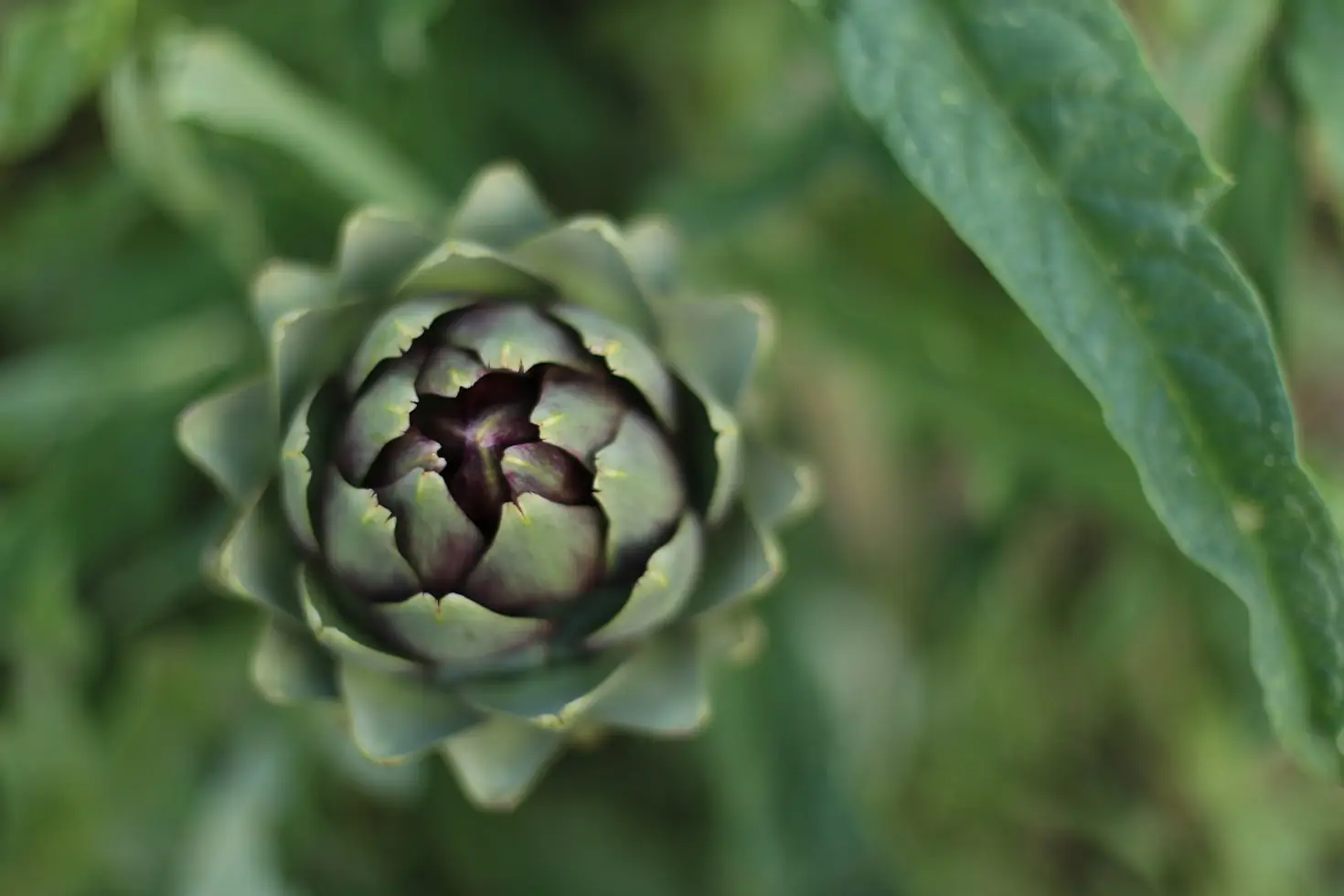

In a world increasingly aware of environmental and health concerns, Agriculture Biologique—commonly known as organic farming—has emerged as a sustainable alternative to conventional agriculture. Focused on natural processes and biodiversity, this biologique approach avoids synthetic chemicals, promoting healthier soil and food. As consumers grow more conscious of what they eat, the demand for organic products is surging globally. Agriculture Biologique supports ecological balance, animal welfare, and long-term food security. This article explores the benefits, challenges, and future of this green revolution and why it’s gaining momentum in modern farming practices across the world.
What Is Agriculture Biologique and Why Is It Taking Over the Farming World?
Agriculture Biologique is a method of farming that emphasizes natural inputs, crop rotation, and soil health. Unlike industrial farming, it avoids synthetic fertilizers, pesticides, and genetically modified organisms (GMOs). This biologique method restores balance to ecosystems while producing nutrient-rich food. The reason it’s becoming globally popular is clear: consumers want transparency, sustainability, and health. Governments are also encouraging organic practices to reduce environmental degradation. From Europe to North America, Agriculture Biologique is seen not just as a trend, but a fundamental shift in how we grow our food. It offers both ethical and ecological benefits for future generations.
From Soil to Soul: How Organic Farming Impacts Your Health
The impact of Agriculture Biologique extends beyond the field—it reaches our plates and ultimately, our health. Organic produce grown using biologique methods is free from harmful pesticides and synthetic additives. Studies suggest these foods may contain higher levels of antioxidants, vitamins, and essential minerals. Furthermore, avoiding chemical residues reduces the risk of long-term health issues, including hormone disruption and cancer. When we consume organically grown food, we nourish not only our bodies but also support a farming system that values purity, sustainability, and animal welfare. In essence, Agriculture Biologique offers a direct path to healthier living.
The Shocking Truth About Chemicals in Conventional Farming
Conventional farming relies heavily on chemical pesticides, herbicides, and fertilizers. While they may boost short-term yields, these substances contaminate soil, water, and even the food we consume. Agriculture Biologique eliminates these risks by using natural alternatives such as compost, crop rotation, and biological pest control. Exposure to synthetic chemicals has been linked to a variety of health concerns, including respiratory problems, neurological disorders, and even cancer. Moreover, these chemicals degrade the soil over time, reducing its fertility. Choosing biologique farming protects both human health and the environment, making it a responsible and necessary shift in modern agriculture.
Agriculture Biologique vs. Industrial Farming: Who Wins?
Industrial farming is efficient in output but comes at a significant environmental and ethical cost. It depends on monocultures, synthetic inputs, and intensive resource use. In contrast, Agriculture Biologique offers a holistic approach focused on sustainability, biodiversity, and soil health. While it may yield slightly less per acre, the long-term benefits—reduced pollution, healthier ecosystems, and improved animal welfare—make biologique farming the more sustainable option. Consumers today are increasingly valuing quality over quantity. As climate change and health crises escalate, the case for Agriculture Biologique grows stronger, positioning it as the clear winner in the battle for the future of food.
Can Organic Farming Really Feed the World?
One common criticism of Agriculture Biologique is that it can’t produce enough to feed a growing global population. However, this belief overlooks the inefficiencies and waste in conventional systems. Organic methods, when combined with modern agroecological practices, can be both productive and sustainable. Studies show that biologique farming can yield competitive outputs, especially in the long term as soil health improves. Moreover, reducing food waste, shifting dietary habits, and supporting small-scale organic farms can help meet global food needs. Feeding the world isn’t just about quantity—it’s about quality, sustainability, and equity, all of which Agriculture Biologique addresses.
How Agriculture Biologique Helps Fight Climate Change
Agriculture Biologique plays a crucial role in the fight against climate change. Organic farms use fewer fossil fuel-based inputs and focus on building healthy, carbon-rich soil that sequesters atmospheric carbon. Unlike conventional farming, which often releases greenhouse gases through synthetic fertilizers and tillage, biologique practices minimize emissions and enhance biodiversity. Techniques like composting, cover cropping, and rotational grazing contribute to more resilient ecosystems. As climate change accelerates, the need for sustainable farming solutions becomes urgent. Agriculture Biologique stands out as a practical, nature-based approach that aligns food production with environmental conservation and climate mitigation.
The Role of Farmers in the Organic Revolution
Farmers are the backbone of the Agriculture Biologique movement. By adopting organic techniques, they are not only preserving the environment but also improving the quality of life for their communities. Transitioning to biologique farming requires education, investment, and support—but many farmers find it rewarding. They build healthier soils, reduce exposure to toxic chemicals, and often see improved yields over time. Moreover, organic farmers are stewards of biodiversity, growing a variety of crops and raising animals more humanely. Their role in reshaping agriculture is vital, proving that with the right practices, farming can be both profitable and planet-friendly.
Why More Consumers Are Demanding Agriculture Biologique Products
Today’s consumers are more informed and health-conscious than ever before. The rising demand for Agriculture Biologique products reflects growing concerns about food safety, nutrition, and sustainability. People are willing to pay more for food that is free from synthetic chemicals and genetically modified organisms. Additionally, biologique products are often perceived as tastier and fresher. This shift in consumer preference is driving supermarkets, restaurants, and even governments to promote organic options. As awareness spreads, the organic market continues to grow, empowering farmers and supporting a food system rooted in ethics, transparency, and environmental responsibility.
Is Agriculture Biologique Worth the Cost? A Deep Dive
Organic products often come with a higher price tag—but are they worth it? Agriculture Biologique involves more labor, careful planning, and certification processes, which can drive up costs. However, the benefits—healthier food, improved soil, and reduced environmental impact—offer long-term value. Consumers paying for biologique goods are investing in a cleaner planet and safer food supply. Moreover, as demand increases and supply chains evolve, prices are gradually becoming more competitive. When you consider the hidden costs of conventional farming—pollution, health care, and degraded ecosystems—the case for Agriculture Biologique becomes economically and ethically compelling.
The Future of Farming: Will Everything Be Organic?
As global awareness of climate issues, food quality, and health grows, the future of farming is likely to lean heavily toward Agriculture Biologique. Technological innovations, policy support, and consumer demand are accelerating this shift. While not every farm will be 100% biologique, the integration of organic principles is becoming mainstream. Hybrid approaches that combine the best of traditional knowledge and modern science are emerging. The journey toward sustainable agriculture is ongoing, but one thing is clear: Agriculture Biologique is not a passing trend—it’s a blueprint for the future of food, farming, and the planet.


