


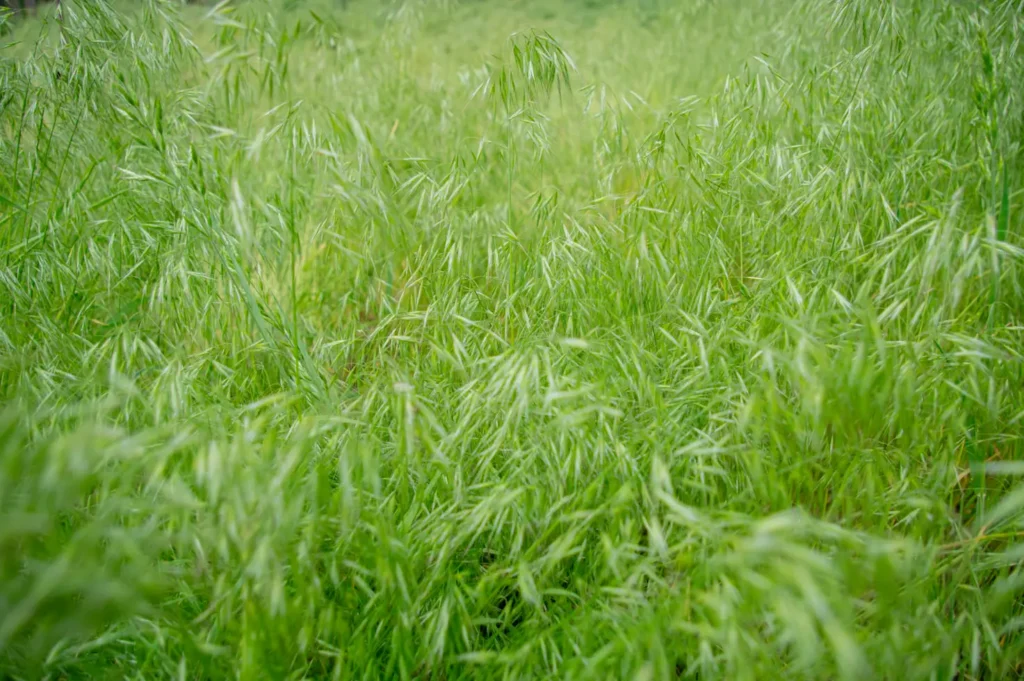
In the lush, waterlogged corners of our planet where rivers overflow, ponds shimmer, and marshlands breathe, you’ll often find tall grasses swaying in the breeze. These water-loving plants are more than just part of the scenery; they play crucial roles in stabilizing soil, filtering water, providing wildlife habitat, and even shaping entire ecosystems.
When people think of “a tall grass that grows in wet areas,” species like cattails, reed canary grass, bulrushes, and giant reed often come to mind. Each of these grasses thrives in saturated soils where most plants would drown. But beyond their striking height and adaptability, they hold ecological, aesthetic, and practical value for both wild and human-managed landscapes.
In this article, we’ll explore the biology, habitat, importance, and uses of these tall wetland grasses and how you can incorporate them into your own landscape or restoration project.
Understanding Wetland Grasses
Wetland grasses are a diverse group of plants adapted to environments with standing water, high humidity, and periodically flooded soils. These conditions, which can suffocate typical garden plants, are ideal for species with specialized root systems that transport oxygen and tolerate prolonged submersion.
These plants are masters of survival in deep, waterlogged environments. To better understand these habitats, you might wonder how deep is a bog and how its mysterious depths support such specialized life.
Tall wetland grasses commonly reach heights between 3 to 10 feet, depending on the species and conditions. Their structure and growth habits make them ideal for preventing erosion, filtering nutrients, and providing cover for wildlife such as frogs, ducks, and red-winged blackbirds.
Some of the most recognized tall grasses that thrive in wet areas include:
- Cattails (Typha spp.)
- Reed Canary Grass (Phalaris arundinacea)
- Common Reed or Phragmites (Phragmites australis)
- Bulrushes (Schoenoplectus spp.)
- Giant Reed (Arundo donax)
Let’s take a closer look at these remarkable species.
1. Cattails (Typha species)
Appearance and Growth
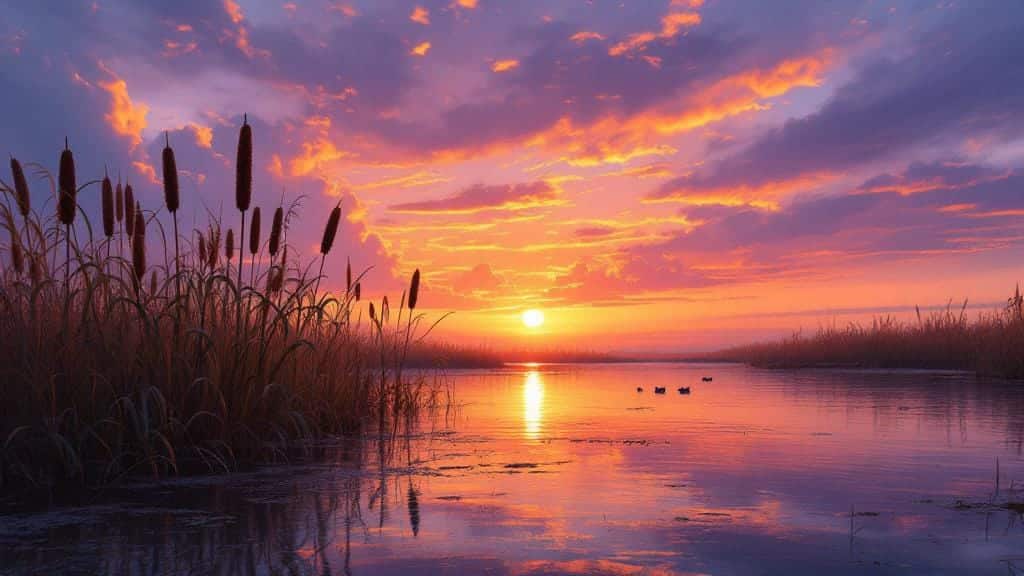
Cattails are perhaps the most iconic of all wetland grasses. They’re recognized by their tall, slender green leaves and distinctive brown, sausage-shaped flower spikes that appear in late summer. Typically, cattails grow between 5 and 10 feet tall, forming dense colonies along pond edges, marshes, and ditches.
Habitat
They thrive in shallow standing water or saturated soils, tolerating fluctuating water levels. Cattails can often be found in wetlands, lakeshores, and slow-moving streams.
Ecological Role
Cattails are ecological powerhouses:
- They stabilize shorelines, preventing erosion.
- Their dense root mats filter pollutants and absorb excess nutrients from runoff.
- They offer nesting sites and shelter for many birds and aquatic animals.
Human Uses
Historically, cattails have been incredibly useful to people. Indigenous communities used their leaves for weaving mats and baskets, the fluffy seed heads for insulation, and even their young shoots as food. Today, cattails are also used in constructed wetlands to help purify wastewater naturally.
2. Reed Canary Grass (Phalaris arundinacea)
Appearance and Growth
Reed canary grass is a robust, perennial grass that grows 3 to 6 feet tall with broad, flat leaves and dense seed heads. It spreads aggressively through both seeds and rhizomes, forming thick stands that can dominate wetlands.
Habitat
This grass thrives in moist to wet soils, especially in ditches, stream banks, floodplains, and low pastures. It tolerates periodic flooding and fluctuating water levels, making it ideal for restoration or erosion control, though it can sometimes become invasive.
Ecological Role
Reed canary grass helps stabilize wet soils, but because of its aggressive growth, it can crowd out native species. However, it still provides cover for wildlife and is valuable as forage for livestock in managed areas.
Management Note
While useful, reed canary grass must be monitored. In North America, it’s considered invasive in many regions, displacing native wetland plants like sedges and rushes. Careful planting and containment are essential for ecological balance.
3. Common Reed (Phragmites australis)
Appearance and Growth
Few wetland plants are as towering and dramatic as the common reed. This giant grass can reach up to 15 feet in height, with feathery plumes that wave gracefully in the wind. Its hollow stems and long, sharp leaves give it a bamboo-like appearance.
Habitat
Common reeds grow in marshes, tidal wetlands, ditches, and along riverbanks. They prefer fresh to brackish water and tolerate flooding remarkably well.
Ecological Role
Phragmites plays a dual role:
- Positive: It stabilizes soil, filters pollutants, and provides nesting sites for birds.
- Negative: Invasive strains (especially in North America) can outcompete native vegetation, reducing biodiversity.
Uses
In traditional cultures, Phragmites reeds were used for thatching roofs, making mats, and crafting arrows. Modern applications include bioenergy production, erosion control, and wastewater treatment.

4. Bulrushes (Schoenoplectus and Scirpus species)
Appearance and Growth
Bulrushes aren’t true grasses, but they are grass-like plants that thrive in wetlands and can reach heights of 4 to 10 feet. They have round or triangular stems, lack prominent leaves, and produce clusters of brownish flowers near their tips.
Habitat
Bulrushes grow in shallow water or saturated soils, often forming dense colonies along lake edges, ponds, and marshes. They prefer full sun and nutrient-rich conditions.
Ecological Role
Bulrushes are essential for wetland health:
- They provide spawning grounds for fish and habitat for waterfowl.
- Their dense roots filter sediments and pollutants, improving water quality.
- They help reduce wave energy, preventing shoreline erosion.
Uses
Historically, bulrushes were used for weaving baskets, mats, and even boat materials. Today, they’re key components in wetland restoration and stormwater management projects due to their filtration abilities.
5. Giant Reed (Arundo donax)
Appearance and Growth
The giant reed, native to Asia and the Mediterranean, is one of the tallest grasses in wet areas, often reaching 15 to 20 feet. It resembles bamboo, with tall, hollow stems and long, arching leaves.
Habitat
Giant reed thrives in riverbanks, irrigation ditches, and wetlands, especially in warm climates. It prefers moist, sandy soils and can withstand both flooding and drought once established.
Ecological Role
While giant reed stabilizes soil and can be used for biofuel production, it’s considered highly invasive in many regions, particularly in the southern United States. It spreads rapidly and forms dense thickets that crowd out native vegetation.
Uses
Despite its invasiveness, giant reed has long been valued for making musical instruments (like flutes and reeds for woodwinds), bioenergy production, and erosion control.
The Ecological Importance of Tall Wetland Grasses
Wetland grasses are more than simple plants; they’re the backbone of aquatic ecosystems. Here’s why they matter:
- Erosion Control: Their extensive root systems anchor soil, reducing erosion along shorelines and riverbanks.
- Water Filtration: Wetland grasses absorb excess nutrients like nitrogen and phosphorus, filtering pollutants from runoff before they reach open water.
- Wildlife Habitat: They provide food, shelter, and nesting grounds for fish, birds, amphibians, and insects.
- Flood Mitigation: Wetlands act like natural sponges, absorbing floodwaters and releasing them slowly.
- Carbon Sequestration: Wetland plants store significant amounts of carbon in their roots and surrounding soils, helping combat climate change.
Beyond just being plants, these grasses are the structural pillars of our environment. The broader importance of wetland ecosystems cannot be overstated, as they act as the planet’s natural kidneys.
Planting and Managing Tall Grasses in Wet Areas
If you’re planning to restore a wetland or beautify a pond edge, selecting the right tall grass is crucial. Here are some best practices:
- Choose Native Species: Native wetland grasses are adapted to local conditions and support native wildlife.
- Control Invasive Varieties: Avoid planting invasive species like Arundo donax or aggressive Phragmites strains.
- Plant in Late Spring: When the soil is warm and moisture levels are high, grasses establish faster.
- Provide Space: Allow at least 2 to 3 feet between clumps for spreading and healthy root development.
- Monitor Growth: Remove dead stalks and manage encroachment to maintain diversity.
For smaller garden ponds or rain gardens, compact species of cattails or bulrushes can provide the same wetland benefits on a manageable scale.
When you picture tall grass growing in a wet area, think beyond the simple image of green blades reaching toward the sky. These plants are ecological engineers, shaping landscapes, purifying water, and supporting entire communities of wildlife.
From the graceful cattail standing sentinel along a pond’s edge to the towering common reed whispering in a coastal marsh, each species plays a vital role in the health of our wetlands. Whether you’re restoring a natural ecosystem, designing a rain garden, or simply curious about the plants that thrive where land meets water, understanding these tall, water-loving grasses helps you appreciate one of nature’s most resilient and important groups of plants.