

If you love cooking, growing your own herbs is one of the easiest ways to elevate every meal. The best herbs to grow for cooking offer not only unmatched freshness but also convenience and flavor. Whether you have a large garden or a small kitchen windowsill, there are plenty of herbs to grow for cooking all year round. In this guide, we’ll explore the best herbs that every home cook should consider growing. Fresh herbs add vibrant color, fragrance, and taste to your dishes right from your garden to your plate.
Basil: The King of Fresh Flavor in Every Dish
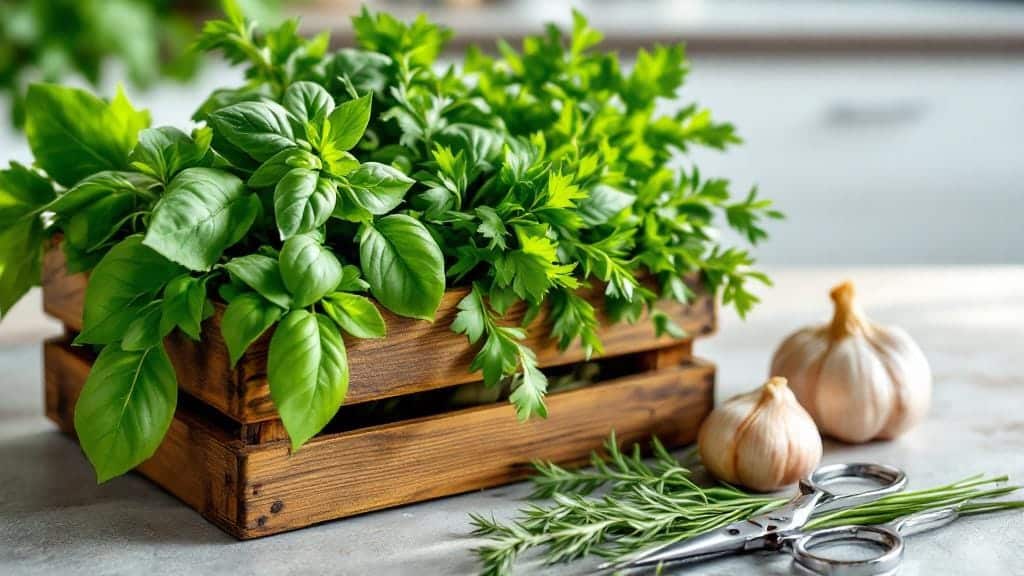
Basil is one of the best herbs to grow, especially for those who enjoy Italian, Thai, or Mediterranean cuisine. Its sweet, slightly spicy leaves are perfect in sauces, pesto, and fresh salads. Basil thrives in warm weather and needs plenty of sunlight and water. It grows well in pots or garden beds and benefits from regular harvesting, which encourages fuller growth. Among the best herbs to grow, basil stands out for its bold flavor and versatility. For the freshest taste, pick leaves just before using them in cooking. Grow basil indoors during colder months for year-round use.
Why Parsley Deserves a Spot in Every Herb Garden
Parsley may be underrated, but it’s one of the best herbs to grow for cooking thanks to its fresh, clean flavor and nutritional value. Flat-leaf (Italian) parsley is preferred for cooking, while curly parsley is often used as a garnish. This herb is a staple in soups, stews, salads, and sauces. Parsley is easy to grow in both containers and garden plots and prefers full sun with well-drained soil. Its bright green leaves can be harvested regularly to keep the plant productive. For a continuous supply, sow parsley every few weeks. It’s a reliable herb with year-round culinary appeal.
Thyme: Small Leaves, Big Culinary Impact
Thyme is a low-maintenance, aromatic herb with tiny leaves and intense flavor. It’s among the best herbs to grow for meat dishes, soups, and stews. This perennial herb is drought-tolerant and thrives in full sun with well-drained soil. Fresh or dried, thyme holds its flavor exceptionally well, making it a staple in any kitchen. Add it early in cooking to infuse flavor throughout the dish. Thyme’s small size makes it ideal for container gardens or as ground cover in outdoor beds. As one of the top herbs to grow for cooking, thyme is both practical and flavorful.
Grow Rosemary for Roasts, Breads & Aromatic Magic
Rosemary is a robust, evergreen herb that delivers bold, pine-like flavor to meats, breads, and roasted vegetables. It’s one of the best herbs to grow due to its hardy nature and rich aroma. Rosemary prefers full sun and well-draining soil, and it’s drought-resistant once established. Snip fresh sprigs as needed; their flavor remains potent even when dried. This herb doubles as a fragrant ornamental plant, making it both functional and attractive. For those who love Mediterranean-style dishes, rosemary is an essential addition to your herb garden. Its versatility and strong flavor earn it a spot among the best herbs.
Mint Isn’t Just for Tea: Try It in Savory Recipes
Mint is commonly associated with tea and desserts, but it’s also a refreshing addition to savory dishes like tabbouleh, lamb, and spring rolls. As one of the easiest herbs to grow for cooking, mint thrives in partial shade and moist soil. However, it spreads quickly, so it’s best grown in containers to keep it contained. Regular harvesting encourages bushier growth and prevents flowering, which can reduce flavor. Mint’s bright, cooling taste makes it a unique option in your herb collection. Whether you grow spearmint or peppermint, it’s undeniably one of the best herbs for flavor and versatility.
Oregano: The Must-Have Herb for Italian & Mediterranean Dishes
Oregano is a classic choice among the best herbs to grow for cooking, especially for Italian, Greek, and Mexican cuisines. Its bold, earthy flavor pairs beautifully with tomato-based dishes, meats, and grilled vegetables. This perennial herb thrives in full sun and dry soil and is easy to maintain. Oregano can be used fresh or dried, with dried leaves offering even more concentrated flavor. It’s a top contender among the best herbs because it’s not only flavorful but also hardy and low-maintenance. Grow oregano in pots or directly in your garden to enjoy its rich aroma all season long.
Chives: Mild Onion Flavor Straight from Your Garden
Chives bring a delicate onion flavor that enhances salads, eggs, soups, and baked potatoes. As one of the most versatile herbs to grow for cooking, chives are simple to grow and require minimal care. They thrive in full sun but tolerate partial shade and can be grown in containers or garden beds. Their purple flowers are also edible and make a beautiful garnish. Chives are perennials in many climates, returning each spring. Among the best herbs to grow, chives are prized for their subtle flavor and attractive appearance. Snip them fresh for the most vibrant taste in your dishes.
Cilantro: A Bold Herb for Salsa, Curries & More
Cilantro is a bold, citrusy herb used in Mexican, Indian, and Asian cuisines. It’s one of the most flavorful herbs to grow for cooking, perfect for salsas, curries, and chutneys. Cilantro prefers cooler weather and partial sun, making it ideal for spring and fall gardens. It grows quickly but bolts (flowers) in hot weather, so succession planting ensures a steady supply. Both leaves (cilantro) and seeds (coriander) are edible, offering two spices from one plant. Fresh cilantro leaves are best used raw or added at the end of cooking to preserve flavor. It’s easily one of the best herbs for adventurous cooks.
Sage: Earthy, Fragrant, and Perfect for Fall Meals
Sage has a strong, earthy flavor that shines in rich dishes like stuffing, roasted poultry, and butternut squash. It’s one of the top herbs to grow for cooking in colder months due to its robust flavor and hardiness. Sage is a perennial in many regions and thrives in full sun with well-drained soil. The silvery-green leaves are beautiful and aromatic, even when dried. Harvest sparingly during the first year to allow the plant to establish. Among the best herbs, sage adds depth to fall and winter meals and deserves a permanent place in your culinary garden.
How to Grow & Store the Best Cooking Herbs Year-Round
Growing the best herbs to grow for cooking year-round requires a bit of planning, but is incredibly rewarding. Use pots for mobility, allowing you to move herbs indoors during cold weather. Choose quality soil, provide adequate sunlight, and water consistently. Regular harvesting promotes growth and prevents herbs from going to seed. Drying and freezing are excellent ways to store herbs to grow for cooking, ensuring fresh flavor even in winter. Label and date stored herbs to keep your kitchen organized. Whether fresh or preserved, having the best herbs on hand enhances every dish you prepare throughout the year.
Basil and other favorites thrive in small spaces if given the right care. If you’re short on outdoor space, learn how to pot herbs like a pro to keep a fresh supply right on your windowsill.


