

If you’re wondering what to grow in a raised garden bed, the good news is almost anything! A raised garden bed offers improved soil control, drainage, and accessibility, making it ideal for a variety of plants. From leafy greens to root vegetables and even compact fruits, the options are endless. Whether you’re a beginner or a seasoned gardener, knowing what to grow in a raised garden bed will help you make the most of your space. This guide will walk you through high-yield crops, smart plant combinations, and seasonal planting strategies for success.
Leafy Greens That Absolutely Thrive in Raised Garden Beds
Leafy greens are among the easiest plants to grow in a raised garden bed, thanks to their shallow roots and fast-growing nature. Spinach, lettuce, kale, and arugula flourish in the loose, well-drained soil of raised beds. These greens enjoy the cool temperatures of early spring and fall, and they benefit from close planting, which helps conserve moisture and suppress weeds. Harvesting can begin just weeks after planting, making leafy greens a rewarding first choice. Raised beds also allow for succession planting, so you can enjoy multiple harvests from a single growing season.
Why Root Vegetables Love Raised Garden Beds
Root vegetables such as carrots, beets, radishes, and turnips thrive in raised garden beds because of the improved soil structure. These crops require deep, loose soil to grow properly, conditions that are hard to find in compacted ground but are easily achieved in raised beds. You can control the soil depth and eliminate rocks or debris that often hinder root development. In addition, raised beds warm up faster in spring, allowing for earlier planting. If you’re deciding what to grow in a raised garden bed for a nutritious harvest, root crops are a smart, easy choice.
The Best Herbs to Grow in a Raised Garden Bed Year-Round
Herbs are a low-maintenance and high-reward addition to any raised garden bed. Basil, thyme, oregano, parsley, chives, and mint are great choices that grow well in compact spaces and shallow soil. Raised beds allow for excellent drainage, which is especially important for Mediterranean herbs. Planting herbs near vegetables can also support pest control and improve pollination. Many herbs are perennial, so once planted, they can return year after year with minimal effort. For gardeners looking to grow in a raised garden bed without constant replanting, herbs are a flavorful and efficient solution.
Space-Saving Fruits to Grow in Small Raised Beds
Even in small raised garden beds, certain fruits can flourish beautifully. Strawberries are perfect for raised beds, offering sweet rewards with minimal space requirements. Dwarf varieties of blueberries, bush cherries, or patio tomatoes also adapt well to contained environments. With proper soil pH and sunlight, these fruits can be surprisingly productive. Vertical supports or tiered bed designs can further increase space for vining fruits like melons or cucumbers. If you’re thinking about what to grow in a raised garden bed for variety, space-saving fruits are an excellent way to expand your garden’s flavor and function.
Companion Plants That Boost Growth in Raised Beds
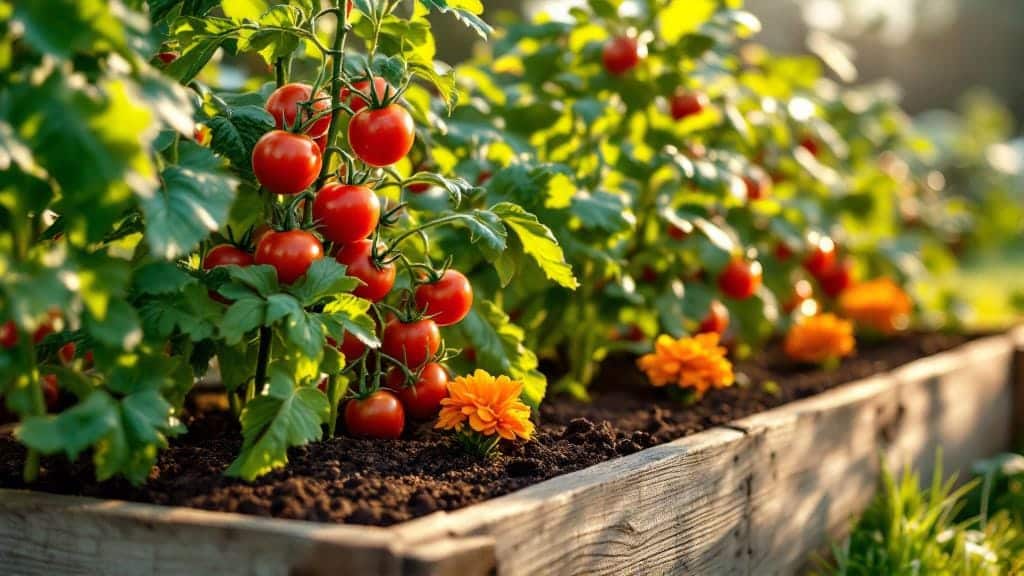
Companion planting is a great strategy to enhance productivity in your raised garden bed. Certain plant combinations help each other grow by improving nutrient uptake, attracting pollinators, or deterring pests. For example, basil pairs well with tomatoes, while carrots and onions protect each other from soil pests. Marigolds are often used in raised beds to naturally repel nematodes and aphids. Knowing what plants work well together can improve your harvest and reduce the need for chemical treatments. When planning what to grow in a raised garden bed, consider companions to make the most of every inch.
Heat-Loving Crops That Perform Well in Raised Beds
Thanks to excellent drainage and fast-warming soil, raised garden beds are ideal for heat-loving crops. Tomatoes, peppers, eggplants, and squash all thrive in warm conditions and benefit from the controlled environment raised beds provide. These plants have deeper roots, so ensure your bed is at least 12–18 inches deep.
For more details on choosing the right size for your plants, see our guide on how deep does a raised garden bed need to be to ensure healthy root development. Adding mulch can help retain moisture and regulate soil temperature during hot spells. If you’re wondering what to grow in a raised garden bed during summer, these crops will give you flavorful, high-yield results and make the most of the season’s warmth.
What Not to Grow in a Raised Garden Bed (and Why)
While you can grow a lot in a raised garden bed, not everything is ideal. Large perennials like corn, asparagus, or rhubarb often require more space and deeper root systems than raised beds can provide. Similarly, sprawling plants like pumpkins or large watermelon varieties may outgrow confined areas unless you have significant space or vertical support. Trees and large shrubs are also unsuitable for raised beds due to their long-term root needs. Understanding what not to grow in a raised garden bed helps you focus your time and space on crops that will truly thrive.
High-Yield Crops Perfect for Raised Garden Bed Beginners
If you’re just getting started, some crops are more forgiving and productive than others. Try planting radishes, bush beans, cucumbers, zucchini, and lettuce, all high-yield and low-maintenance crops. These plants adapt well to the fast-draining and nutrient-rich conditions of a raised garden bed. Many of them grow quickly, offering near-instant gratification and a continuous harvest throughout the growing season. Choosing these beginner-friendly options makes learning what to grow in a raised garden bed enjoyable, successful, and motivating for anyone starting their gardening journey.
Edible Flowers to Brighten Up Your Raised Garden Bed
Edible flowers add color, texture, and taste to your raised garden bed. Nasturtiums, calendula, pansies, and violas are beautiful choices that also serve practical purposes. Many of them attract pollinators, deter pests, and can be used in salads, teas, or desserts. These flowers are compact and easy to grow in a raised garden bed alongside herbs and vegetables. Their vibrant blooms also make your garden more visually appealing. Including edible flowers helps answer the question of what to grow in a raised garden bed if you’re seeking both beauty and function.
Seasonal Planting Guide: What to Grow in Spring, Summer & Fall
Your raised garden bed can be productive all year with the right seasonal planning. In spring, focus on cool-weather crops like spinach, lettuce, and peas. Summer is perfect for heat-loving plants such as tomatoes, cucumbers, and beans. As fall approaches, replant your bed with kale, radishes, and carrots. Seasonal rotation improves soil health and ensures continuous harvests. Knowing what to grow in a raised garden bed during each season keeps your garden active and thriving. With proper timing and care, your raised bed can yield food nearly every month of the year.


