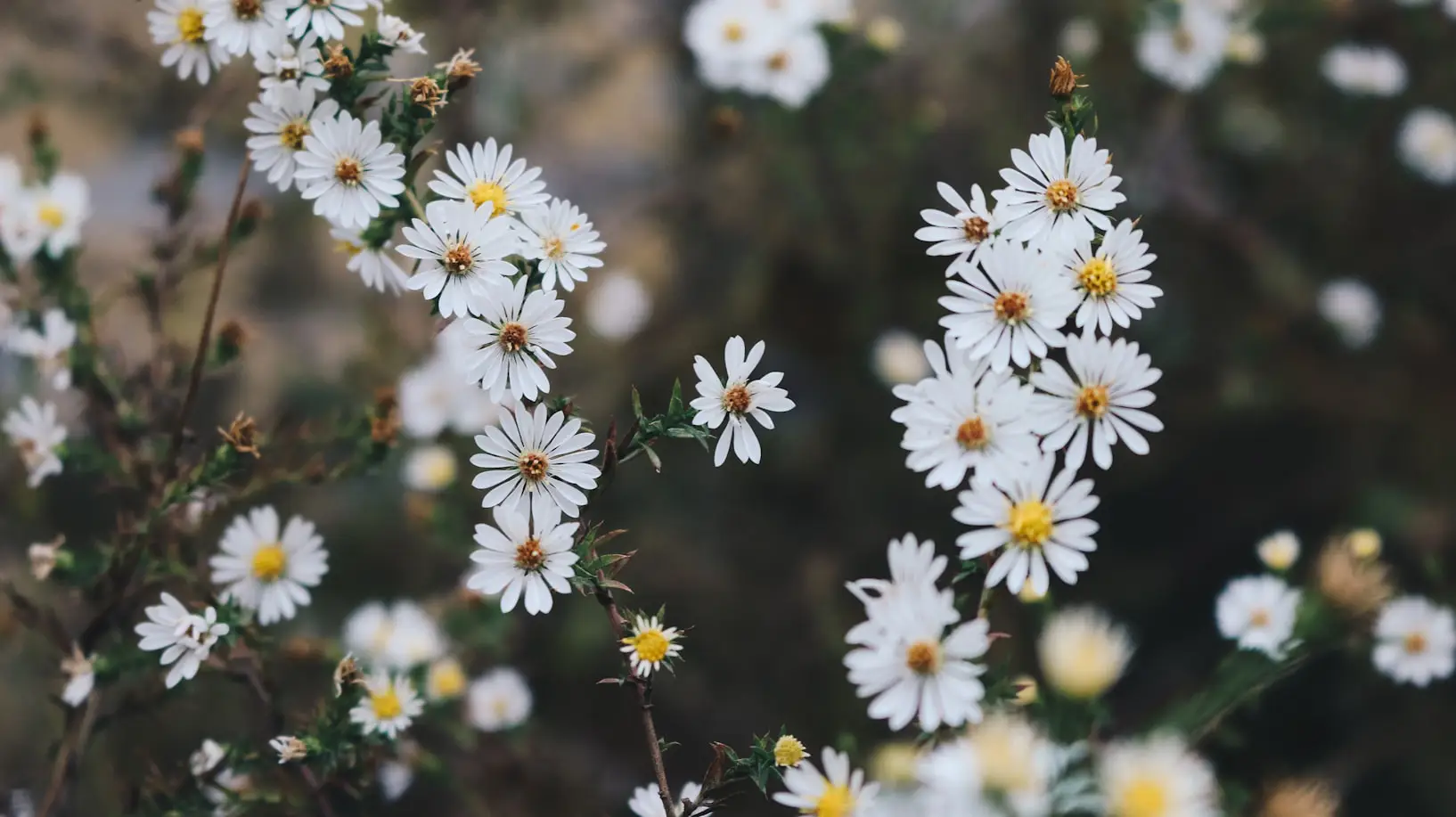

Small flowers are delightful yet powerful additions to any landscape or interior. These petite blooms bring bursts of color and charm to places where larger plants may overwhelm the space. Whether nestled in containers, lining pathways, or gracing a tabletop, small flowers elevate the aesthetic and mood effortlessly. Their compact size makes them adaptable to balconies, windowsills, and small gardens, where every inch counts. With thoughtful selection and placement, small flowers can transform even the tightest spaces into vibrant, joyful oases full of life and beauty.
Why Small Flowers Make a Big Impact in Any Garden
Despite their size, small flowers create notable visual interest and texture in a garden. Their delicate forms draw the eye and invite closer appreciation, often encouraging a sense of intimacy and detail in your landscape. Small flowers can be densely planted, forming colorful carpets or borders that enhance depth and layering. They also complement larger plants, providing contrast and support. Furthermore, clusters of tiny blooms can appear more vibrant and abundant than sparse, larger flowers. In short, small flowers lend charm, layering, and continuous color to gardens, enriching every corner with character.
Best Small Flowers to Brighten Your Home and Balcony
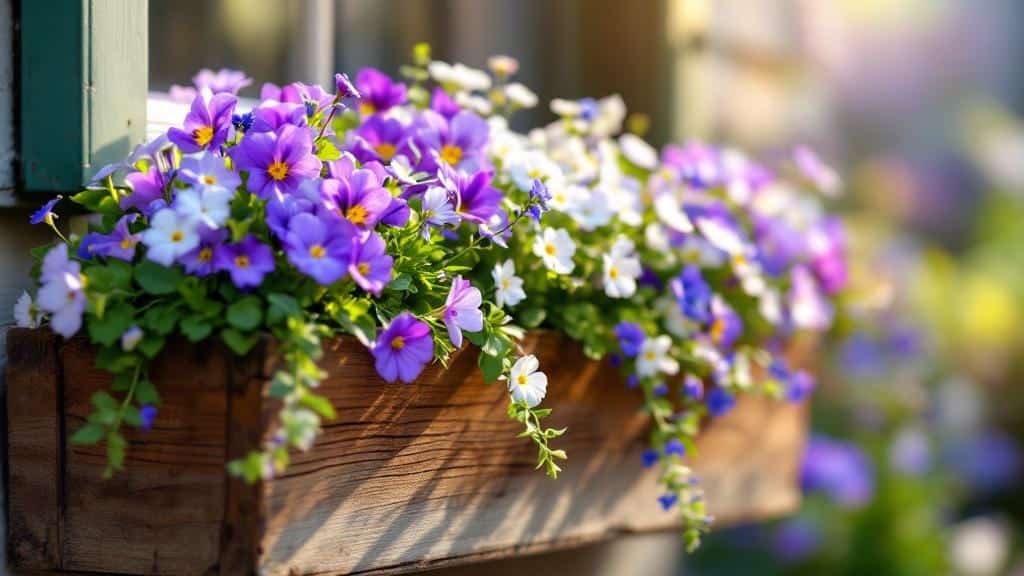
Compact and colorful, small flowers are perfect for adding cheer to indoor and balcony settings. Options like pansies, violas, alyssum, and calibrachoa shine in containers, window boxes, or hanging baskets. Their petite blooms bring radiant color without overwhelming limited areas. Beyond their looks, these flowers often thrive in partial sun and cooler conditions, making them versatile for indoor and covered outdoor spaces. Pair with rich foliage or trailing plants to create immersive displays. Small flowers for your home or balcony bring continuous joy without occupying much space.
How to Grow Small Flowers in Pots or Containers
Growing small flowers in containers is both practical and rewarding. First, choose a container with good drainage to prevent root rot. Use a quality potting mix tailored for potted plants. Select compact flower varieties like lobelia, petunia, or sweet alyssum. Ensure your container receives appropriate sunlight; most small flowers need at least 4–6 hours daily. Regular, light watering keeps the soil moist but not waterlogged. Fertilize periodically to support continuous blooms. Pinching spent flowers encourages re-blooming. Containers with small flowers offer flexibility, beauty, and scene-stealing color in compact forms.
Small Flowers That Bloom Year-Round with Minimal Effort
Some small flowers keep blooming through changing seasons with little care. Hardy varieties like calendula, dianthus, pansies, and sweet alyssum thrive across spring, summer, and fall. They tolerate cooler temperatures and rebloom with regular deadheading. Many of these choices are also low-maintenance, requiring only occasional watering and trimming. By choosing resilient small flowers, you ensure continuous color and minimized upkeep. These blooms make gardening easy and rewarding, giving year-round beauty without constant attention, perfect for busy gardeners or those new to horticulture.
Perfect Small Flowers for Borders, Edging, and Filler
Small flowers excel as borders, edging plants, or space fillers in garden beds. Varieties like lobelia, creeping thyme, and dwarf marigolds create cohesive edges, guiding the eye and softening hard lines. In between larger perennials or shrubs, small flowers like alyssum or sweet rocket fill gaps and add continuous color. Their low height prevents overshadowing neighboring plants while contributing texture. Using small flowers in these strategic spots enhances visual flow, supports structured garden design, and ensures every inch of your outdoor space is purposeful and beautiful.
Small Flowers for Pollinators: Attract Bees and Butterflies
Small flowers are excellent at attracting pollinators like bees, butterflies, and hoverflies. Species such as cosmos, verbena, lavender, and borage produce compact clusters packed with nectar and pollen. These tiny blooms serve as inviting feeding grounds for pollinators, promoting biodiversity and a healthy ecosystem. Planting small flowers near vegetable gardens or fruit trees can help increase pollination and yield. Combining vibrant color with ecological function, these flowers add both beauty and purpose to your garden by supporting nature’s essential visitors.
Drought-Tolerant Small Flowers for Low-Maintenance Gardens
When water is limited, drought-tolerant small flowers provide lasting beauty with minimal irrigation. Varieties like sedum, gazania, portulaca, and creeping thyme flourish in dry, sunny conditions. These hardy plants store moisture in their leaves or tolerate heat and drought effectively. Low watering needs reduce upkeep and lower water usage, making them ideal for eco-friendly and arid-region landscaping. Grouping drought-tolerant small flowers creates resilient, vibrant zones that stay bright and healthy even during dry spells.
How to Combine Small Flowers with Larger Plants for Balance
Combining small flowers with larger companions creates dynamic and balanced garden designs. For example, plant small flowers like alyssum or lobelia around the base of tall grasses or perennials to soften the transition between layers. This approach adds depth and prevents visual gaps. When paired with trailing foliage, small flowers enhance texture and bring contrast. The interplay between sizes ensures that each plant plays a complementary role. Small flowers provide color at ground level, while larger plants add structure and form above.
The interplay between sizes ensures that each plant plays a complementary role. To see how these layers can come together in a larger landscape, explore our guide on how to create a peaceful plant-powered oasis that flows perfectly with nature.
Small Flowers That Thrive Indoors and in Low Light
Not all small flowers require bright sun; some flourish in low-light indoor environments. Varieties like African violets, peace lilies (flowering), begonia, and certain mini orchids produce small blooms even in shaded conditions. These small flowers deliver charm and greenery inside homes or offices where bright light is scarce. Use well-draining pots and avoid overwatering to ensure indoor plant health. Adding small low-light flowers brings natural beauty indoors without demanding excessive sunlight, perfect for brightening dim corners.
Mistakes to Avoid When Planting Small Flowers in Your Garden
When planting small flowers, avoid certain common mistakes. Don’t overcrowd them. Dense planting can hinder airflow and lead to disease. Ensure adequate soil drainage; even small flowers suffer in soggy conditions. Avoid planting shade-loving flowers in full sun. Resist the temptation to over-fertilize; excess nutrients can reduce blooms or cause weak growth. Lastly, neglecting deadheading can shorten bloom cycles. By steering clear of these errors, your small flowers will thrive, providing abundant color and health throughout the growing season.


