

Container gardening is a smart, space-saving solution for anyone with limited outdoor areas. Whether you live in an apartment or have a small patio, container gardening allows you to enjoy the joys of growing fresh plants anywhere. This innovative method combines convenience with creativity, offering flexibility for both beginners and seasoned gardeners alike.
Unlike traditional farming, gardening in containers requires fewer resources and allows for better control over soil quality, sunlight exposure, and moisture levels. With just a few well-chosen pots and a little consistent care, you can transform any neglected corner of your home into a thriving green space. Let’s explore the essential techniques and container gardening secrets that will help you grow more with less!
Why Container Gardening Is Perfect for Beginners
Container gardening is ideal for beginners because it’s easy to manage, requires minimal tools, and gives fast, visible results. New gardeners often feel overwhelmed by large gardens, but gardening in container setups breaks the process into smaller, more manageable steps. You can start with just a few pots on a windowsill or balcony. It’s also easier to monitor pests, watering, and soil quality when working with containers. Plus, you can experiment with different plants without committing to large plots. Whether you’re growing herbs, flowers, or vegetables, container gardening offers a gentle and rewarding introduction to the gardening world.
Grow a Garden Without a Yard: Yes, It’s Possible
You don’t need a backyard to enjoy fresh produce or blooming flowers. With container gardening, you can grow a lush, productive garden right on your balcony, rooftop, or even your kitchen window. Gardening container techniques are versatile and designed to adapt to any space. Use vertical stands, hanging pots, or window boxes to maximize available areas. Whether you live in a high-rise or a shared apartment, you can still enjoy the satisfaction of growing your own food.
Container gardening proves that limited space doesn’t mean limited growth; it just requires smart planning and a bit of creativity. If you are starting on an elevated space, following specific rooftop gardening tips like securing pots against wind and ensuring proper floor waterproofing will help you maintain a safe and flourishing aerial garden.
Common Container Gardening Mistakes and How to Avoid Them
Even with its simplicity, container gardening comes with common pitfalls. One frequent mistake is choosing the wrong container size, too small, and the roots may become crowded. Another is overwatering, which leads to root rot. Using poor-quality soil can also hinder plant health. To avoid these issues, choose appropriately sized pots, ensure good drainage, and always use nutrient-rich soil. Another tip is to avoid placing containers in overly shaded or sunny spots unless the plant requires it.
Gardening container setups thrive when planned thoughtfully. Learning from these common errors can make your container gardening experience much more successful and enjoyable. By keeping these top tips for gardening in mind, like checking soil moisture daily and rotating your pots for even sun, you’ll ensure your small-space garden remains healthy and vibrant all year round.
Transform Your Balcony into a Mini Farm
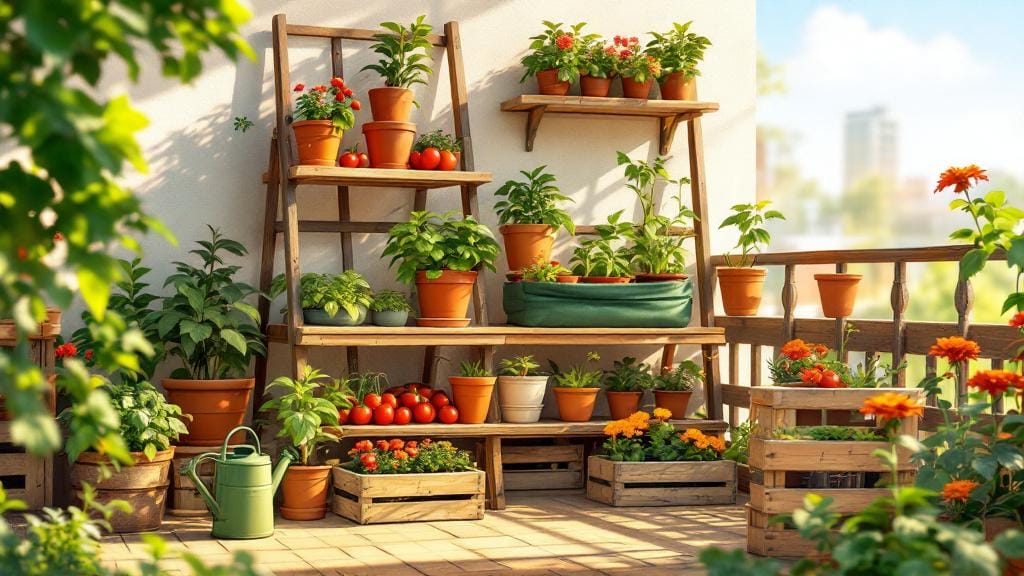
Your balcony can become a productive mini farm with container gardening. Start by evaluating sunlight and wind exposure, then select suitable plants like herbs, tomatoes, or leafy greens. Use tiered shelves, rail planters, or wall-mounted pots to maximize vertical space. With the right gardening container choices, you can grow a surprising variety of vegetables and herbs even in a small area. Add a small compost bin or worm farm for nutrient-rich soil amendments. This balcony transformation isn’t just functional—it also brings greenery and calm into your home. Container gardening turns even the smallest balcony into a thriving green oasis.
Best Plants to Grow in Containers for Maximum Yield
Choosing the right plants is key to success in container gardening. Tomatoes, peppers, herbs (like basil and mint), lettuce, radishes, and strawberries thrive in containers. These plants have shallow root systems and adapt well to pot environments. When selecting a gardening container, make sure it provides enough space for roots to spread and has proper drainage. Dwarf or compact plant varieties are especially suited for pots.
Grouping compatible plants can also boost yield and reduce space. But if you’re wondering if these specific seeds work in a traditional garden, find out if you can plant container variety seeds in the ground and what the results might be. With proper care and selection, your container garden can deliver a rich harvest, even in the tightest of living spaces.
Creative DIY Ideas for Budget-Friendly Planters
Container gardening doesn’t have to break the bank. With some creativity, you can turn everyday household items into planters. Old buckets, teacups, mason jars, wooden crates, and even colanders make unique and functional gardening containers. Drill holes at the bottom for drainage and use liners if needed. Repainting or decorating them can add a personal touch to your space.Upcycled planters not only reduce waste but also add charm and character to your garden. Embracing DIY container gardening ideas makes the hobby more accessible, especially for beginners and budget-conscious gardeners who still want beautiful, green results.
Choosing the Right Soil Mix for Healthy Potted Plants
Soil quality is crucial in container gardening because your plants rely solely on what’s inside the pot. Unlike traditional garden beds, container soil must be well-draining yet moisture-retentive. A mix of potting soil, compost, and perlite or coco coir works well for most plants. Avoid using garden soil directly; it can compact and hinder root growth. For different plant types, adjust the mix accordingly: succulents prefer sandy soil, while vegetables love compost-rich blends. Choosing the right gardening container is important, but pairing it with the correct soil mix ensures healthy root systems, strong growth, and a thriving container garden.
Mastering the Art of Watering Your Container Garden
Watering may seem simple, but it’s a critical part of successful container gardening. Containers dry out faster than garden beds, especially in warm climates. Overwatering can cause root rot, while underwatering leads to wilting. The key is to consistently check moisture levels regularly by touching the soil or using a moisture meter. Early morning or late evening is the best time to water. Choose gardening containers with good drainage holes to avoid stagnant water. Adding mulch on top can also retain moisture. With attention and care, you’ll soon master watering, ensuring your container gardening efforts remain healthy and fruitful.
How to Garden on a Budget Using Containers
Gardening, or container gardening, can be very cost-effective with a bit of planning. Use recycled materials for planters, make your own compost, and grow plants from kitchen scraps or seeds instead of buying seedlings. Choose low-maintenance plants that offer multiple harvests, such as herbs or leafy greens. Take advantage of community plant swaps or gardening groups. DIY vertical planters or hanging containers can save space and money. Buying soil and fertilizer in bulk can also reduce costs. With thoughtful strategies, anyone can enjoy the benefits of container gardening without spending much, proving that gardening doesn’t have to be an expensive hobby.
Simple Harvesting Tips for a Thriving Container Garden
Knowing when and how to harvest is just as important as growing. In container gardening, timing is key harvest leafy greens when young and tender, and pick fruits like tomatoes or peppers as they ripen. Use clean scissors or garden snips to avoid damaging the plant. Regular harvesting encourages more growth, especially for herbs and greens. Don’t let produce over-ripen, as this can attract pests and reduce plant energy. With good observation and gentle handling, your gardening container setup can provide a continuous, healthy yield. Harvesting wisely ensures your container garden stays productive and visually appealing all season long.


