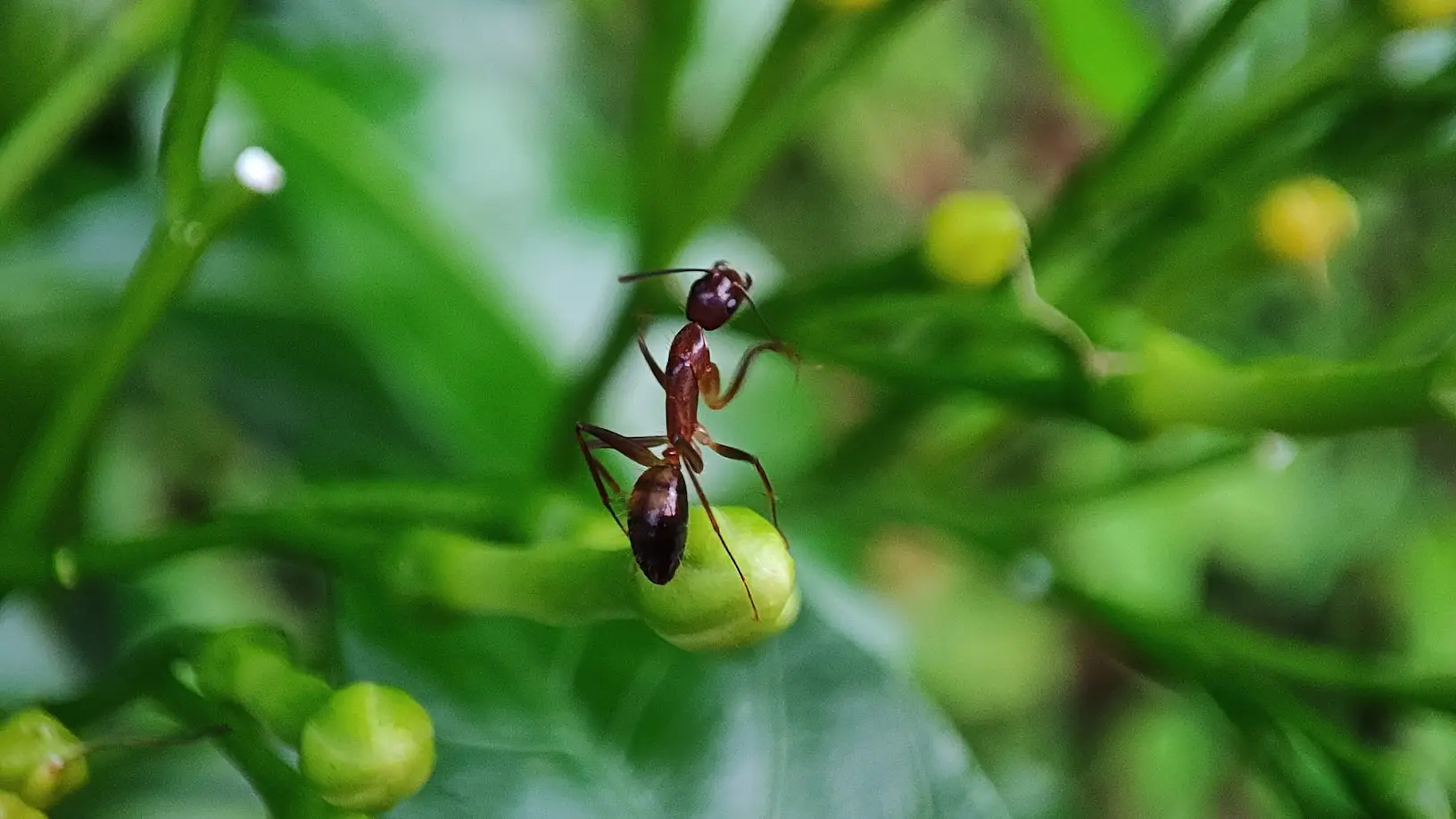

If you’re wondering what eats ants in the garden, the answer lies in the natural food chain. While ants can be beneficial in small numbers, they often become a nuisance by farming aphids, disturbing plant roots, or invading raised beds. Fortunately, many creatures eat ants in the garden naturally. From birds and lizards to beetles and spiders, your garden is full of potential allies. Encouraging these predators is a chemical-free way to control ant populations. Instead of fighting nature, use it to your advantage. The best way to manage ants? Know what eats them and help those hunters thrive.
Ants taking over your garden? Nature already has the answer.
Ant infestations can be frustrating, but reaching for pesticides isn’t the only option. In fact, nature is already at work. Many species naturally eat ants in the garden, keeping populations in check. Birds like robins, wrens, and sparrows feast on ants. So do reptiles like lizards, and even small mammals like shrews. By understanding which animals play a role in pest control, you can create a healthier, balanced ecosystem. Rather than eliminating all insects, support the ones that manage others. Sometimes, the best pest control is simply inviting the right wildlife into your garden space.
By understanding which animals play a role in pest control, you can create a healthier, balanced ecosystem. This is especially important in warm regions where insects stay active all year. For instance, many people moving to sun-drenched areas often ask, is Winter Garden Florida, safe not just for their families but also for maintaining a pest-free outdoor lifestyle? Choosing the right florida winter garden plants, such as native shrubs and flowering perennials, can help attract the very birds and beneficial insects that keep these ant populations under control naturally.
Wondering what eats ants in the garden? Meet your unexpected allies.
When people ask what eats ants in the garden, they often overlook nature’s quiet helpers. Ground beetles, spiders, and even toads all eat ants garden-style, meaning they hunt right where the ants live. These predators often go unnoticed, but they work tirelessly to keep the population under control. Encourage their presence by avoiding broad-spectrum insecticides, providing natural shelter, and planting diverse vegetation. A garden with biodiversity is more resilient and self-sustaining. Don’t underestimate the value of these small allies; they’re your built-in pest management system, working behind the scenes.
Stop reaching for chemicals; let these natural predators handle your ant problem.
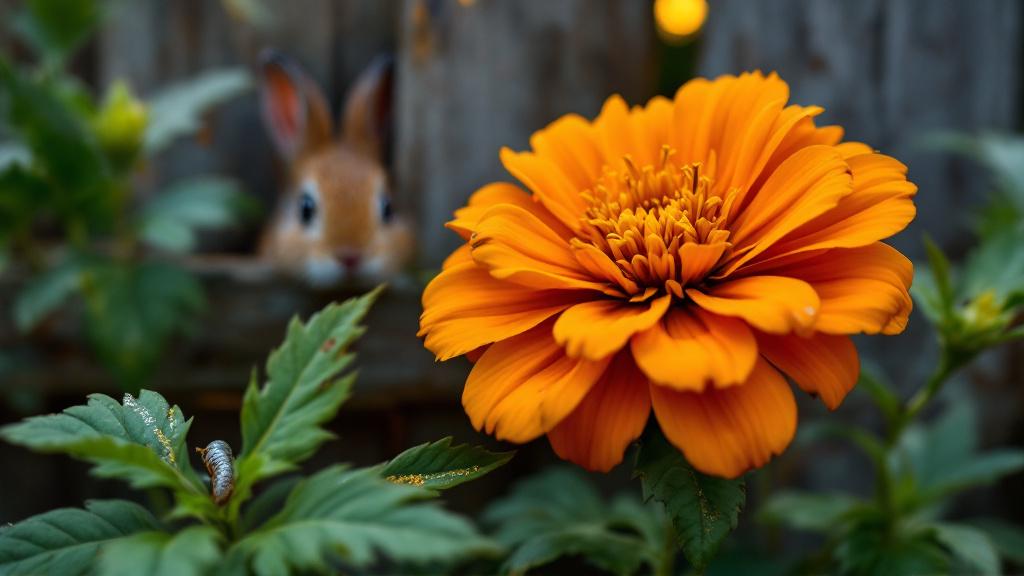
You don’t need toxic sprays to deal with ants. Instead, learn to attract the creatures that eat ants in the garden. Frogs, lizards, and certain birds love to snack on ants. Parasitic wasps and phorid flies even target ant colonies directly. These natural predators are far safer for your vegetables and beneficial bugs than any chemical solution. Building a garden that welcomes these species with native plants, rocks for shelter, and small water features goes a long way. Let nature do the work for you. Ant control doesn’t need to be harsh; it just needs to be smart.
Who’s hunting ants in your backyard? The surprising garden food chain was revealed.
Believe it or not, your backyard is a battleground. Ants may be small, but they’re part of a much larger food chain. Creatures that eat ants garden-style include snakes, birds, beetles, spiders, and even other ants. Yes, some ant species raid and eat other colonies. The balance between predator and prey is what keeps your garden ecosystem in check. The more you support this natural cycle, the fewer pest problems you’ll have. By identifying what eats ants in the garden, you can strengthen this web and ensure your plants thrive without constant interference.
Ants aren’t alone in finding out what creatures are feasting on them.
Ants may seem like pests to you, but they’re a delicacy to others. Many creatures actively eat ants in the garden as part of their diet. Think birds like nuthatches and jays, or beneficial insects like ladybugs and assassin bugs. Even some fungi and nematodes target ants in clever ways. By creating a garden space where these organisms feel welcome, you increase your natural defenses. The more predators around, the less you’ll see of ants. It’s a natural, ongoing solution that keeps your garden balanced without resorting to harsh chemicals or constant maintenance.
Want fewer ants? Attract these natural pest controllers to your garden.
If you’re tired of ants crawling over your plants and into your produce, it’s time to bring in their enemies. Creatures that eat ants in the garden include toads, lizards, certain wasps, and ground beetles. To attract them, offer shelter with rocks, mulch, or native shrubs. Avoid using pesticides that kill both pests and predators. Add a birdbath or water dish for amphibians. The idea is simple: encourage the species that control pests for you. When you make your garden friendly to natural ant predators, you’ll spend less time fighting infestations and more time enjoying your harvest.
From birds to beetles, discover what’s eating ants while you sleep.
Even when the garden is quiet, the pest control continues. Many predators that eat ants garden-style are nocturnal. For instance, ground beetles and spiders patrol your soil while you sleep. Owls and bats also feed on insects during the night. By the time morning comes, ant populations may already be reduced. Encouraging nighttime predators is just as important as daytime ones. Provide a mix of plants and habitats that support both. Whether it’s a log pile for beetles or dense shrubs for birds, small additions can bring big benefits to your ecosystem.
Ant invasion? These garden predators are doing the dirty work for you.
Ants can quickly invade your garden, but you’re not alone in the fight. Predators like toads, birds, and even skinks are already working on your behalf. These creatures eat ants in the garden consistently, often before you even notice the issue. When you support their presence with shade, water, and diverse plants, you strengthen your garden’s natural defense system. Avoiding chemical interference allows these predators to thrive. You’ll reduce ant numbers over time and build a healthier, more self-sustaining garden without lifting a finger or a spray bottle.
Curious what keeps ant populations in check? These creatures play a key role.
What stops ants from overrunning your yard? A well-functioning food chain. Insects like dragonflies and antlions, birds like robins and woodpeckers, and reptiles such as lizards and snakes all eat ants in the garden regularly. These creatures not only control ants but also reduce other pests. Maintaining a habitat that attracts them, free of synthetic chemicals and rich in plant variety, is essential. When nature’s pest control is in place, you get fewer infestations and healthier plants. Look closely, and you’ll see your garden is full of hardworking ant eaters already.
Nature vs. ants: What eats them and how to encourage those predators.
Nature has the best pest control predators. If you want fewer ants, focus on what eats ants in the garden naturally. Spiders, beetles, birds, and amphibians all play a part. To support them, limit pesticide use, provide native plants, and create hiding places like logs and leaf litter. A layered garden full of life balances itself. You don’t need to remove every ant—just let the natural hunters do their job. Encouraging these allies builds a stronger ecosystem and gives you a cleaner, calmer garden over time.


