
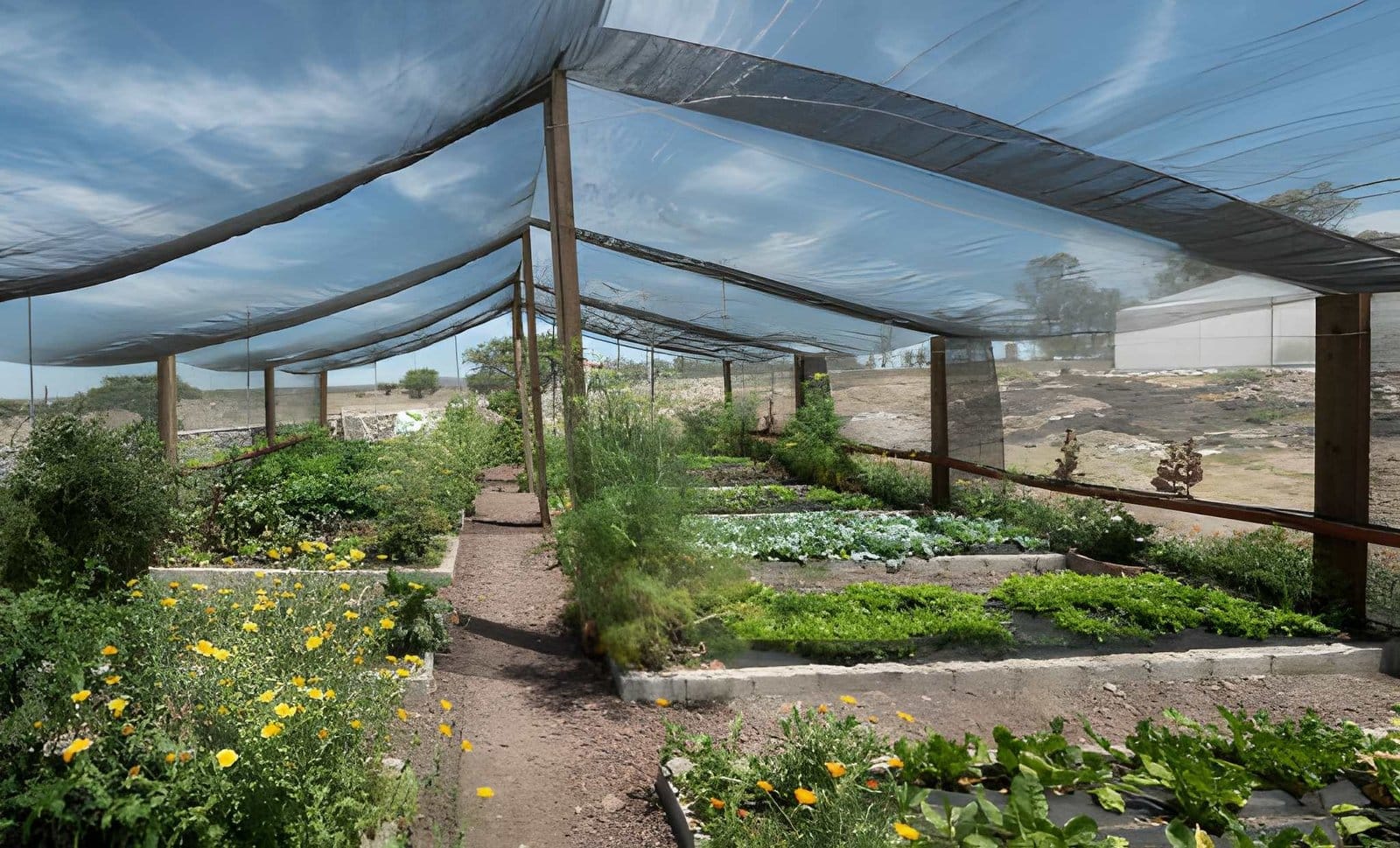

Got a garden that sits in shadow half the day? Don’t write it off. Plenty of people assume a shady spot is a dead zone for growing food. It isn’t. The trick is picking the right crops.
Most vegetables want sun. That part is true. But a good number of them grow just fine with far less. Some even prefer it. They bolt, wilt, or turn bitter under harsh light. Give them shade, and they stay sweet and tender for longer.
This guide covers the best shade-tolerant vegetables, how much light they really need, and how to get a solid harvest from a low-light patch.
What Counts as Shade?
First, let’s clear up the labels. They confuse a lot of gardeners.
Full sun means six or more hours of direct light a day.
Partial shade means three to six hours, often morning sun with afternoon cover.
Full shade means less than three hours of direct light, or dappled light all day through tree branches.
True full shade is hard. Almost nothing edible thrives in deep, all-day darkness. But partial shade? That’s workable. Most of the crops below want partial shade or light dappled sun. If your spot gets even a few hours of morning light, you have options.
Watch your garden for a day before you plant. Note when the sun hits and when it leaves. Morning sun with afternoon shade is the sweet spot for low-sunlight areas.
Why Some Vegetables Grow in Shade
It comes down to what part of the plant you eat.
Leafy greens and herbs grow leaves. That’s the whole point. Leaves don’t need much sun to form. So these crops handle shade well.
Root vegetables grow underground. They need a bit more light to fuel the root, but many still cope with partial shade. You just get a slightly smaller crop.
Fruiting vegetables are the fussy ones. Tomatoes, peppers, squash, eggplant. They turn flowers into fruit, and that takes loads of energy. Energy comes from the sun. These almost always need full sun, so skip them in a shady bed.
Keep that rule in mind. Leaves over roots over fruit. The closer a crop is to “leaf,” the better it does in shade.
The Best Shade-Tolerant Vegetables
Here are the crops that actually perform in low light.
Leafy Greens
These are your champions. Most leafy greens taste better with some shade because heat makes them bitter.
Lettuce is the easy win. Loose-leaf types, especially. Too much sun makes lettuce bolt and turn nasty. Shade keeps it crisp and mild.
Spinach loves cool, shaded ground. Hot sun sends it to seed fast. Plant it where the afternoon stays cool, and you’ll pick leaves for weeks.
Swiss chard is tough and forgiving. It grows in partial shade without complaint and keeps producing all season. The colorful stems look good, too.
Kale handles shade and cold. Growth slows a little with less light, but the leaves stay tender and sweet.
Arugula thrives in shade. Strong sun makes it harsh and peppery. A shaded spot keeps the flavor balanced.
Mustard greens, bok choy, and Asian greens all belong here, too. Fast, leafy, and happy out of direct sun.
Herbs
Many herbs cope with shade better than people think.
Parsley, cilantro, mint, and chives all grow in partial shade. Mint actually prefers it and spreads like mad, so keep it in a pot.
Cilantro is a bonus. Shade stops it from bolting in warm weather, so you get leaves for longer.
Root Vegetables
These need a touch more light than greens, but they still work in partial shade. Expect slightly smaller roots and a bit more patience.
Radishes are quick and reliable. They mature in weeks and don’t demand full sun.
Beets give you two crops in one. Eat the roots and the leafy tops. They grow well in partial shade.
Carrots manage with four or five hours of sun. The roots come out a little thinner, but the flavor is fine.
Turnips handle shade and cool soil with no fuss.
Brassicas and Others
Broccoli and cauliflower tolerate partial shade. Shade can even slow bolting in warm spells, which buys you time.
Peas are a nice surprise. They produce pods in partial shade, especially in cooler weather.
Garlic and leeks also grow in lower light without much trouble.
Tips for Growing in Low-Sunlight Areas
Picking shade-tolerant crops is step one. These habits make the difference between a sad patch and a real harvest.
Track your light first. Know exactly how many hours of sun your spot gets, and when. Plant to match.
Lean on the morning sun. Morning light is gentler, and crops use it well. Afternoon shade protects them from heat stress.
Space plants out. Crowded plants fight for the little light there is. Give them room to catch every ray.
Go easy on water. Shaded soil dries more slowly than sunny soil. Check before you water so you don’t drown the roots.
Feed the soil. Shade plants grow more slowly, so rich, healthy soil helps them along. Mix in compost before planting.
Use reflected light. A light-colored wall or fence nearby bounces extra light onto your bed. Small trick, real gain.
Be patient. Crops in shade grow slower than those in full sun. That’s normal. The harvest still comes.
Pick often. Harvesting leafy greens regularly tells the plant to keep producing. Don’t let them sit.
A Simple Plan to Start
New to shady gardening? Keep it small.
Start with lettuce, spinach, and Swiss chard. They’re forgiving and fast. Add a pot of mint and parsley nearby. Once you see them grow, branch out into radishes and beets.
You’ll learn your garden’s rhythm quickly. Every shady spot is a little different. A patch that struggles with one crop might love another. Test, watch, adjust.
Final Word
A shady garden is not a wasted garden. It’s just a different one. Match the crop to the light, and you’ll grow plenty of fresh food from a spot you thought was useless.
Start with the easy greens. Build from there. Your low-light corner has more potential than you think.
Frequently Asked Questions
Can tomatoes grow in shade?
Not well. Tomatoes are fruiting crops and need full sun to ripen. Stick to leafy greens in shade.
What vegetable grows in the most shade?
Lettuce, spinach, and Swiss chard handle the lowest light. They only need a few hours of soft sun.
Do herbs grow in shade?
Yes. Mint, parsley, cilantro, and chives all do well in partial shade.
How many hours of sun do shade-tolerant vegetables need?
Most want three to six hours. A few greens cope with even less.


