


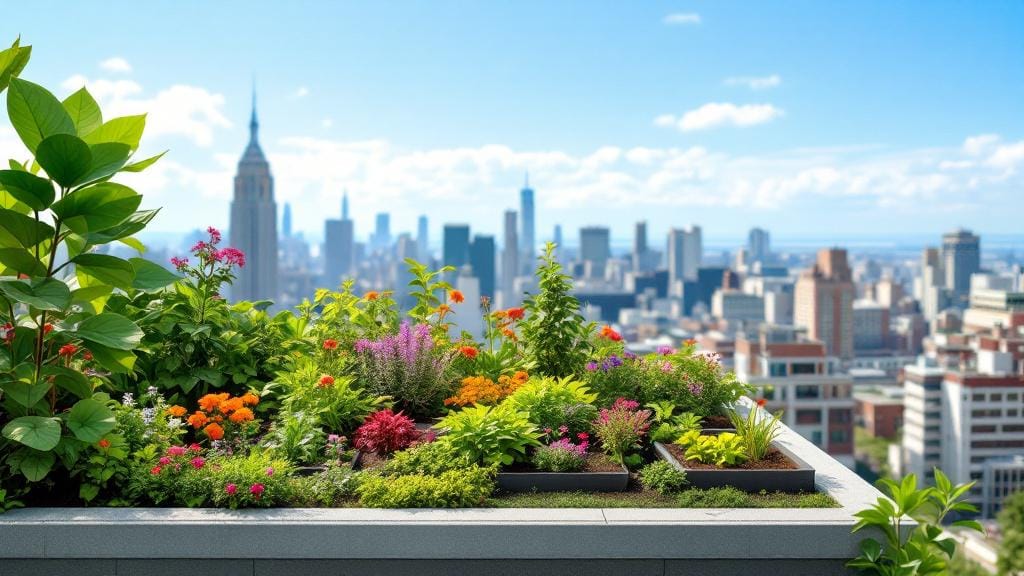
As cities continue to expand and open land becomes increasingly scarce, rooftops are emerging as valuable spaces for greenery. Rooftop plants, also known as rooftop gardens or green roofs, transform unused building tops into productive, beautiful, and environmentally beneficial areas. From small home terraces to large commercial buildings, rooftop planting is gaining popularity worldwide due to its positive impact on the environment, human health, and urban living.
What Are Rooftop Plants?
Roof plants refer to vegetation grown on the roofs of buildings. These can range from simple potted plants to fully developed gardens with shrubs, grasses, vegetables, and even small trees. This form of residential gardening can be created on homes, schools, offices, malls, and apartment complexes, making nature accessible even in crowded urban areas. Rooftop gardens can be created on residential homes, schools, offices, malls, and apartment complexes. Depending on the structure and design, rooftop plant systems may be lightweight container gardens or complex layered green roofs with soil beds, drainage systems, and irrigation.
Types of Rooftop Gardens
Rooftop gardens are generally classified into three main types based on their depth and use. When you integrate a roof in garden design, you are essentially creating a living layer that protects the building while providing a space for nature to thrive.
1. Extensive Green Roofs
These are lightweight systems with shallow soil layers, usually planted with hardy, low-maintenance plants such as grasses, mosses, and succulents. They require minimal watering and care and are mainly designed for environmental benefits rather than active use.
2. Intensive Green Roofs
Intensive green roofs are more like traditional gardens. They have deeper soil layers and can support a wide variety of plants, including flowers, vegetables, shrubs, and small trees. These rooftops require more maintenance, irrigation, and structural support but provide greater aesthetic and recreational value.
3. Semi-Intensive Green Roofs
This type combines features of both extensive and intensive roofs. It allows for moderate plant variety and maintenance while keeping weight and cost manageable.
Environmental Benefits of Rooftop Plants
One of the most significant advantages of rooftop plants is their positive impact on the environment.
Reducing Urban Heat
Cities often experience higher temperatures than surrounding rural areas, a phenomenon known as the urban heat island effect. Rooftop plants help reduce heat by absorbing sunlight and cooling the air through evaporation. This leads to lower building temperatures and improved comfort.
Improving Air Quality
Plants absorb carbon dioxide and release oxygen. Rooftop vegetation also traps dust, smoke, and air pollutants, helping to clean the surrounding air and reduce health risks caused by pollution.
Managing Rainwater
Rooftop gardens absorb rainwater, reducing runoff that can overwhelm drainage systems and cause flooding. They also help filter pollutants from rainwater before it reaches the ground.
Supporting Biodiversity
Green rooftops create habitats for birds, butterflies, bees, and other beneficial insects. In densely built cities, rooftop plants can serve as important green corridors that support urban biodiversity.
The environmental impact of green roofs is significant, as they help mitigate the heat island effect and manage urban stormwater effectively.
Benefits for Buildings and Energy Efficiency
Rooftop plants provide natural insulation for buildings. During summer, they reduce heat absorption, lowering the need for air conditioning. In winter, the soil and plants help retain warmth, reducing heating costs. As a result, rooftop gardens can significantly reduce energy consumption and lower electricity bills.
Additionally, rooftop plants protect the roof surface from extreme weather conditions such as direct sunlight, heavy rain, and temperature fluctuations. This can extend the lifespan of the roof and reduce maintenance costs.
While rooftop plants protect the roof surface, ensuring your structure is in top shape is crucial; if you’re in the Florida area, professional roof repair in Winter Garden FL can help prepare your home for such green installations.
Health and Social Benefits
Rooftop gardens offer more than environmental advantages; they also contribute to physical and mental well-being.
Stress Reduction
Green spaces have been proven to reduce stress and anxiety. Spending time around plants promotes relaxation, improves mood, and enhances overall mental health. Rooftop gardens provide a peaceful retreat from busy city life.
Encouraging Physical Activity
Gardening involves physical movement such as planting, watering, and pruning. Rooftop gardens also create spaces for walking, yoga, or relaxation, encouraging healthier lifestyles.
Community Building
In apartment complexes and schools, rooftop gardens can become shared spaces where people interact, work together, and build a sense of community. They also offer educational opportunities for children to learn about nature and sustainability.
Rooftop Plants for Urban Farming
Rooftop gardening is increasingly being used for growing food in cities. Vegetables, fruits, herbs, and even small fruit trees can be grown on rooftops, contributing to local food production.
Common rooftop crops include tomatoes, lettuce, spinach, peppers, cucumbers, beans, strawberries, and herbs like basil, mint, and coriander. Urban rooftop farming reduces dependence on transported food, lowers carbon emissions, and provides fresh, chemical-free produce.
Choosing the Right Plants
Selecting suitable roof top plants is essential for a successful garden. Factors such as climate, sunlight, wind exposure, and roof load capacity must be considered. By choosing the right species, you ensure that your green space remains vibrant and sustainable throughout the seasons.
Ideal Rooftop Plants
Succulents and cacti (low water needs)
Ornamental grasses
Flowering plants like marigolds and petunias, and practicing bloody cranesbill geranium gardening for a hardy, vibrant perennial option
Herbs such as rosemary, thyme, and basil
Vegetables like tomatoes, chilies, and leafy greens
Plants with strong roots and high wind resistance are especially suitable for rooftops.
Challenges of Rooftop Planting
Despite its many benefits, rooftop gardening also comes with challenges.
Structural Limitations
Not all buildings are designed to support the additional weight of soil, water, and plants. Structural assessment is necessary before installing a rooftop garden.
Maintenance Requirements
Rooftop plants need regular care, including watering, pruning, fertilizing, and pest control. Automated irrigation systems can help reduce effort.
Initial Costs
The cost of installing waterproofing layers, drainage systems, soil, and plants can be high. However, long-term energy savings and environmental benefits often outweigh the initial investment.
Weather Exposure
Rooftops are more exposed to wind, heat, and heavy rainfall. Protective barriers and appropriate plant selection are important to address these conditions.
Rooftop Plants and Sustainable Cities
As cities aim to become more sustainable, rooftop plants play an important role in green urban planning. Many governments and organizations now encourage green roofs through incentives, building regulations, and awareness programs.
Rooftop greenery contributes to climate resilience, reduces pollution, conserves energy, and improves quality of life. When combined with solar panels, rainwater harvesting, and sustainable construction, rooftop gardens become powerful tools for eco-friendly development.
Rooftop plants represent an innovative and practical solution to many urban challenges. By transforming unused rooftop spaces into green, productive areas, cities can improve environmental health, reduce energy consumption, and enhance human well-being. Although rooftop gardening requires planning, investment, and maintenance, its long-term benefits make it a valuable addition to modern urban living.
As awareness grows and technology advances, rooftop plants are likely to become a common feature of future cities—bringing nature closer to people and creating healthier, greener environments for generations to come.


