

The term “conventionally grown” is commonly used to describe how food, especially fruits, vegetables, and grains, is produced using standard, modern agricultural methods. You’ll often see it used in contrast to terms like “organic,” “natural,” or “locally grown.” While many people encounter this term at grocery stores or in discussions about food quality and sustainability, its meaning is not always clearly understood.
In simple terms, conventionally grown food is produced using widely accepted farming practices that may include synthetic fertilizers, chemical pesticides, herbicides, and modern farming technologies designed to maximize crop yield, efficiency, and affordability. These practices are legal, regulated, and used by the majority of farmers worldwide.
Understanding what “conventionally grown” means requires looking at how food is produced, why these methods are used, and how they compare to alternative farming approaches.
The Basics of Conventional Agriculture
Conventional agriculture refers to the dominant farming system used in many countries today. It developed largely during the 20th century as a response to population growth, food shortages, and the need to produce large quantities of food efficiently.
Key goals of conventional farming include:
- Producing high crop yields
- Reducing crop loss from pests and disease
- Lowering food costs for consumers
- Ensuring a consistent food supply year-round
To achieve these goals, conventional farmers often rely on scientifically developed tools and inputs, such as fertilizers, pesticides, mechanized equipment, and improved crop varieties.
Use of Synthetic Fertilizers
One defining feature of conventionally grown crops is the use of synthetic (man-made) fertilizers. These fertilizers provide essential nutrients, mainly nitrogen, phosphorus, and potassium, that plants need to grow.
Synthetic fertilizers:
- Help crops grow faster and larger
- Allow farmers to control nutrient levels precisely
- Increase yields on the same amount of land
Without fertilizers, soil nutrients can become depleted over time. Conventional farming uses fertilizers to replenish those nutrients efficiently, especially in large-scale operations.
Use of Pesticides and Herbicides
Conventionally grown crops may also involve the use of pesticides (to control insects and diseases) and herbicides (to control weeds). These chemicals are used to protect crops from damage that could significantly reduce harvests.
Important points to understand:
- Pesticides used in conventional farming are regulated by government agencies
- Farmers must follow rules about how much and how often they can be applied
- Crops are tested to ensure residue levels stay within safety limits
While these chemicals are controversial for some consumers, they play a major role in preventing crop failure and maintaining stable food production.
Genetically Modified Organisms (GMOs)
In many countries, conventionally grown foods may include genetically modified organisms (GMOs). GMO crops are developed using biotechnology to introduce specific traits, such as:
- Resistance to pests
- Tolerance to drought
- Improved shelf life
Not all conventionally grown foods are GMO, but organic farming prohibits GMOs, which is why the term often comes up in comparisons between organic and conventional foods.
Mechanization and Technology
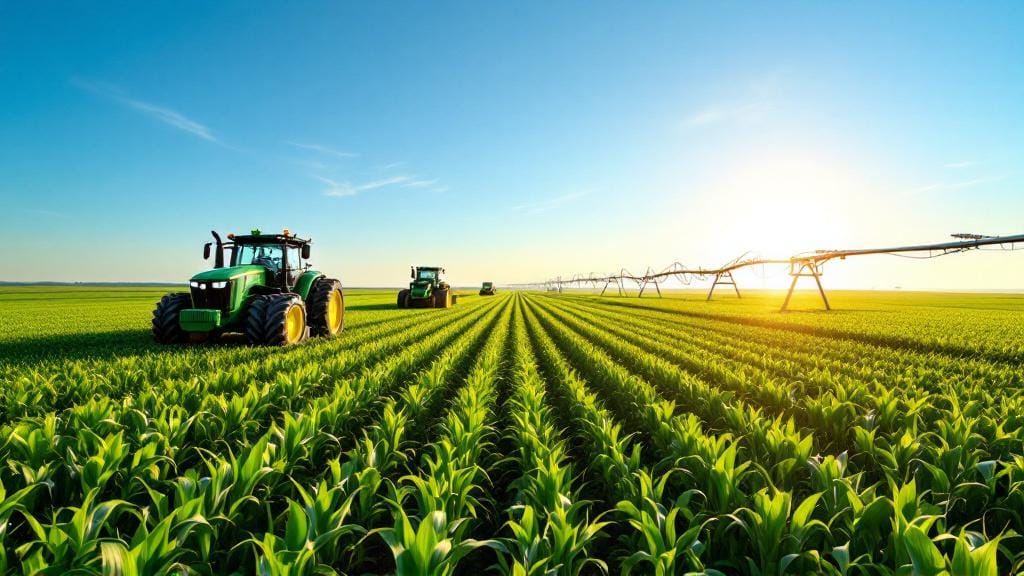
Conventional farming relies heavily on modern machinery and technology, such as:
- Tractors and harvesters
- Irrigation systems
- GPS-guided equipment
- Data-driven crop monitoring
These tools allow farmers to work large areas of land efficiently and reduce manual labor. Mechanization has been essential in meeting the food demands of growing global populations.
Conventionally Grown vs. Organic
One of the most common reasons people ask about conventionally grown food is to compare it with organic food.
Key differences include the following:
| Conventionally Grown | Organic |
| Synthetic fertilizers allowed | Only natural fertilizers allowed |
| Chemical pesticides may be used | Limited, natural pesticides |
| GMOs may be allowed | GMOs prohibited |
| Generally lower cost | Often more expensive |
| Higher yields | Lower yields on average |
It’s important to note that both conventional and organic foods must meet food safety standards. Neither category automatically means “unsafe” or “unhealthy.”
The main difference lies in production standards. While conventional farming follows standard safety laws, organic operations from local commercial growers to specialized family setups like Blue Sky Organic Farms must strictly adhere to the USDA organic standards and strict regulations to legally use the organic certification label on their produce.
Environmental Considerations
Conventional farming has both benefits and challenges when it comes to the environment.
Benefits:
- Produces large amounts of food on less land
- Helps prevent food shortages
- Can reduce pressure to clear forests for agriculture
Challenges:
- Chemical runoff may affect water quality
- Overuse of fertilizers can harm soil health
- Heavy reliance on fossil fuels for machinery
Many conventional farmers are now adopting sustainable practices, such as precision agriculture, reduced chemical use, and soil conservation techniques, to address these concerns.
Why Most Food Is Conventionally Grown
The majority of food available in supermarkets is conventionally grown because this system:
- Keeps food prices affordable
- Supports large-scale distribution
- Provides a consistent supply year-round
Organic farming, while incredibly valuable for niche sustainable operations and specialized eco-tourism destinations like the famous ocean vodka organic farm and distillery, currently cannot produce a high enough raw volume of food to fully replace conventional agriculture without massive, unpredictable changes in global land use and consumer costs.
Is Conventionally Grown Food Safe?
Yes. Conventionally grown food is considered safe to eat by major health and food safety organizations around the world. Governments test food for pesticide residues and enforce strict limits.
Washing fruits and vegetables, whether conventional or organic, is recommended to remove dirt, bacteria, and surface residues.
Why the Term Matters to Consumers
The term “conventionally grown” helps consumers make informed choices based on their values, priorities, and budget. Some people prefer organic food due to environmental or philosophical reasons, while others choose conventionally grown food for affordability and accessibility.
Neither choice is inherently “right” or “wrong.” What matters most is eating a balanced diet with plenty of fruits, vegetables, and whole foods.
“Conventionally grown” refers to food produced using standard modern farming methods that may include synthetic fertilizers, chemical pesticides, mechanization, and advanced technologies. These practices have played a major role in feeding the world and making food widely available and affordable.
While conventionally grown food differs from organic food in methods and regulations, both types are subject to safety standards and can be part of a healthy diet. Understanding what the term means allows consumers to move beyond labels and make thoughtful decisions about the food they eat.
In a world facing population growth, climate challenges, and food security concerns, conventionally grown agriculture remains a central part of the global food system, continuing to evolve as science and sustainability practices advance.
Understanding how materials are sourced is essential in many fields. If you’re also interested in virtual resource gathering, check out our guide on where to farm organic and inorganic materials in the gaming world


