
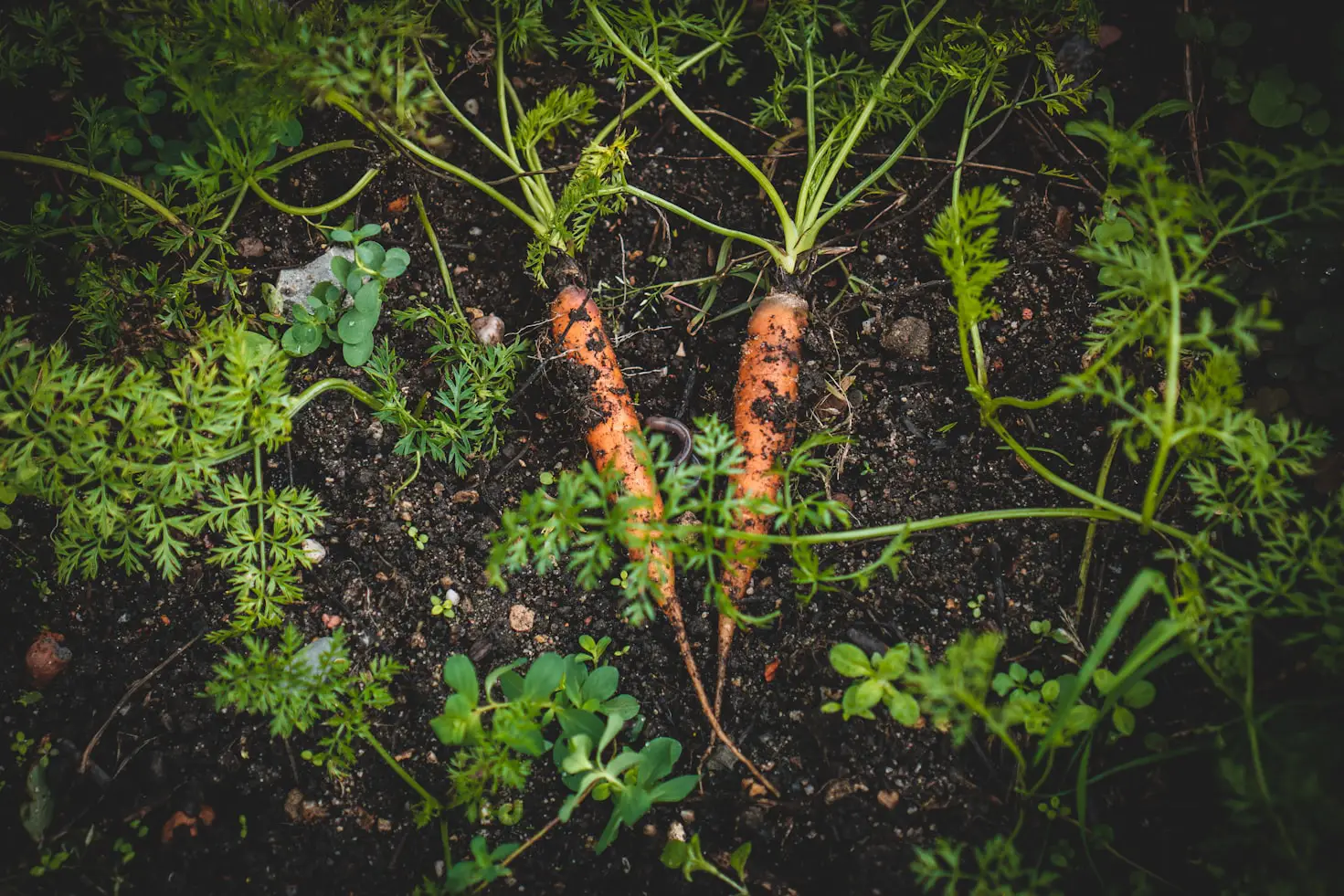

When people think of hydroponics, they usually imagine leafy greens, herbs, and maybe tomatoes. Root vegetables, especially carrots, rarely come to mind. This leads many gardeners to wonder: Can you grow carrots hydroponically?
The answer is yes, you absolutely can grow carrots hydroponically, and when done correctly, the results can be surprisingly impressive. In fact, hydroponic carrots often grow straighter, cleaner, and more uniform than soil-grown ones. However, they require specific conditions and techniques to thrive in a water-based environment.
This comprehensive guide explains everything you need to know about growing carrots hydroponically, from choosing the right variety to selecting the best system, managing nutrients, and avoiding common mistakes. Whether you’re a curious beginner or an experienced hydroponic grower, you’ll learn exactly how to produce crisp, sweet carrots without ever touching soil.
Can You Really Grow Carrots Hydroponically?
Yes, carrots are entirely viable in a hydroponic setup, and for many growers, the results are actually superior to soil-grown crops. When you grow in soil, the carrot has to push through compacted dirt, stones, and clay, which is the primary reason for “forked” or twisted roots. In a hydroponic medium like perlite or coco coir, the roots face zero resistance. This allows them to grow perfectly straight, uniform, and smooth.
Beyond the aesthetic benefits, hydroponics provides consistent moisture. One of the biggest challenges with carrots in a garden is inconsistent watering, which causes the roots to crack. In a hydroponic system, the moisture level is perfectly regulated, leading to a much higher survival rate and a significantly faster maturity time. Plus, since there is no dirt involved, the “messy” part of harvesting is eliminated, and your carrots come out of the medium already clean and ready to go.
- The growing medium stays loose and well-oxygenated.
- The root zone receives consistent moisture.
- The environment maintains a proper temperature.
- Nutrients are balanced for root development (especially potassium).
In fact, hydroponics can offer several advantages over soil:
1. No Soil Compaction
Carrots grow best when they can expand easily. Soil often compacts, leading to twisted or forked roots. Hydroponic media like perlite or coco coir eliminate this issue.
2. Consistent Moisture
Carrots need even moisture, not too wet and not too dry. Hydroponic systems excel at maintaining this balance.
3. Faster Growth
With ideal nutrient availability and oxygen access, hydroponic carrots can mature faster than soil-grown ones.
4. Cleaner Harvest
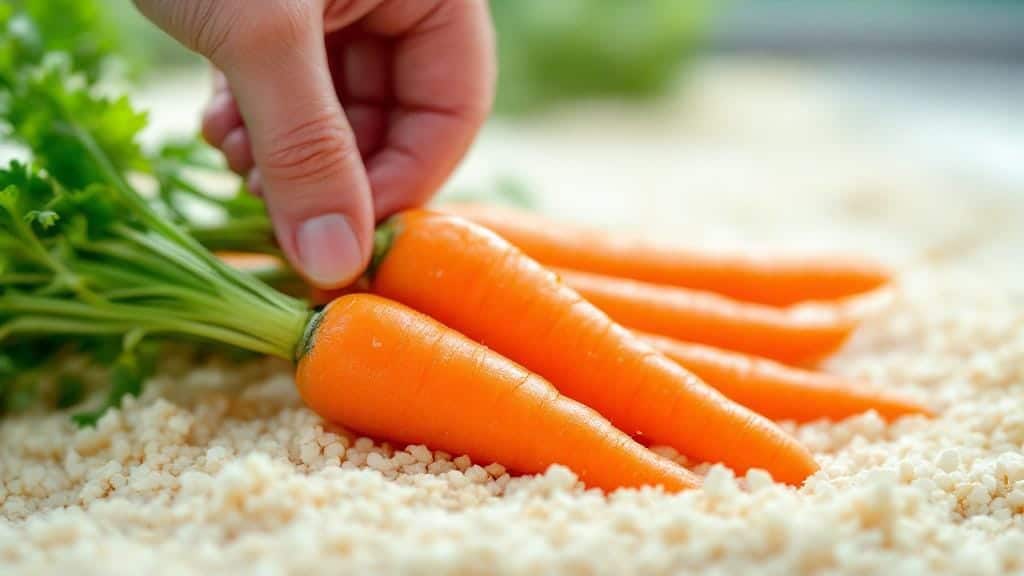
Because carrots never touch dirt, they come out perfectly clean, smooth, and ready to eat.
5. Space Efficiency
Indoor hydroponics allows gardeners to grow carrots year-round, even in small apartments.
Best Carrot Varieties for Hydroponics
Not all carrots are created equal. Some varieties thrive in hydroponic environments more than others, typically shorter, stubbier types.
Top hydroponic-friendly varieties:
1. Nantes
- Cylindrical
- Sweet flavor
- Uniform growth
- 6–7 inches long
Perfect for most hydroponic setups.
2. Chantenay
- Short and broad
- Grows well in shallow systems
- Highly tolerant of variable moisture
3. Mini or Baby Carrots (e.g., Thumbelina, Paris Market)
- Round or squat
- Ideal for small containers
- Mature quickly.
4. Amsterdam Forcing Types
- Slim and early-maturing
- Excellent for controlled environments
Long carrots (Imperator types) are possible, but they require deep grow beds and perfectly loose media, making them less beginner-friendly.
Best Hydroponic Systems for Growing Carrots
Selecting the right system is the difference between a successful harvest and a disaster. Deep Water Culture (DWC) is a fantastic choice, provided you use a deep container filled with an inert medium. This setup ensures the roots are never parched and gives them the structure they need to grow straight down.
If you prefer a hands-off approach, the Kratky Method works surprisingly well for carrots. Because it is a passive system, it eliminates the need for electricity and keeps the moisture levels incredibly stable, which is exactly what a developing carrot root craves. For growers who want to scale up, the Ebb-and-Flow (Flood and Drain) system is arguably the gold standard. By flooding the tray with nutrient-rich water and then draining it away, you ensure the roots receive a “breath of fresh air” (oxygen) while also staying perfectly hydrated. Avoid using NFT (Nutrient Film Technique) or aeroponics, as these systems are designed for shallow-root leafy greens and will fail to support the deep taproot that a carrot requires.
While carrots require deeper containers, many of the same principles apply to other crops. If you’re looking for a faster harvest, you can also learn how to grow hydroponic lettuce using similar water-based methods.
Carrots can be grown hydroponically in several systems, but some work better than others due to the root shape and need for depth.
1. Deep Water Culture (DWC) Bucket (Modified)
Great if you create a deep grow bed filled with an inert medium.
Pros:
- Excellent for consistent moisture
- Simple setup
- Great for uniform root growth
Cons:
- Requires customizing net pots or using larger containers
2. Kratky Method
Yes, carrots grow well with the passive Kratky method when placed in a deep container filled with medium.
Pros:
- No electricity
- Minimal maintenance
- Stable moisture
Cons:
- Not ideal for very large carrot varieties
3. Ebb-and-Flow (Flood and Drain)
Great for carrots because it oxygenates roots while keeping the media damp.
Pros:
- Excellent balance of moisture and oxygen
- Good for medium- to large-scale production
Cons:
- More technical setup
4. Drip Systems
A top choice for commercial growers.
Pros:
- Precise moisture control
- Great for uniformity
Cons:
- Requires frequent monitoring of emitters
Systems to Avoid
- Nutrient Film Technique (NFT): Channels are too shallow for root crops.
- Aeroponics: Possible, but roots can dry out too quickly; not beginner-friendly.
Choosing the Right Growing Medium
The ideal medium for hydroponic carrots is
- Loose
- Well-draining
- Non-compacting
- Able to hold moisture evenly
Recommended media:
- Perlite (coarse)
- Coco coir
- Vermiculite-perlite mix (50/50)
- Coco-perlite mix (70/30)
Avoid heavy or compacting media like pure peat.
Step-by-Step: How to Grow Carrots Hydroponically
Here’s a detailed guide to walk you through the process.
Step 1: Choose and Prepare Your System
Select a system with:
- At least 10–12 inches of depth
- Room for roots to expand without obstruction
- Adequate aeration (especially in DWC)
Fill the system with your chosen medium.
Step 2: Plant the Seeds Directly
Unlike leafy greens, carrots HATE being transplanted.
Always direct-seed into the final hydroponic medium.
How to sow:
- Make shallow impressions about ¼ inch deep.
- Drop 1–2 seeds per hole.
- Lightly cover with medium.
- Mist gently with pH-adjusted water.
Step 3: Maintain Germination Conditions
Carrot seeds take 7–21 days to germinate, so patience is key.
Optimal conditions:
- Temperature: 68–75°F (20–24°C)
- Humidity: 50–70%
- Light: Low light until sprouting (then full light)
- Medium: Consistently moist—but never soggy
A humidity dome can help maintain moisture, but remove it once seedlings appear.
Step 4: Provide Consistent, Moderate Light
Once sprouts appear:
- Provide 14–16 hours of bright light daily.
- Keep grow lights 6–12 inches above foliage.
- Use full-spectrum LEDs for best results.
Insufficient light causes weak tops, which can reduce root thickness.
Step 5: Feed With a Carrot-Friendly Nutrient Solution
Carrots need:
- Low to moderate nitrogen
- High potassium (K) for root development
- Balanced micronutrients
Ideal nutrient ranges:
- EC: 1.2–1.8
- pH: 6.0–6.5
Avoid excess nitrogen, or you’ll get lots of leaves and minimal roots.
Step 6: Thin Seedlings
Once they reach 1–2 inches tall, thin to 1 plant every 2–3 inches.
Crowded carrots become twisted or stunted.
Step 7: Maintain Consistent Moisture and Oxygen
The two biggest mistakes growers make:
- Letting the medium dry out
- Oversaturating the medium
Carrots need steady moisture for an even root shape, but must also have oxygen access. This is why perlite mixes and ebb-flow systems work extremely well.
Step 8: Monitor Growth and Avoid Disturbing Roots
Carrots grow slowly above ground while the roots develop below. Avoid poking around the medium—disturbing roots can deform carrots.
Keep the temperature between 60 and 75°F (15 and 24°C) for the best flavor and color.
Step 9: Harvesting Hydroponic Carrots
Most hydroponic carrots are ready in 60–75 days, depending on the variety.
To harvest:
- Gently loosen the medium around the carrot.
- Pull the greens upward with a steady motion.
- Rinse lightly under water (if needed).
Clean, perfectly shaped carrots are one of the joys of hydroponic gardening.
The most important rule in hydroponic carrot growing is this: Carrots hate being moved. Unlike lettuce or basil, you should never start seeds in a tray and transplant them. The shock of moving the taproot will almost always result in stunted, deformed vegetables. Instead, direct-seed them into your final container. Once the seeds are sown, the germination phase is the most critical; they need 7 to 21 days of consistently moist (not soggy) conditions. A humidity dome can be used initially, but it must be removed as soon as the first tiny sprout breaks the surface to prevent fungal issues.
Once your sprouts reach about 2 inches in height, you must thin them out. Even in a perfect hydroponic environment, if the plants are crowded, they will compete for space and nutrients, leading to tiny, thin carrots. By ensuring each plant has 2 to 3 inches of breathing room, you allow the root to swell to its full potential. Throughout this stage, keep your grow lights about 6 to 12 inches away. If the light is too far, the carrot will waste all its energy growing tall, weak, spindly greens instead of focusing on the root below.
Common Problems When Growing Carrots Hydroponically
1. Forked or Split Roots
Caused by inconsistent moisture or physical obstruction.
2. Weak Tops
Usually due to insufficient light or low potassium.
3. Slow Growth
Common if nitrogen is too low or temperatures are too cool.
4. Green-topped Carrots
Light is reaching the crown; add more medium to cover the roots.
Is Growing Carrots Hydroponically Worth It?
For hobbyists and indoor gardeners, absolutely.
Pros
- Clean, uniform carrots
- Year-round production
- Space-efficient
- No soil pests
- Great flavor
Cons
- Slower than leafy greens.
- Requires more medium.
- Deeper containers needed.
If you enjoy experimenting with hydroponics, carrots make a fun and rewarding project.
So, can you grow carrots hydroponically?
Yes! And with the right system, medium, and nutrient balance, they grow beautifully. Hydroponic carrots are uniform, sweet, and perfectly clean, making them ideal for indoor gardening.
Whether you’re growing miniature varieties like Paris Market or classic Nantes types, hydroponics gives you total control over moisture, nutrition, and root shape. With a bit of patience and proper care, you can enjoy crisp, fresh carrots straight from your hydroponic system any time of year.


