
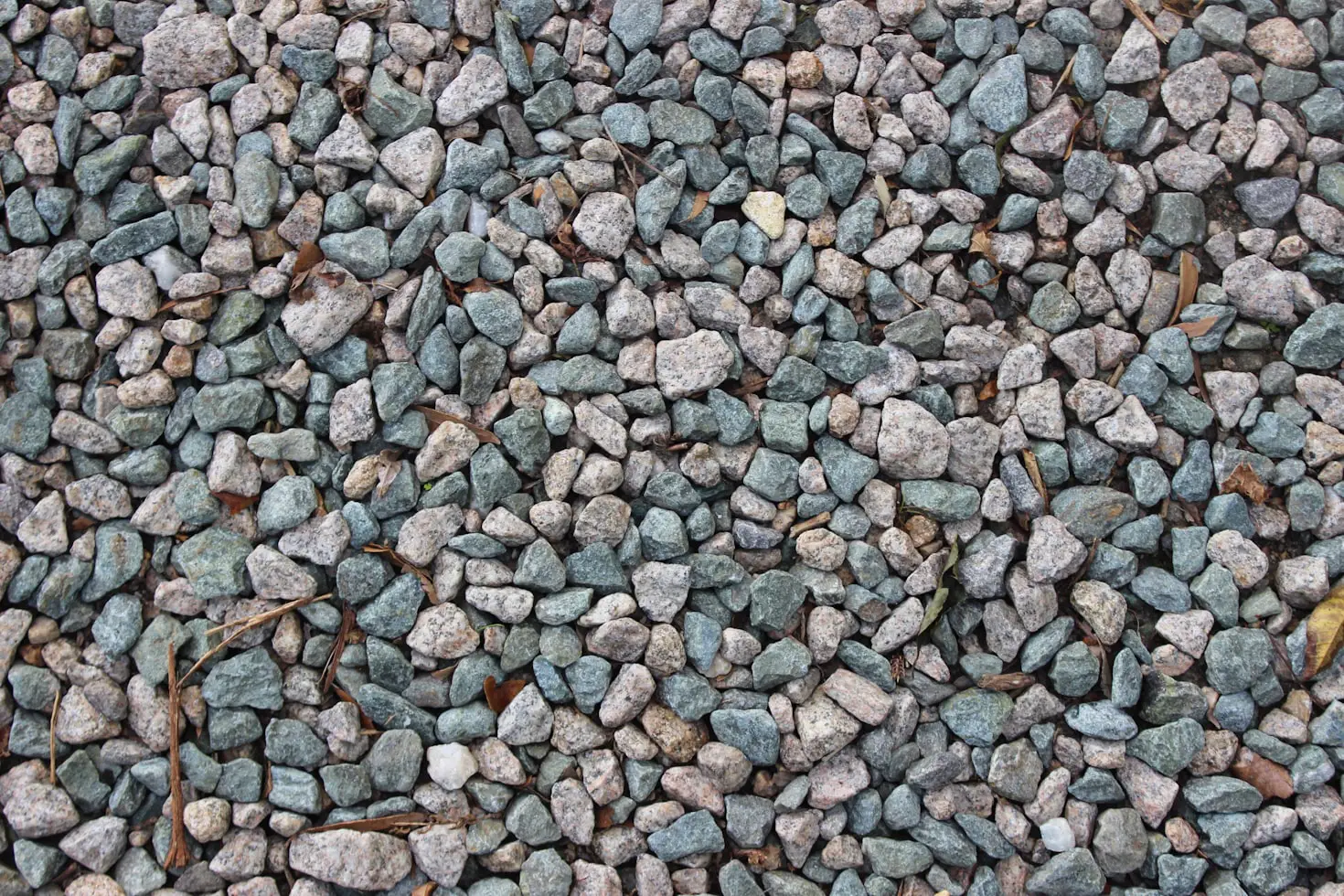

Rocks scattered throughout your yard can be a frustrating problem for homeowners. They interfere with mowing, damage garden tools, and make it difficult to plant grass, flowers, or vegetables. Whether you’re dealing with small pebbles or large buried boulders, removing rocks from your yard is an essential step in creating a safe, healthy, and attractive outdoor space.
This comprehensive guide will walk you through everything you need to know about how to get rocks out of your yard, from identifying the problem to using the right tools and techniques, disposing of the rocks responsibly, and preventing new ones from surfacing.
Why You Should Remove Rocks from Your Yard
Before getting started, it’s important to understand why removing rocks is worth the effort.
1. Rocks Damage Lawn Equipment
Even small rocks can become dangerous projectiles when struck by lawnmowers or trimmers. They can also dull blades and damage machinery, leading to costly repairs.
2. Rocks Prevent Healthy Plant Growth
Grass, flowers, and vegetables need loose, well-draining soil for their roots to spread. Rocks block root development and reduce soil aeration, leading to stunted or patchy growth.
3. Rocks Cause Uneven Ground
Rocks create uneven terrain that can lead to tripping hazards, pooling water, and soil erosion. Removing them helps level your yard for better drainage and safer footing.
4. Rocks Interfere with Landscaping
Whether you’re installing sod, building a garden, or laying mulch, rocks make it harder to create smooth, uniform surfaces. Clearing them ensures your landscaping projects look professional and last longer.
Assessing the Rock Problem
The first step in clearing rocks is to understand what you’re dealing with.
1. Identify the Rock Size and Type
Rocks in your yard may range from small gravel to large boulders. Smaller stones can often be raked or sifted, while large rocks may need heavy tools or equipment.
2. Determine the Rock Distribution
Walk your yard and note where rocks are most concentrated. Are they scattered throughout or clustered in certain areas? Mark these zones with flags or stakes.
3. Check How Deep the Rocks Go
Some rocks sit on the surface, while others are buried beneath a thin layer of soil. Dig a few test holes to see how deep the rock layer extends.
Once you’ve assessed the situation, you can plan your rock removal method based on the size, depth, and quantity of rocks.
Tools You’ll Need to Remove Rocks
Having the right tools makes the job faster, safer, and more efficient. The tools you’ll need depend on the size and number of rocks in your yard.
For Small Rocks and Gravel
- Garden rake or landscape rake: Helps collect small stones into piles.
- Shovel or spade: For digging or scooping up rocks.
- Wheelbarrow or garden cart: Transports rocks for disposal.
- Buckets or bags: For collecting small quantities.
- Soil sifter or screen: Separates rocks from soil if you want to reuse the dirt.
For Large Rocks or Boulders
- Pry bar or digging bar: Loosens large embedded rocks.
- Hand truck or dolly: Moves heavy rocks safely.
- Pickaxe or mattock: Breaks up compacted soil around rocks.
- Tractor or skid steer with rock bucket: For large-scale rock removal.
- Heavy-duty gloves and boots: Protect your hands and feet while lifting.
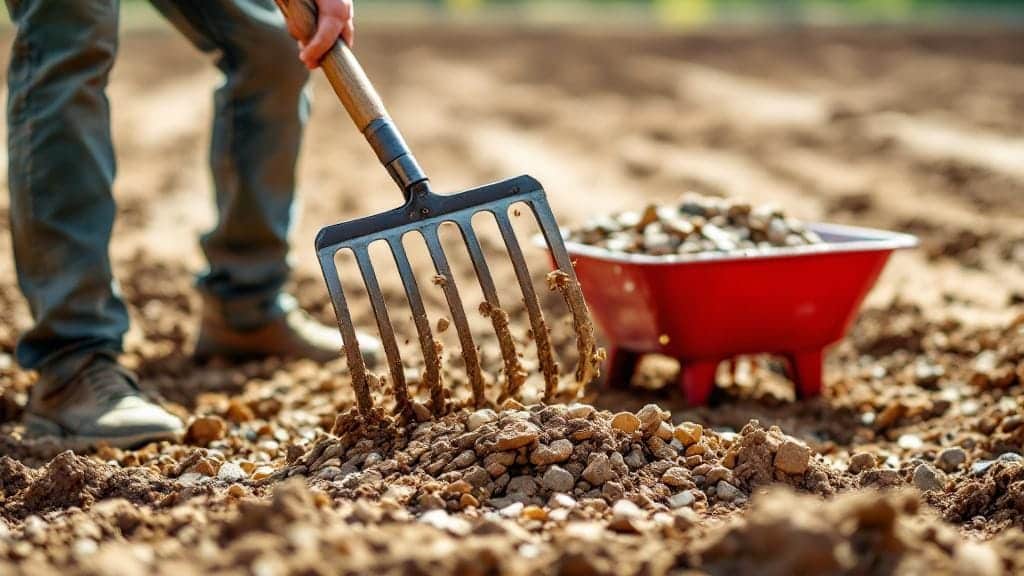
Step-by-Step: How to Get Rocks Out of Your Yard
Step 1: Rake the Surface
Start by removing loose rocks from the surface of your yard. Use a landscape rake or garden rake to pull rocks into piles. Work in sections to make the job more manageable.
Once you’ve gathered the rocks, shovel them into a wheelbarrow or bucket for transport. This step alone can significantly improve the appearance of your yard and make mowing safer.
Step 2: Loosen the Soil
If your yard contains partially buried rocks, use a garden hoe, spade, or mattock to loosen the soil. This helps expose the rocks and makes them easier to lift.
For larger areas, consider using a rototiller to break up compacted soil and bring buried rocks to the surface. After tilling, rake the area again to collect exposed rocks.
Step 3: Remove Large Rocks
For big rocks or buried stones, you’ll need to dig around them first. Loosen the soil around the rock with a shovel, then use a pry bar to lever it out.
If the rock is too heavy to lift manually, roll it onto a dolly or use a hand truck to move it safely. For very large boulders, renting a small tractor or skid steer with a rock bucket can save time and prevent injury.
Step 4: Sift or Screen the Soil
If your soil is full of small stones mixed with dirt, screening is the best way to separate them.
You can purchase a soil sifter or make one using a wooden frame and wire mesh. Place the sifter over a wheelbarrow, shovel soil onto it, and shake gently. The rocks will stay on top while fine soil falls through.
This method is especially useful if you’re preparing garden beds or planting new grass and want smooth, rock-free soil.
Step 5: Collect and Dispose of Rocks
Once you’ve gathered all the rocks, decide whether to reuse, recycle, or dispose of them.
What to Do With the Rocks You Collect
You don’t have to throw away the rocks you remove; there are several ways to repurpose them.
1. Reuse in Landscaping
Rocks can be used creatively around your yard. Consider:
- Creating rock borders or garden edging.
- Building a rock garden or decorative pathway.
- Lining drainage ditches or erosion control areas.
- Using large stones for retaining walls or outdoor seating.
2. Give Them Away or Recycle
If you don’t need the rocks, offer them to neighbors, community gardeners, or landscaping companies. Many people will pick them up for free. You can also check with local recycling centers or construction companies that accept fill rock.
3. Dispose of Them Properly
If reuse isn’t an option, transport rocks to a local landfill or recycling center that accepts yard waste. Some areas charge a small disposal fee, so check regulations beforehand.
How to Prevent Rocks from Returning
Once your yard is clear, you can take steps to keep it that way.
1. Install Landscape Fabric
Lay down a weed barrier or landscape fabric before adding mulch or soil. This prevents rocks from surfacing due to erosion or soil shifting.
2. Add Topsoil or Compost
After rock removal, spread a fresh layer of topsoil or compost. This improves soil quality and creates a smooth planting surface.
3. Improve Drainage
If water erosion brings up rocks, consider grading your yard or installing a drainage system to divert runoff.
4. Regular Maintenance
Periodically inspect your yard after heavy rains or frost heaves. New rocks may surface naturally over time, so occasional raking or hand-picking keeps your yard tidy.
New rocks may surface naturally over time due to the process of frost heaving, where freezing and thawing cycles push stones upward. Occasional raking keeps your yard tidy after winter.
Hiring Professionals vs. DIY
DIY Rock Removal
Doing it yourself is cost-effective for small to medium yards. You’ll only need to invest in tools and your time. The main drawback is the physical effort involved, especially with larger rocks.
Professional Rock Removal
For large properties or rocky soil, hiring professionals may be worth it. Landscapers or excavation companies have specialized equipment and can complete the job quickly.
Typical costs range from:
- $50–$100 per hour for manual removal
- $75–$250 per hour for heavy machinery or tractor work
- $30–$60 per truckload for rock disposal
Professional removal can save you from physical strain, but it adds to your project’s overhead. If you’re clearing the land to replace old stones with new decorative ones, you should also research how much does rock cost to plan your total renovation budget accurately.
Safety Tips for Rock Removal
- Wear gloves and boots to prevent cuts and injuries.
- Lift with your legs, not your back, when handling heavy rocks.
- Take frequent breaks to avoid fatigue.
- Use caution with tools like pry bars or tillers.
- Keep pets and children away from work areas.
Safety should always come first, especially when working with heavy materials or machinery.
Getting rocks out of your yard might seem like hard work, but it’s an achievable and worthwhile project. A rock-free yard is safer, easier to mow, and better for healthy plant growth. Start by assessing your yard, gathering the right tools, and working methodically, raking, digging, sifting, and disposing as you go.
With patience and effort, you’ll have a smoother, cleaner, and more attractive landscape. Whether you choose to do it yourself or hire professionals, removing rocks transforms your outdoor space and sets the stage for lush lawns, vibrant gardens, and enjoyable outdoor living.


