
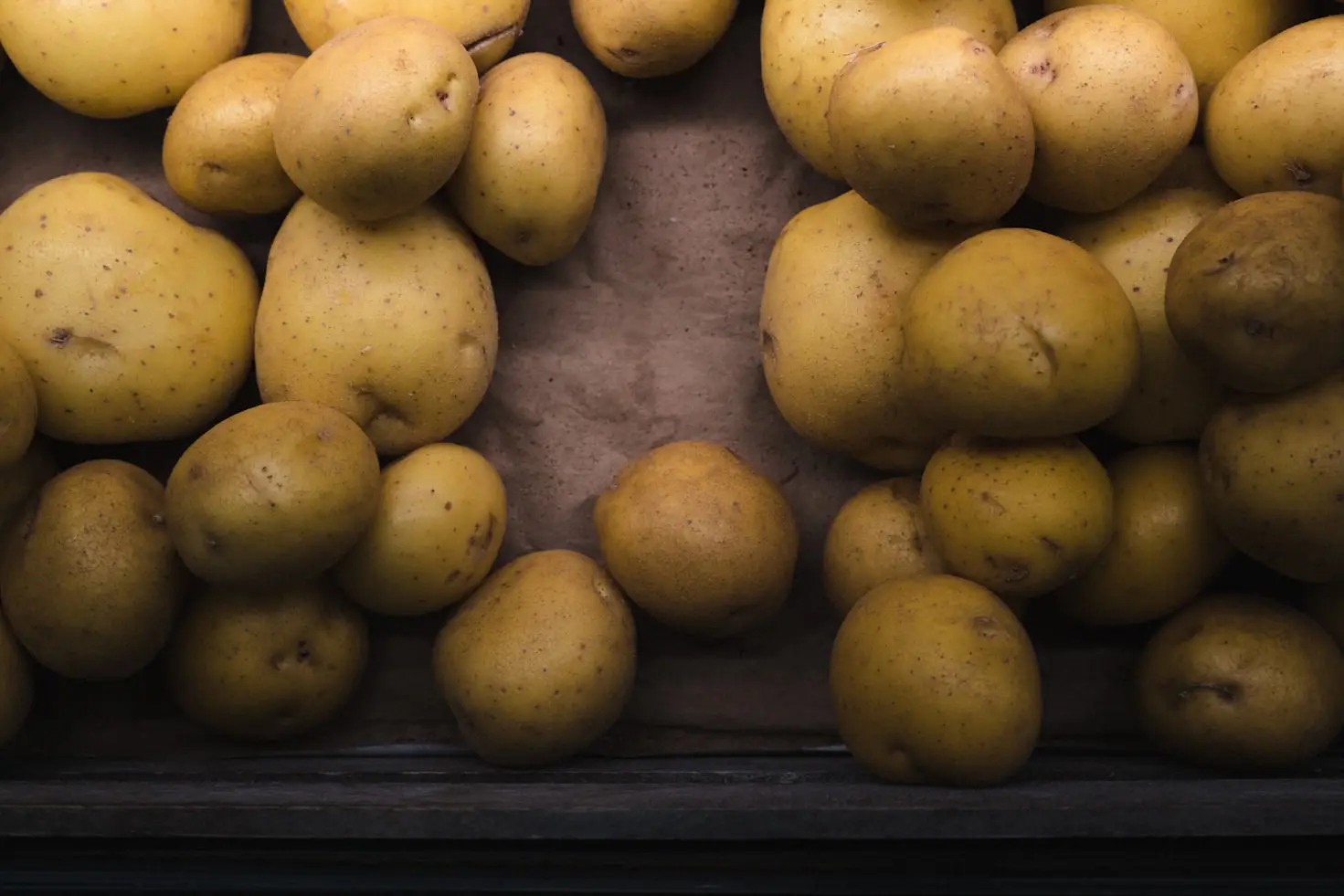

Potatoes are one of the most versatile and rewarding crops for home gardeners, and growing them in raised beds is an excellent way to maximize your harvest while minimizing effort. Raised beds provide excellent drainage, loose soil, and easy access, all of which are ideal for potatoes. Whether you’re a beginner or an experienced gardener, this comprehensive guide covers everything you need to know about planting, nurturing, and harvesting potatoes in raised beds.
Why Grow Potatoes in Raised Beds
Raised beds offer several advantages over traditional in-ground planting. First, they provide well-draining soil, which prevents waterlogging and reduces the risk of diseases such as potato blight and rot. Second, the loose soil in raised beds allows tubers to expand freely, producing larger, straighter potatoes. Third, raised beds warm up faster in the spring, giving your plants a head start on the growing season. Finally, raised beds make it easier to control weeds and pests, reduce bending and kneeling, and facilitate crop rotation, which is essential for healthy, productive soil.
Choosing the Right Potato Variety
There are hundreds of potato varieties, but selecting the right type depends on your climate, taste preferences, and growing season. Potatoes are generally divided into three categories: early, mid-season, and late. Early varieties mature quickly, often in 70–90 days, making them ideal for spring planting. Mid-season potatoes take 90–110 days and are great for summer harvests. Late-season varieties take 110–135 days and store well for winter use. Popular choices include Yukon Gold for creamy texture, Red Pontiac for salads, and Russet Burbank for baking and fries.
When purchasing seed potatoes, always choose certified disease-free tubers from a reputable supplier. Avoid using supermarket potatoes, as they may carry disease or have been treated with sprout inhibitors. Seed potatoes can be whole small tubers or cut into pieces with at least one eye each, which will sprout into new plants.
Always choose certified disease-free tubers. You can explore more about various potato varieties and their uses to find the perfect match for your kitchen needs.
Preparing Your Raised Bed
Proper soil preparation is critical for a successful potato crop. Choose a raised bed at least 12–18 inches deep with good sun exposure. Whether you assemble a pre-made kit or set up a permanent raised bed garden with cinder blocks, potatoes need full sun, ideally 6–8 hours per day. Fill the bed with a loose, well-draining soil mix, ideally composed of 50% garden soil, 30% compost, and 20% coarse sand or peat moss. This mixture ensures fertility, moisture retention, and aeration for tuber development. Avoid compacted or heavy clay soil, as it can inhibit tuber growth and increase disease risk.
Before planting, mix in a balanced organic fertilizer or well-rotted compost to provide essential nutrients. Avoid high-nitrogen fertilizers, which promote leafy growth at the expense of tubers.
Planting Potatoes in Raised Beds
Start by cutting seed potatoes into pieces, each containing at least one eye. Allow the cut pieces to cure for 1–2 days to form a protective layer over the cut surfaces, reducing the risk of rot. Plant seed potatoes with the eyes facing up, spaced 12–15 inches apart, and cover with 3–4 inches of soil. Rows should be about 18–24 inches apart.
For small raised beds, consider staggered or staggered-row planting to maximize space. You can also plant potatoes in vertical layers if the bed is deep enough, leaving 4–6 inches of soil between layers.
Hilling: Key to Potato Success
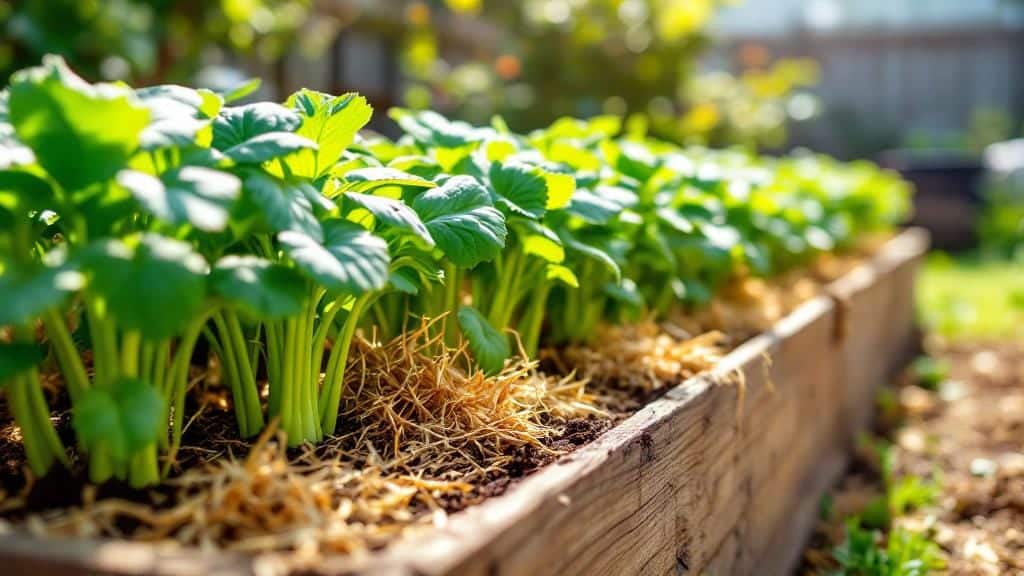
Hilling is the process of piling soil around the stems of potato plants as they grow. This practice is crucial because it encourages tuber formation above the original soil line, prevents greening from sunlight exposure, and supports the plant for taller growth. Begin hilling when plants are about 6–8 inches tall, adding more soil or mulch around the base. Repeat hilling every 1–2 weeks until the bed is filled to the top, creating a loose, fluffy mound that allows tubers to expand freely.
Mulching with straw or shredded leaves is an excellent alternative to soil hilling. Mulch helps retain moisture, suppress weeds, and maintain a consistent soil temperature, all of which contribute to a healthy, high-yield potato harvest.
Watering and Fertilization
Potatoes require consistent moisture, especially during tuber formation. Water deeply once or twice a week, depending on rainfall, ensuring that the soil remains evenly moist but not waterlogged. Drip irrigation or soaker hoses are ideal for raised beds, as they reduce the risk of foliage disease while delivering water directly to the roots.
Fertilization is essential for strong growth and maximum yields. Use a low-nitrogen fertilizer high in potassium and phosphorus, which promotes tuber development. Organic options such as composted manure, bone meal, or kelp meal work well. Fertilize at planting and again midway through the growing season for best results. Avoid over-fertilizing with nitrogen-rich fertilizers, as this encourages leafy growth instead of tuber production.
Pest and Disease Management
Even in raised beds, potatoes can be susceptible to pests and diseases. Common pests include Colorado potato beetles, aphids, and wireworms. Inspect plants regularly and remove pests by hand when possible. Row covers, or mesh, can prevent infestations without chemicals. Beneficial insects such as ladybugs and lacewings also help control aphids naturally.
Fungal diseases like late blight can be devastating. To prevent disease, provide adequate spacing between plants for airflow, avoid overhead watering, and rotate crops each year. Do not plant potatoes or tomatoes in the same spot consecutively, as they are susceptible to similar diseases. Choosing resistant potato varieties also reduces risk.
To prevent disease, provide adequate spacing and rotate crops each year. Since they share similar vulnerabilities, it is also helpful to understand how to plant tomatoes in a raised bed so you can manage your garden layout effectively.
Companion Planting for Potatoes
Companion planting can improve yields, deter pests, and enhance soil health. Plants such as beans, corn, and cabbage make excellent companions for potatoes. If you install a raised bed trellis nearby, vining companion plants can grow upward without taking away valuable ground space from your root crops. However, tomatoes, sunflowers, and peppers should be avoided due to shared susceptibility to pests and diseases. Herbs like basil, parsley, and cilantro can help repel pests and attract beneficial insects. By carefully selecting companions, you create a more balanced and resilient garden ecosystem.
Harvesting Potatoes
Potatoes are typically ready for harvest 10–20 weeks after planting, depending on the variety. Early potatoes can be harvested once plants flower, while main-crop potatoes are left in the ground until the foliage dies back naturally. Use a garden fork to gently lift the soil and remove tubers, taking care not to damage them.
After harvesting, allow potatoes to cure in a cool, dark, and well-ventilated area for 1–2 weeks. This process toughens their skins for storage and prolongs shelf life. Store potatoes in a cool, dark, and humid environment, avoiding sunlight, which can turn tubers green and toxic.
Extending the Growing Season
Raised beds can help extend the growing season by warming soil faster in spring and retaining heat longer into fall. Using row covers, cloches, or cold frames allows you to start potatoes earlier or continue harvesting later in the season. Early-season varieties can be planted under row covers in late winter or early spring, while late-season varieties benefit from the warmth of raised beds into early autumn.
Tips for Success
If you are working with limited space, these urban gardening tips can help you maximize your harvest even on a small balcony or patio. Soil depth matters: Potatoes thrive in at least 12–18 inches of loose, fertile soil, which can be achieved through deep containers or raised beds.
- Sunlight is essential: Ensure your area receives at least 6–8 hours of sunlight daily.
Soil depth matters: Potatoes thrive in at least 12–18 inches of loose, fertile soil.
Sunlight is essential: Ensure your raised bed receives 6–8 hours of sunlight daily.
Hilling is non-negotiable: Regularly mound soil or mulch around stems to protect tubers and encourage growth.
Water consistently: Uneven moisture can lead to misshapen potatoes or disease.
Rotate crops: Avoid planting potatoes in the same bed consecutively to reduce disease pressure.
Mulch for moisture and weed control: Straw, shredded leaves, or composted mulch helps retain soil moisture and suppresses weeds.
Growing potatoes in raised beds is a highly rewarding endeavor that offers superior drainage, easier maintenance, and higher yields compared to traditional garden planting. By choosing the right variety, preparing nutrient-rich soil, hilling regularly, and managing water and pests carefully, you can enjoy a bountiful harvest of fresh, flavorful potatoes with minimal effort. Raised beds not only improve tuber quality and size but also make gardening more accessible and enjoyable. With proper care, planning, and patience, your raised bed potatoes will provide delicious, versatile crops for months, whether for baking, boiling, mashing, or frying.
Raised bed gardening transforms potato growing into a manageable and productive experience, allowing gardeners to cultivate a reliable and abundant harvest every season. By following these guidelines, even beginners can confidently grow potatoes in raised beds and enjoy the satisfaction of digging up homegrown spuds fresh from the garden.


