
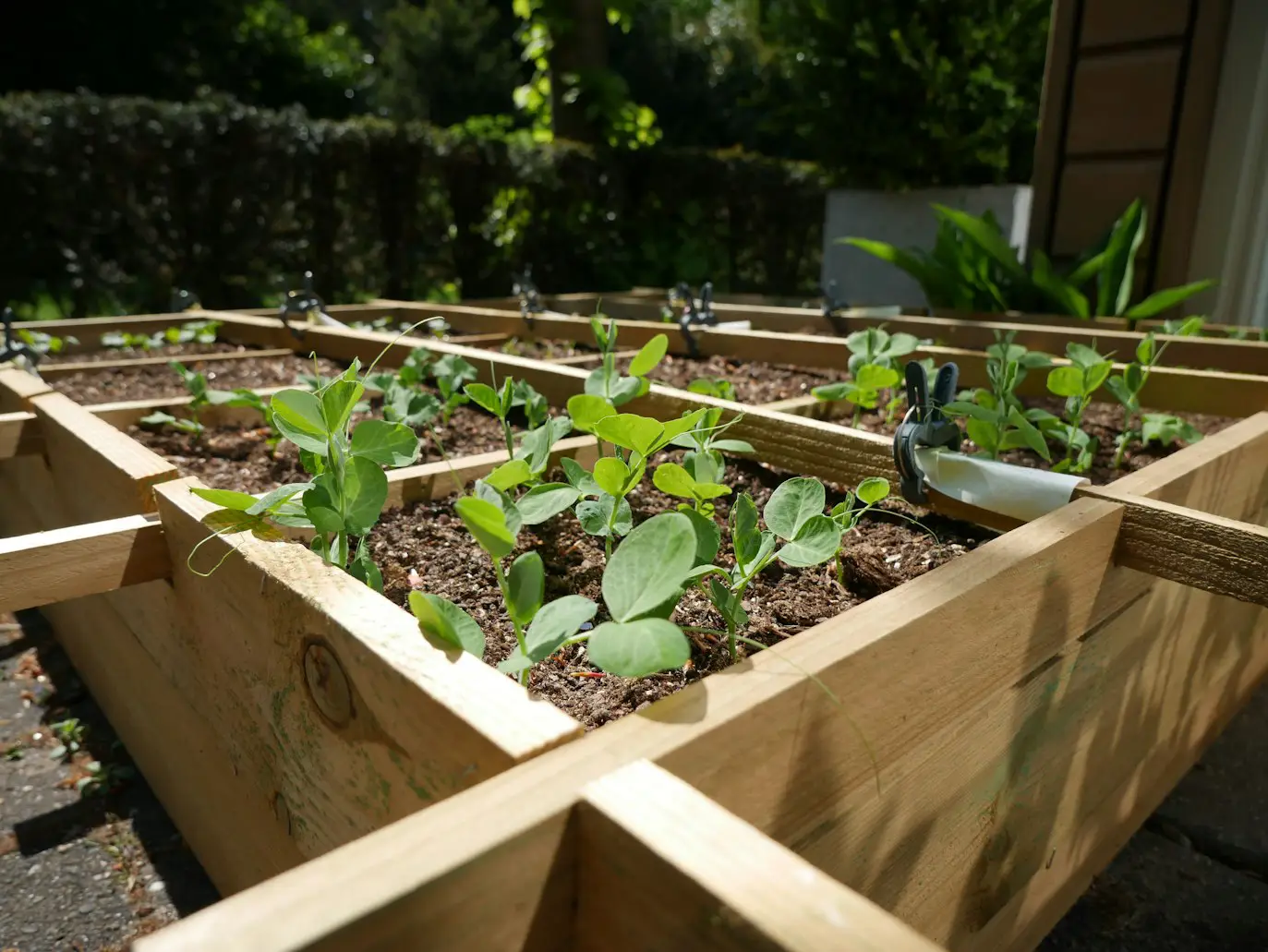

Raised garden beds have become a favorite among gardeners of all levels, offering control, efficiency, and productivity that traditional ground gardens often can’t match. Whether you have limited space, poor soil, or simply want a neater, more manageable garden layout, raised beds can transform your growing experience. But one of the most common questions new gardeners ask is, “What should I grow in my raised garden bed?” The answer depends on your goals, climate, and space, but certain plants thrive exceptionally well in these elevated environments. This guide explores the best vegetables, herbs, flowers, and fruits to grow in raised beds, along with practical tips to maximize your harvest all year long.
Why Raised Beds Are Ideal for Growing
Raised beds offer several advantages that make them perfect for almost any type of plant. The elevated design provides better drainage, preventing root rot and waterlogging, especially in areas with heavy or clay soils. Because you fill raised beds with fresh, high-quality soil, plants grow faster and healthier. The soil warms up earlier in spring, extending the growing season, and the controlled environment allows you to manage weeds and pests more easily. Raised beds also reduce bending and kneeling, making gardening more comfortable. Plus, the ability to organize plants neatly and rotate crops efficiently adds both beauty and practicality to your growing space.
Plus, the ability to organize plants neatly adds both beauty and practicality. Whether you are setting up a budget-friendly Aldi raised garden bed or building a custom timber frame, you can explore more technical details about raised-bed gardening to see why it’s the preferred choice for modern gardeners.
Choosing What to Grow
The best plants for raised beds are those that benefit from good drainage, loose soil, and concentrated nutrient availability. When you are deciding what exactly to grow in the garden this season, vegetables, herbs, and flowers that prefer well-aerated soil thrive in these conditions. When deciding what to plant, consider your goals: do you want a kitchen garden full of fresh produce, an ornamental bed bursting with blooms, or a combination of both? Raised beds can accommodate everything from salad greens to strawberries to sunflowers, as long as you plan spacing and rotation carefully.
Best Vegetables for Raised Beds
Vegetables are the top choice for raised beds because they grow faster and yield more in nutrient-rich soil.
1. Leafy Greens: Lettuce, spinach, kale, and Swiss chard are ideal for raised beds. They have shallow roots, allowing you to plant them densely for maximum yield. Raised beds also make it easy to protect tender greens from pests using covers or mesh.
2. Root Vegetables: Carrots, radishes, beets, and parsnips grow exceptionally well in loose, rock-free raised bed soil. Because you can control soil texture and depth, roots grow straight and uniform without obstruction.
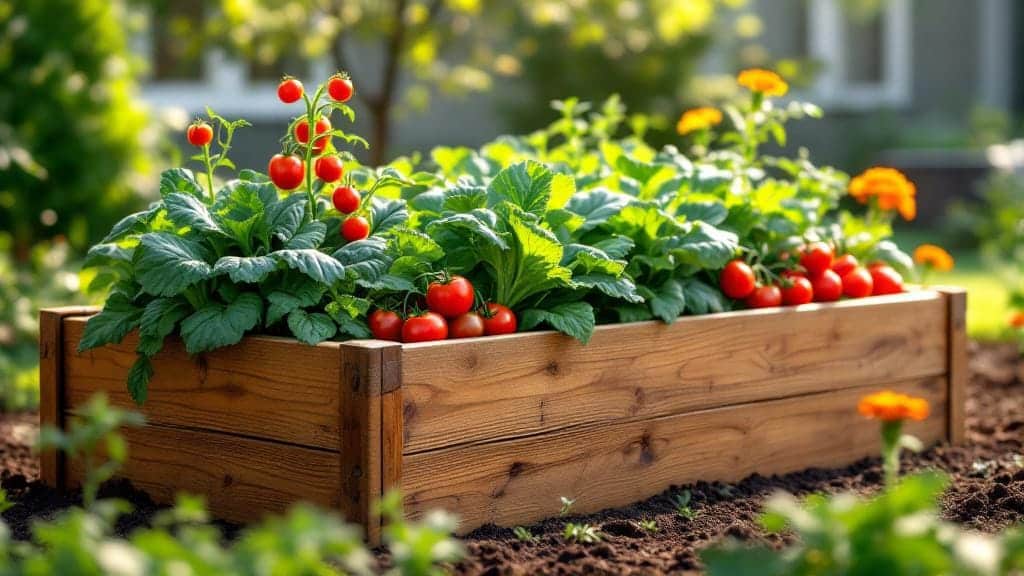
3. Tomatoes: One of the most popular raised bed crops, tomatoes love the warmth and drainage raised beds provide. Choose determinate (bush) varieties for smaller beds or indeterminate (vining) types if you have trellises or supports.
4. Peppers: Both sweet and hot peppers thrive in the warm, fertile soil of raised beds. They enjoy consistent moisture and benefit from the extra warmth the beds retain through the growing season.
5. Cucumbers: These vining plants love the aerated, rich soil of raised beds. Train them on vertical trellises to save space and improve airflow.
6. Beans: Pole beans and bush beans grow equally well in raised beds. They fix nitrogen in the soil, benefiting nearby crops, and require minimal maintenance once established.
7. Onions and Garlic: Raised beds are perfect for these crops because they prefer well-drained soil. Plant them in fall or early spring for a steady harvest later in the season.
8. Zucchini and Squash: These heavy producers appreciate the nutrient-rich environment of raised beds. Choose compact or bush varieties if space is limited, and harvest frequently to encourage new fruit.
9. Potatoes: Raised beds make potato growing easy and clean. As plants grow, add layers of soil to encourage more tuber production. Harvesting is simple—just dig through the loose soil.
10. Herbs: Basil, parsley, chives, dill, cilantro, and thyme all thrive in raised beds. You can interplant herbs among vegetables to deter pests and add fragrance to your garden.
Best Fruits for Raised Beds
Many fruiting plants flourish in raised beds, especially those that prefer excellent drainage and warm roots.
1. Strawberries: Perhaps the best fruit for raised beds, strawberries love loose, fertile soil and benefit from good drainage. They’re easy to maintain and produce abundant fruit for several years.
2. Blueberries: These acid-loving shrubs thrive in raised beds filled with soil adjusted to a lower pH. They require minimal maintenance once established and yield delicious, antioxidant-rich fruit.
3. Raspberries and Blackberries: Planting these berries in raised beds keeps their spreading roots under control. They prefer sunny spots and reward you with sweet summer harvests.
4. Dwarf Fruit Trees: Compact apple, peach, or citrus trees can grow beautifully in deep raised beds or large containers. Choose dwarf or semi-dwarf varieties and prune regularly to maintain size.
5. Melons: Cantaloupes and watermelons can thrive in raised beds if given plenty of sunlight and nutrient-rich soil. Train vines up sturdy supports to save space and promote even ripening.
Best Flowers for Raised Beds
Raised beds aren’t just for vegetables; flowers add color, attract pollinators, and can even improve vegetable yields.
1. Marigolds: These cheerful, pest-repelling flowers are a must-have in any raised-bed garden. They deter aphids, nematodes, and other harmful insects.
2. Nasturtiums: Edible and beautiful, nasturtiums trail gracefully over the edges of raised beds. They attract beneficial insects and add peppery flavor to salads.
3. Zinnias: Long-lasting blooms and bright colors make zinnias perfect for adding height and cheer to raised beds. They also attract butterflies and bees.
4. Calendula: Known as pot marigold, calendula blooms prolifically and has edible petals with anti-inflammatory properties. It grows well in cooler weather, extending your bloom season.
5. Cosmos: Tall, airy cosmos plants add grace and movement to your garden while attracting pollinators. They thrive in poor soil, making them low-maintenance additions.
6. Lavender: This aromatic herb produces beautiful purple blooms and repels pests. It prefers full sun and well-drained soil, both easily achieved in raised beds.
7. Petunias: Easy to grow and vibrant, petunias flower from spring through fall and can fill gaps between vegetable crops for extra color.
Companion Planting in Raised Beds
One of the greatest advantages of raised beds is the ability to practice companion planting, a method of growing compatible plants together for mutual benefit. For example, plant basil near tomatoes to enhance flavor and repel pests, or grow carrots beside onions to deter carrot flies. Marigolds and nasturtiums planted alongside vegetables act as natural pest deterrents. Combining flowers and herbs among your vegetables promotes a healthy, balanced ecosystem within your raised bed.
Seasonal Planting for Continuous Harvests
To make the most of your raised bed, plan for succession planting, the practice of sowing new crops as soon as old ones are harvested. Start with cool-weather vegetables such as lettuce, peas, and radishes in early spring. Replace them with heat-loving crops like tomatoes, cucumbers, and beans for summer. As the season cools, plant fall crops such as kale, carrots, and spinach. In mild climates, you can grow year-round by rotating between seasonal vegetables and hardy herbs.
Tips for Success in Raised Bed Gardening
To get the best results, fill your raised beds with a high-quality soil mix—about 60% topsoil, 30% compost, and 10% coarse sand or perlite for drainage. Add organic matter each season to maintain fertility. Water deeply but less frequently to encourage strong root systems, and mulch the surface with straw or leaves to retain moisture and prevent weeds. Rotate crops each year to avoid nutrient depletion and pest buildup. If possible, install drip irrigation or soaker hoses to simplify watering and reduce evaporation.
To simplify care, installing a proper system is essential. Learn the best techniques in our guide to efficient plant bed watering to ensure your raised garden stays healthy without wasting water.
Designing Your Raised Bed Layout
When arranging plants, consider their mature sizes, sunlight needs, and compatibility. Tall plants like tomatoes or sunflowers should go at the north end of the bed so they don’t shade smaller crops. Plant sprawling crops such as cucumbers or squash along the edges where they can spill over. Group herbs and greens near the edges for easy access when cooking. Mixing different colors, textures, and heights also creates an attractive and productive garden design. If you are using a DIY cinder block raised bed or a traditional wooden structure, you can easily incorporate some rock garden tips by placing decorative stones or small boulders around the corners to give the entire setup a professional, landscaped feel.
A raised garden bed is one of the most efficient and rewarding ways to grow your own food and flowers. With thoughtful planning, you can enjoy a continuous harvest of vibrant vegetables, fragrant herbs, sweet fruits, and cheerful blooms all season long. Plants like lettuce, tomatoes, strawberries, and marigolds thrive in raised beds, providing both beauty and productivity with minimal effort. Whether you’re an experienced gardener or just starting, raised beds offer flexibility, control, and higher yields than traditional gardens.
By experimenting with combinations of vegetables, flowers, and herbs, you’ll discover the joy of cultivating a thriving ecosystem in your own backyard. From fresh salads in spring to colorful flowers in fall, raised bed gardening gives you the tools to grow abundantly and beautifully every year.


