
There’s something deeply satisfying about stepping into your garden, snipping a handful of blooms, and arranging them into a vase for your home. A cut flower garden allows you to enjoy nature’s beauty indoors, filling your home with color, fragrance, and freshness all season long. The best part is that you don’t need acres of land or specialized skills, just a bit of planning and the right selection of flowers. Whether you want to grow romantic roses, cheerful zinnias, or elegant lilies, this guide will help you choose the best flowers for a productive, beautiful cut garden.
Why Grow a Cut Flower Garden
Growing your own cut flowers offers multiple benefits beyond aesthetics. You save money compared to buying bouquets regularly, and you get continuous blooms from early spring through frost. Cut flower gardens also attract pollinators such as bees and butterflies, enhancing biodiversity in your yard. Moreover, you have the freedom to grow your favorite colors, textures, and fragrances, creating arrangements that reflect your personal style. Gardening for cut flowers is also a mindful, relaxing hobby that connects you with the rhythms of nature.
Planning Your Cut Garden
Before choosing flowers, consider sunlight, soil, and space. Growing flower plants in home garden setups requires at least 6 hours of sunlight daily, though some shade-tolerant varieties can fill in darker corners. Ensure your soil is rich, well-draining, and regularly amended with compost to promote strong stems and abundant blooms. Plan for succession planting so that as one set of flowers fades, another begins to bloom. Mixing annuals and perennials gives your garden both immediate and long-term results. Annuals provide quick color, while perennials return year after year.
A cutting patch is a functional part of a larger garden design. To see how these varieties fit into a broader outdoor aesthetic, browse our guide on the best garden flowers to brighten your landscape for year-round beauty.
Best Annual Flowers for a Cut Garden
Annual flowers are the backbone of most cutting gardens because they bloom profusely throughout the growing season. They’re perfect for beginners and allow flexibility to experiment with colors and forms each year.
Zinnias are among the easiest and most rewarding flowers to grow for cutting. Available in nearly every color, zinnias produce large, long-lasting blooms that thrive in warm, sunny conditions. Varieties like the ‘Benary’s Giant’ and ‘Oklahoma’ series are ideal for bouquets.
Cosmos bring light, airy beauty to arrangements. Their feathery foliage and daisy-like flowers in shades of pink, white, and purple add movement and texture. They bloom continuously if you keep cutting them.
Sunflowers are iconic for summer bouquets. Choose branching varieties such as ‘Autumn Beauty’ or ‘ProCut Orange’ for multiple blooms per plant. Dwarf types like ‘Teddy Bear’ work well in smaller gardens or containers.
Snapdragons offer tall spikes of colorful blooms that last a long time in vases. They come in shades of red, pink, yellow, and white, providing structure and height to arrangements.
Sweet peas are cherished for their fragrance and delicate petals. They climb trellises easily and make charming additions to early summer bouquets. Keep them well-watered and harvest regularly to prolong flowering.
Celosia provides a unique texture with its velvety, flame-like plumes. Its vivid colors orange, magenta, and gold—make it a standout in mixed arrangements and dry beautifully for lasting displays.
Nigella (love-in-a-mist) offers soft, ethereal flowers surrounded by fine, lacy foliage. The seed pods also add interest to late-summer bouquets and dried arrangements.
Best Perennial Flowers for a Cut Garden
Perennials return each year, providing structure and reliability in your cut flower patch. They often bloom in cycles, complementing the fast-growing annuals.
Peonies are a must-have in any cut flower garden. Their large, luxurious blooms and sweet fragrance make them perfect for spring arrangements. They need patience, often taking a couple of years to reach full maturity, but their payoff is worth the wait.
Echinacea (Coneflower) brings daisy-like flowers in shades of purple, pink, and white. Long-lasting in bouquets, they also attract pollinators and thrive in sunny, well-drained soil.
Shasta daisies offer classic simplicity. Their cheerful white petals and yellow centers pair well with almost any other flower, brightening both gardens and vases.
Liatris (Blazing Star) provides vertical spikes of purple or white blooms that add texture and height to arrangements. They’re long-lasting and ideal for summer bouquets.
Phlox gives dense clusters of fragrant flowers that come in a rainbow of shades. It works well as a filler in mixed arrangements and blooms heavily in mid to late summer.
Rudbeckia (Black-eyed Susan) delivers warm golden tones and cheerful blooms that last a long time in vases. They’re low-maintenance and drought-tolerant, making them perfect for busy gardeners.
Lupines bring tall, elegant spikes of flowers in pinks, purples, and blues. They offer a cottage-garden charm and look stunning in both fresh and dried arrangements.
Best Bulbs and Tubers for Cutting
Many of the most elegant and showy cut flowers come from bulbs or tubers. Plant them in spring or fall for staggered blooms.
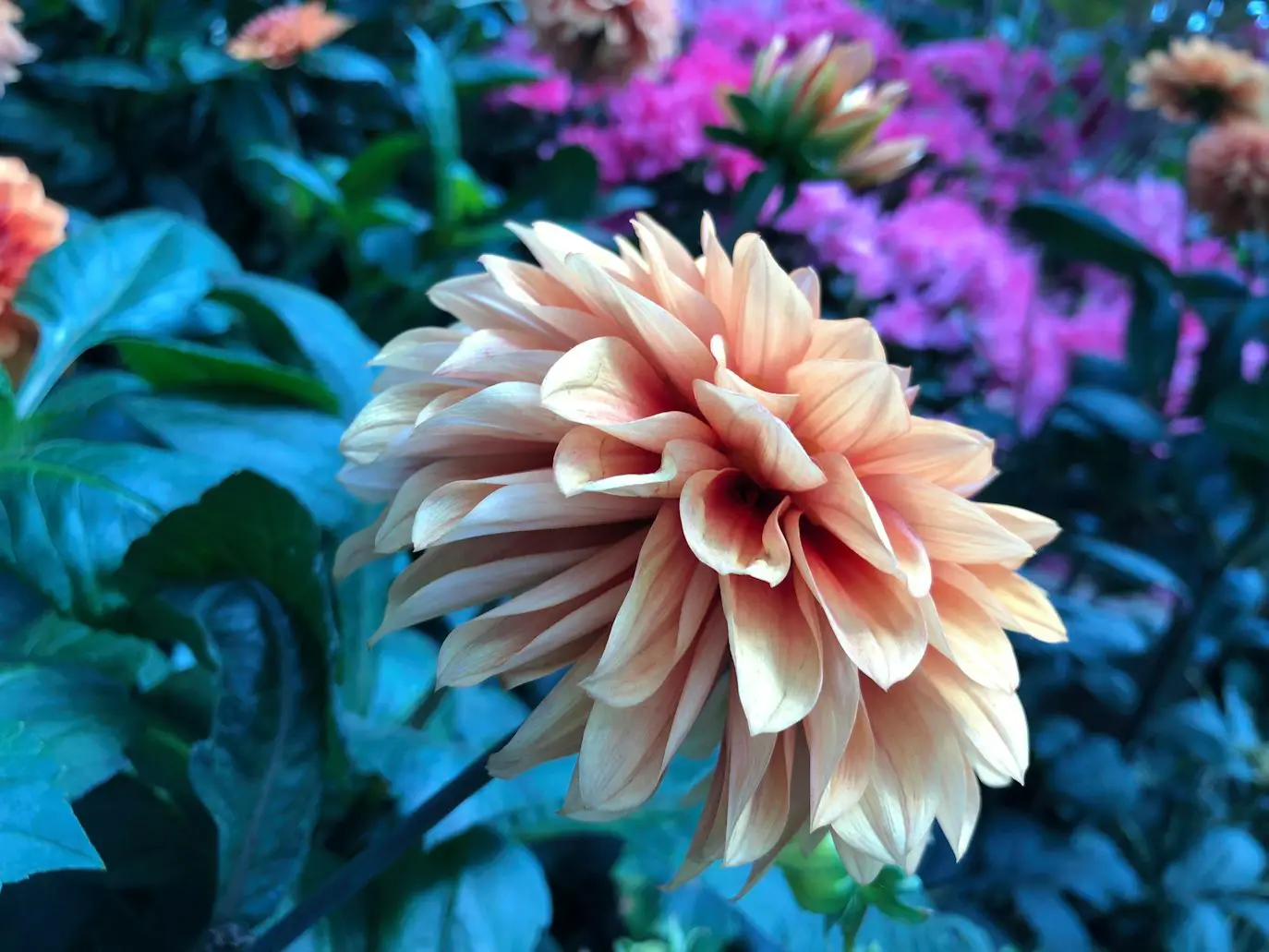
Dahlias are perhaps the stars of the cut flower world. With a vast array of shapes, sizes, and colors, they provide abundant blooms from midsummer until frost. Varieties like ‘Cafe au Lait,’ ‘Thomas Edison,’ and ‘Bishop’s Children’ are favorites for bouquets.
Tulips bring vibrant color in spring and look striking alone or mixed with daffodils and ranunculus. Plant bulbs in the fall for early-season harvests.
Ranunculus offer exquisite, rose-like blooms in bright shades of red, pink, orange, and white. They have long, strong stems and are prized by florists for their elegance.
Gladiolus provides tall spikes of blooms that make dramatic vertical accents in arrangements. Stagger planting every two weeks to ensure a continuous harvest through summer.
Lilies such as Asiatic and Oriental types bring both fragrance and sophistication. Their large blooms last well in vases, and varieties like ‘Stargazer’ add a touch of drama.
Foliage and Filler Plants
A truly great bouquet is more than just flowers; it’s about contrast, texture, and structure. Incorporating foliage and filler plants adds depth and balance to arrangements.
Dusty Miller provides silvery, velvety leaves that contrast beautifully with brightly colored blooms.
Eucalyptus is a florist’s favorite, adding fragrance and long-lasting greenery that works fresh or dried.
Ferns offer delicate fronds perfect for softening the edges of arrangements, especially in shade gardens.
Ammi majus (Queen Anne’s Lace) brings light, airy clusters of white flowers that make bouquets appear fuller and more romantic.
Salvia and basil (ornamental varieties) contribute both scent and spikes of color that pair wonderfully with zinnias, roses, or dahlias.
Planting and Maintenance Tips
When growing for cutting, succession planting is essential. Sow seeds or plant bulbs in intervals, so you have continuous blooms throughout the season. Regularly harvesting flowers encourages more growth, as many plants produce new buds after being cut.
Water consistently, especially during dry periods, but avoid overwatering, which can cause weak stems. Mulch around plants to retain moisture and suppress weeds. Feed your flowers with a balanced fertilizer every few weeks to support healthy, vigorous growth.
Support tall flowers like dahlias, gladiolus, and sunflowers with stakes or cages to prevent bending. Cut blooms early in the morning when they are well-hydrated, and immediately place them in water. Strip leaves that would sit below the waterline in vases to extend vase life and prevent bacterial growth.
To maximize the longevity of your bouquet, understanding the post-harvest physiology of cut flowers is key, as it helps prevent early wilting and bacterial growth in the vase. For even better results, consider using a spray for fresh-cut flower preservation, which helps maintain freshness, enhances bloom appearance, and extends vase life after harvesting.
Designing and Arranging Your Bouquets
A thriving cut flower garden gives you endless possibilities for creative arrangements. Combine flowers of different heights, textures, and colors for visual interest. Use tall focal flowers like dahlias or lilies, mid-height fillers such as zinnias or phlox, and airy accents like cosmos or eucalyptus to complete the look.
Experiment with color harmony pastel combinations for a soft, romantic look or bold contrasts for dramatic displays. Don’t forget fragrance; pairing scented blooms like sweet peas, roses, and lavender creates sensory delight.
For longevity, change vase water daily, recut stems at an angle, and remove fading blooms to keep arrangements looking fresh.
A cut flower garden brings the beauty of nature to your doorstep, offering not only stunning bouquets but also the joy of nurturing life from seed to bloom. By combining annuals, perennials, bulbs, and foliage, you can enjoy a continuous parade of color and fragrance from spring through autumn. With careful planning and regular cutting, your garden will reward you with abundant blooms to share and display.
Growing your own cut flowers connects you to the cycles of nature and brings daily moments of peace. When we take the time to nurture our garden spaces, we bring a sense of satisfaction and creativity into our homes that only fresh, homegrown blooms can provide. Whether you’re filling a single vase on your kitchen table or creating grand floral displays, the simple act of cutting fresh flowers from your garden is one of gardening’s greatest pleasures.


