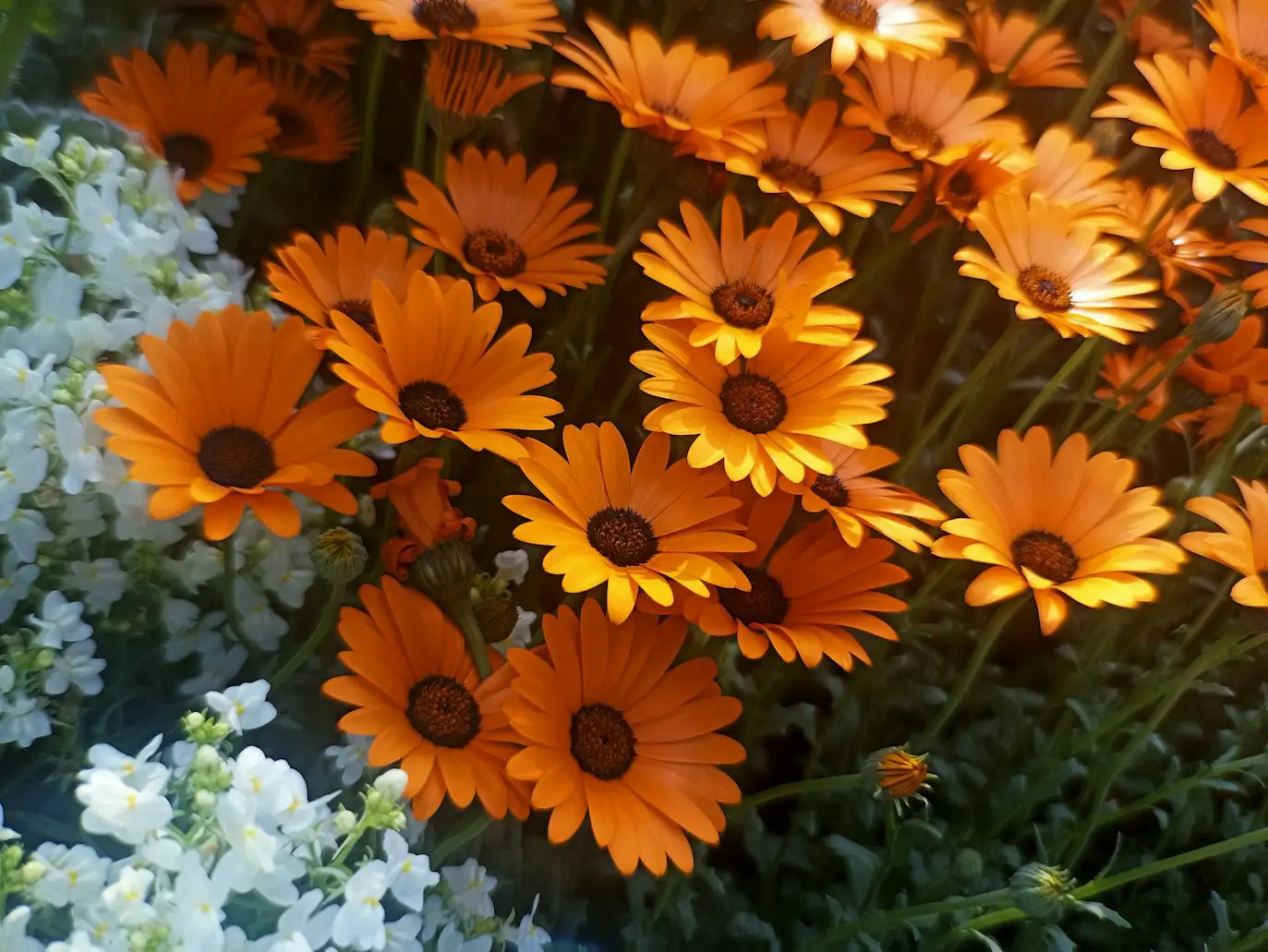

A garden drenched in sunlight offers endless possibilities for color, fragrance, and beauty. Full-sun areas, those receiving at least six hours of direct sunlight per day, are perfect for growing some of the most vibrant and hardy flowering plants. While not all flowers thrive under intense sunlight and heat, many species flourish when bathed in it. These sun-loving flowers reward gardeners with continuous blooms, attract pollinators, and withstand the challenges of summer heat. Whether you’re designing a border, filling outdoor planters, or cultivating a cutting garden, choosing the right flowers for full sun ensures lasting success and color throughout the growing season.
Selecting the right species is the first step toward a maintenance-free landscape. For a broader look at top-performing varieties, explore our comprehensive list of the best outdoor plants and flowers that thrive in various garden conditions.
Understanding Full Sun Conditions
Full sun doesn’t just mean light; it also means heat, reflected glare, and often dry soil. Plants that grow best in these conditions typically have adaptations that help them conserve moisture, such as thick or waxy leaves, silvery surfaces, or deep root systems. When choosing flowers for sunny locations, consider your region’s climate, soil type, and water availability. A flower that thrives in a dry, sunny garden in Arizona might struggle in the humid heat of Alabama or Florida. Grouping plants with similar sunlight and moisture needs makes maintenance easier and promotes healthier growth.
The key to success in a full-sun garden is balance: providing enough water during dry spells, mulching to retain moisture, and fertilizing appropriately to support strong flowering. With these practices in place, your sunny garden can thrive from early spring to late fall.
Classic Sun-Loving Annuals
Annual flowers are the backbone of many full-sun gardens. They complete their life cycle in one season but deliver months of bright color and abundant blooms.
Petunias (Petunia spp.) are a favorite among gardeners for their continuous flowering and variety of colors. They thrive in hanging baskets, window boxes, and garden beds. Modern hybrids, like the Wave or Supertunia series, are heat-tolerant and self-cleaning, meaning less deadheading and more vibrant blooms all season long.
Marigolds (Tagetes spp.) are another sun garden staple. Their golden-yellow, orange, and red blossoms radiate warmth and repel common garden pests like nematodes and aphids. African marigolds grow tall with large pom-pom flowers, while French marigolds are compact and ideal for borders or containers.
Zinnias (Zinnia elegans) love the sun and produce vivid blooms in a spectrum of colors from bright pinks and reds to yellows, oranges, and even green. They are fast-growing and attract butterflies, making them excellent for pollinator gardens. They prefer warm weather and resist drought once established.
Cosmos (Cosmos bipinnatus and Cosmos sulphureus) offer delicate, daisy-like flowers on tall, airy stems. They add movement and grace to sunny borders and thrive in poor, well-drained soils. Cosmos also self-seeds easily, providing blooms year after year with minimal effort.
Lantana (Lantana camara) is a heat-loving annual or perennial, depending on your climate. Its clusters of multicolored flowers, often pink, yellow, and orange, are irresistible to butterflies. Lantana tolerates drought and salty conditions, making it an excellent choice for coastal or arid gardens.
Portulaca (Moss Rose) is perfect for hot, dry spots. This low-growing succulent produces cup-shaped flowers in shades of pink, yellow, and orange. It’s ideal for edging walkways or spilling over the edges of rock walls and containers. If you want to introduce unique shapes to your landscape, learning how to include the exotic Chinese parasol flower grow a garden method allows you to add structural depth and dramatic tropical foliage that handles intense light beautifully.
Perennials that Love the Sun
Perennial flowers return year after year, providing lasting structure and color to full-sun landscapes. They often have deep root systems that help them survive heat and dry spells.
Coreopsis (Coreopsis spp.) is a cheerful, daisy-like flower that blooms profusely through summer. Known for its bright yellow or gold flowers, it thrives in poor soil and tolerates drought, making it perfect for low-maintenance gardens.
Blanket Flower (Gaillardia pulchella) brings warm, sunset shades of red, orange, and yellow to sunny gardens. It’s a long-blooming perennial that thrives in sandy, well-drained soil and provides a steady supply of color even in mid-summer heat.
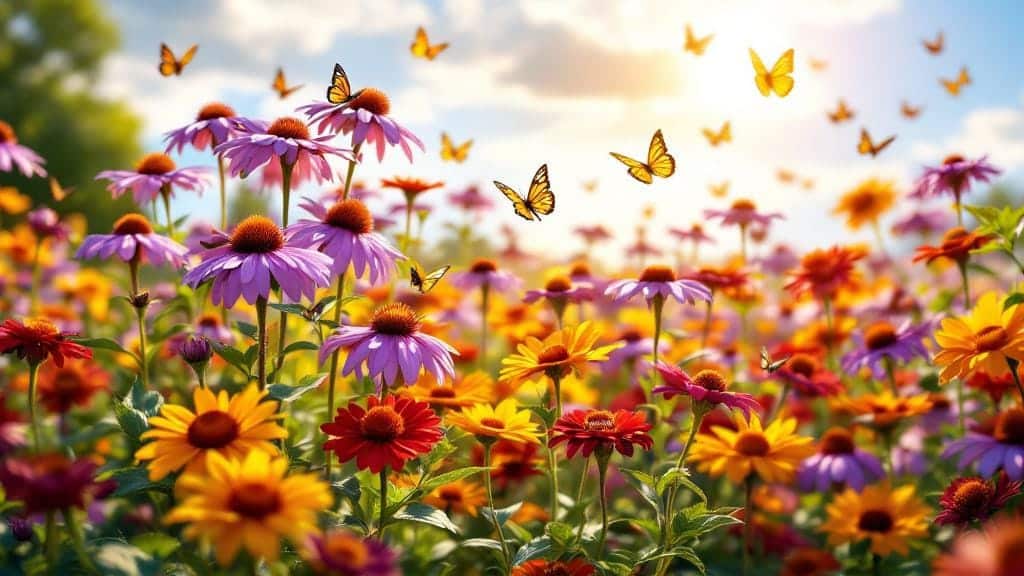
Echinacea (Coneflower) is a classic prairie flower that stands tall and proud in full sun. Its large, daisy-like blooms in purple, pink, white, or orange attract butterflies and bees. Echinacea is hardy, drought-tolerant, and makes excellent cut flowers.
Black-eyed Susan (Rudbeckia hirta) is another iconic sun-loving perennial. Its golden-yellow petals with dark centers brighten any garden and bloom from midsummer into fall. They are also a favorite of bees and butterflies.
Daylilies (Hemerocallis spp.) are incredibly tough and versatile. They tolerate full sun, drought, and neglect, producing colorful trumpet-shaped blooms in nearly every shade imaginable. Modern hybrids offer extended bloom periods and a variety of flower sizes.
Salvia (Salvia splendens and Salvia nemorosa) provides vertical spikes of color in shades of blue, purple, red, and pink. It’s drought-tolerant once established and loved by pollinators, especially hummingbirds and bees.
Lavender (Lavandula spp.) is not only visually stunning but also fragrant. Its silvery foliage and purple blooms thrive in hot, dry, sunny spots with well-drained soil. Lavender is perfect for Mediterranean-style gardens or mixed with roses and ornamental grasses.
Drought-Tolerant Flowers for Hot, Sunny Gardens
Not all sunny spots have easy access to water. Fortunately, many flowers can handle prolonged heat and dryness while still providing beauty.
Yarrow (Achillea millefolium) is a tough perennial with flat clusters of small flowers in white, yellow, pink, or red. Its fern-like foliage and long bloom season make it valuable for sunny, low-water gardens.
Russian Sage (Perovskia atriplicifolia) produces airy, lavender-blue flower spikes on silvery stems. It’s heat- and drought-tolerant and looks stunning paired with ornamental grasses or roses.
Sedum (stonecrop) varieties are succulent perennials that store water in their fleshy leaves. Autumn Joy and similar types produce pink to bronze flower clusters in late summer, providing interest well into fall.
Gaura (Gaura lindheimeri) adds a whimsical touch with its delicate, butterfly-like flowers on tall, wiry stems. It thrives in full sun and poor soil, adding movement and lightness to sunny borders.
Blanket flower and coreopsis, mentioned earlier, also belong in this category; they thrive even in the hottest, driest summers.
Flowers for Pollinator-Friendly Sunny Gardens
Sun gardens are magnets for pollinators when planted with nectar-rich flowers. These blooms not only enhance your garden’s beauty but also support bees, butterflies, and hummingbirds.
Sun gardens are naturally attractive to insects, but following specific design principles for a pollinator garden can significantly increase the diversity of bees and butterflies visiting your space.
Bee balm (Monarda didyma) loves full sun and produces clusters of tubular flowers in red, pink, or purple. It’s an essential plant for attracting pollinators and can be used in both cottage gardens and naturalized areas.
Sunflowers (Helianthus annuus) are synonymous with sunshine. They’re tall, cheerful, and perfect for garden backdrops or fences. Beyond their beauty, they provide food for birds and pollinators.
Butterfly bush (Buddleja davidii) is a hardy perennial shrub covered in fragrant flower clusters that attract butterflies and bees all summer long. It performs best in full sun and well-drained soil. Similarly, integrating the resilient manuka flower grow a garden framework that brings in prized honeybees, adding a stunning evergreen medicinal shrub to your landscape that bursts with pink and white sun-loving petals.
Combining Sun-Loving Flowers in Design
When designing a full-sun flower garden, aim for a mix of heights, colors, and textures. Use tall perennials like coneflowers or sunflowers as background plants, medium-height bloomers like coreopsis and black-eyed Susans in the middle, and low-growing varieties like portulaca or lantana at the front. Combining annuals and perennials ensures a succession of blooms throughout the season.
For containers, choose a mix of “thrillers” (tall plants like salvia), “fillers” (mid-sized bloomers like zinnias or petunias), and “spillers” (trailing flowers like calibrachoa or sweet potato vine). This creates depth and visual interest even in small spaces.
Mulching around flowers helps conserve moisture, reduce weeds, and regulate soil temperature—an essential step for sunny gardens. Regular deadheading keeps plants blooming longer, and deep, infrequent watering encourages stronger root systems.
A full-sun garden is one of the most rewarding to cultivate. With the right flowers, you can turn even the hottest, brightest spot into a flourishing landscape of color and life. From annual favorites like zinnias and petunias to hardy perennials like coneflowers and lavender, sun-loving plants bring beauty and resilience to your outdoor space. By choosing drought-tolerant varieties, grouping plants with similar needs, and caring for your soil and water levels, you can enjoy vibrant blooms from spring through fall. Full sun doesn’t have to be a challenge, it’s an opportunity to create a garden that glows with warmth, energy, and joy all season long.


