

There is nothing more frustrating than spending your weekends tending to your garden, only to wake up and find it looking like a disaster zone. Among all the garden pests you might encounter in your garden, raccoons are arguably the most notorious. Raccoons are arguably the most notorious. With their ‘masked’ faces and clever paws, these little bandits are more than just a nuisance; they’re highly intelligent scavengers that can undo weeks of hard work in a single night.
Whether they’re raiding your corn patches, digging up freshly planted seeds, or tipping over compost bins like they’re searching for treasure, raccoons can be a real headache. But while they are smart and even a bit charming from a distance, your garden doesn’t have to be their midnight snack bar. The key to protecting your plants isn’t about fighting them; it’s about outsmarting them with humane, clever strategies.
In this guide, we’ll show you exactly how to spot the signs of raccoon activity, what’s drawing them to your yard in the first place, and the most effective ways to deter them for good without ever causing them harm.
Understanding Raccoon Behavior
To keep raccoons out, you need to understand what drives them. Raccoon behavior is shaped by the fact that they are opportunistic omnivores; they’ll eat almost anything.
Raccoons are opportunistic omnivores; they’ll eat almost anything: fruits, vegetables, insects, eggs, pet food, and even garbage. Their nimble paws and problem-solving brains make them surprisingly good at opening latches, lifting lids, and climbing fences.
They’re nocturnal, meaning most garden raids happen after dark, and they’re especially active in late summer and fall, when they’re fattening up for winter.
Recognizing their habits helps you build defenses that anticipate their moves.
Signs of Raccoons in the Garden
How can you tell if raccoons, not rabbits or deer, are responsible for your garden troubles?
Look for these clues:
- Tipped-over containers or birdbaths: Raccoons love water and often wash food before eating.
- Half-eaten corn cobs or fruits: They strip kernels neatly or bite into multiple fruits.
- Digging overturned sod: searching for insects and worms.
- Footprints: Five-toed prints resembling tiny human hands.
- Scat (droppings): Usually tubular and may contain seeds or berry remnants.
If your garden looks like a small-scale excavation site overnight, raccoons are likely the culprits.
Why Raccoons Love Your Garden
Raccoons are drawn by food, water, and shelter, the essentials of survival. Gardens often provide all three:
- Food Sources
- Ripe fruits, sweet corn, melons, berries, and vegetables.
- Pet food left outside overnight.
- Open compost bins containing scraps.
- Birdseed or chicken feed.
- Water Sources
- Birdbaths, ponds, or pet water dishes.
- Leaky hoses or irrigation systems.
- Shelter
- Brush piles, sheds, or crawl spaces provide daytime hiding spots.
Removing or managing these attractants is the first step in keeping raccoons away.
Step 1: Eliminate Food and Water Sources
Raccoons are less likely to stay if your garden offers nothing to eat or drink.
Secure Your Garbage and Compost
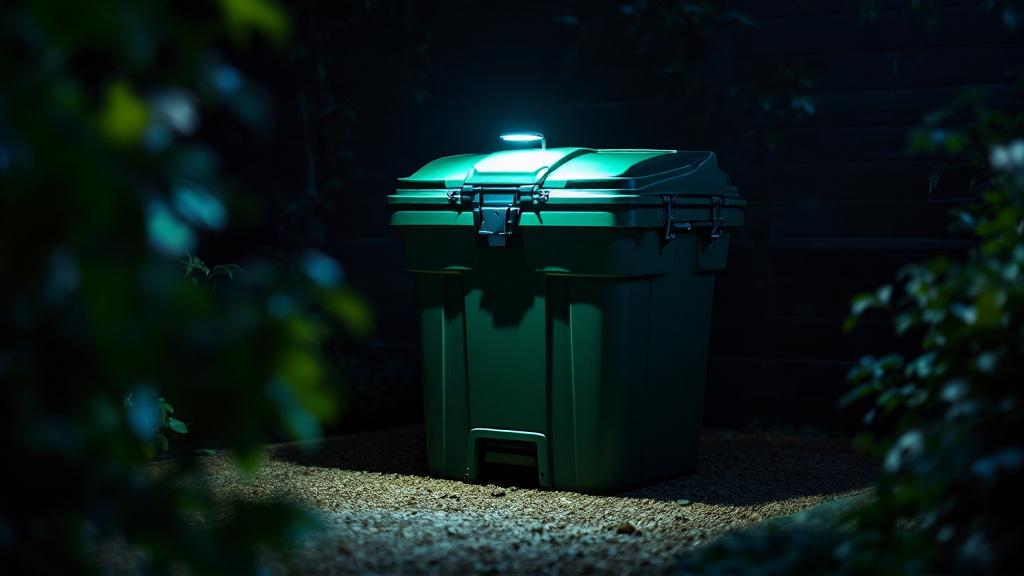
- Use tight-fitting lids or bungee cords on garbage cans.
- Keep compost in a sealed bin, not an open pile.
- Avoid adding meat, dairy, or greasy food scraps.
Protect Pet Food
- Feed outdoor pets during the day and bring bowls indoors at night.
- Store bulk feed in metal or heavy plastic containers with locking lids.
Remove Easy Water Access
- Empty birdbaths at night or elevate them beyond raccoons’ reach.
- Fix leaky faucets and cover ponds with mesh when necessary.
These small changes often reduce raccoon visits dramatically within a week.
Step 2: Protect Your Crops
When raccoons target your vegetables or fruit trees, physical barriers are your best defense. Any comprehensive guide to planting a garden in areas with wildlife will tell you that prevention starts at the sowing stage. Using sturdy raised beds and planning your layout to include protective fencing from day one is the most reliable way to keep raccoons out.
Fencing
A well-built fence is the most reliable way to keep raccoons out, but it must account for their climbing and digging skills.
Tips for effective fencing:
- Use hardware cloth or wire mesh (not chicken wire) with openings smaller than 2 inches.
- Fence height: at least 4 feet tall.
- Bury the bottom 6–12 inches underground or bend it outward to prevent digging.
- Add an electric wire (optional) near the top and bottom—safe, low-voltage deterrents are highly effective.
Corn and Fruit Protection
Raccoons particularly love sweet corn, melons, and berries. Protect these with:
- Netting: Drape over plants or rows and secure tightly.
- Individual Cages: Surround corn or melon plants with chicken wire cylinders.
- Tree Guards: Wrap fruit tree trunks with slick metal or plastic collars to block climbing.
Raised Beds and Containers
Raccoons are less likely to dig in elevated planters or tightly packed raised beds. Add sturdy sides and keep the soil surface firm to discourage foraging.
Step 3: Use Light, Sound, and Motion
Because raccoons are nocturnal, disrupting their nighttime comfort can make your garden less appealing.
Motion-Activated Lights
Install solar or battery-powered motion lights around the garden perimeter. Sudden brightness often scares off raccoons without disturbing neighbors.
Ultrasonic Repellents
These devices emit high-frequency sounds that are unpleasant to raccoons but inaudible to humans. Position them near high-traffic areas or feeding zones.
Sprinkler Deterrents
Motion-activated sprinklers combine surprise with discomfort. When a raccoon enters, it gets a harmless burst of water. They’re effective for both raccoons and deer.
Wind Chimes and Radios
Sometimes, even simple noise works. A softly playing radio or clanging wind chime can deter shy raccoons, though persistent ones may adapt.
Step 4: Natural and Scent-Based Deterrents
Raccoons have a strong sense of smell, which you can use to your advantage.
Strong-Smelling Deterrents
- Ammonia or Vinegar: Soak rags or cotton balls and place them in small containers near entry points (avoid direct contact with plants).
- Garlic, Hot Pepper, or Epsom Salt Spray: Mix and spray around garden edges. Raccoons dislike pungent odors and spicy residue.
- Predator Urine: Commercially available scents (fox or coyote) can create the illusion of danger.
Reapply after heavy rain and rotate scents every few weeks to prevent raccoons from adjusting.
Step 5: Secure Your Yard and Outbuildings
Even if you protect the garden, raccoons may still find hiding spots nearby, especially if you have a garden with roof structures like sheds or gazebos. Close gaps under decks and seal any entry points into your outbuildings to prevent them from nesting. Trim trees to keep branches from touching the roof or fence lines, as raccoons are expert climbers.
- Seal entry points: Close gaps under decks, sheds, or attics.
- Trim trees: Keep branches from touching the roof or fence lines. Raccoons are expert climbers.
- Remove clutter: Piles of lumber, leaves, or brush provide convenient shelters.
A clean, open yard gives raccoons fewer reasons to stick around.
Step 6: Encourage Natural Predators
Raccoons tend to avoid areas frequented by larger predators. While you can’t exactly “invite” coyotes, you can make your garden feel less welcoming.
- Install owl boxes or bat houses to attract nocturnal hunters.
- Keep a dog that spends time outdoors (supervised); its scent alone can deter raccoons.
Predator presence restores a bit of natural balance to your garden ecosystem.
Step 7: Live Trapping (As a Last Resort)
If all else fails, you can use live traps, but this method should be handled carefully.
- Check local wildlife laws; relocation may be restricted or illegal in some regions.
- Use large, humane traps baited with marshmallows, canned tuna, or peanut butter.
- Cover the trap with a towel to calm the animal once captured.
- Contact animal control or a licensed wildlife rehabilitator for safe relocation.
Never attempt to handle raccoons directly; they can carry diseases like rabies and roundworm.
Common Mistakes to Avoid
- Relying solely on one deterrent: Raccoons are adaptable; combine barriers, scents, and motion devices for lasting success.
- Feeding wildlife: Even unintentionally feeding pets or birds at night can attract raccoons.
- Neglecting consistency: Regular maintenance (resetting lights, refreshing scents) keeps deterrents effective.
- Using poisons: Dangerous to pets, people, and beneficial wildlife; never a humane option.
The goal is deterrence, not harm. By making your garden uninviting, raccoons will naturally move elsewhere.
Bonus: Plants That Deter Raccoons
While no plant completely repels raccoons, some have strong odors they dislike:
- Garlic
- Onions and Leeks
- Marigolds
- Mint (especially spearmint)
Interplanting these around vulnerable crops can add a mild layer of protection.
Building Long-Term Prevention Habits
Once you’ve driven raccoons out, keep them from returning with consistent habits.
- Harvest fruits and vegetables promptly.
- Keep fences and covers in good repair.
- Maintain motion lights and sprinklers.
- Monitor for signs of digging or damage.
- Refresh repellents regularly.
Raccoons are creatures of habit. Once they learn your garden is no longer an easy buffet, they’ll move on to easier pickings.
At the end of the day, raccoons are a highly intelligent part of the natural world, but that doesn’t mean they have a permanent reservation at your garden’s buffet. The secret to keeping them out isn’t about confrontation or causing harm; it’s all about a smarter strategy. While protecting your crops from bandits is key, don’t forget to plan for watering your garden while on vacation, so your plants stay hydrated
By removing tempting food sources, reinforcing your physical barriers, and staying consistent with smart deterrents, you can finally reclaim your backyard. You’ve put in the hard work to grow your garden; now you can finally enjoy the fruits of your labor without worrying about midnight intruders. With a little bit of patience and these clever tactics, you can have a beautiful, raccoon-free garden that stays productive all season long!
Remember: a successful defense is about outsmarting, not outmuscling. With patience and persistence, your garden can remain lush, productive, and undisturbed while the raccoons move on to wilder pastures.


