


Wetlands are some of the most ecologically significant landscapes on Earth, providing a wildlife sanctuary, regulating water flow, and purifying water naturally. Among these, the Bright Water Bog represents a particularly striking example of a wetland ecosystem that balances vibrant plant life with consistently high water levels. Whether you are a nature enthusiast, a gardener interested in bog-style plantings, or a conservationist, understanding the Bright Water Bog concept can inspire both practical and ecological applications.
This guide explores what makes a Bright Water Bog unique, how to create one in a garden or container setting, and why it matters to biodiversity and environmental health.
What Is a Bright Water Bog?
A bright water bog is a type of wetland characterized by:
- Saturated, acidic soils
- Consistently high water levels, often just below or at the soil surface.
- Sunlight-loving plants thrive in moisture-rich conditions.
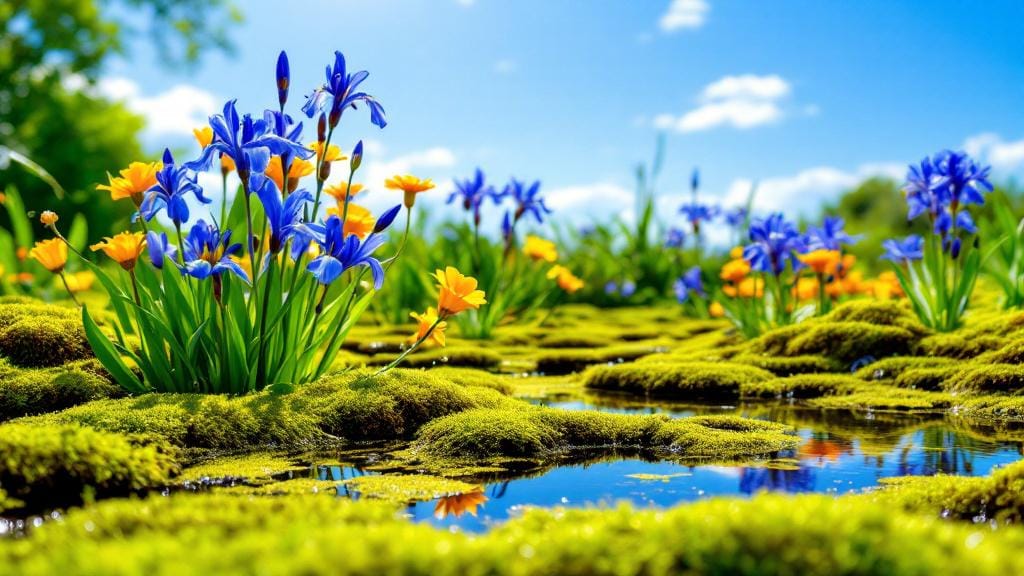
- A vivid, “bright” visual appearance due to flowering plants, lush mosses, and reflective water surfaces.
Unlike traditional bogs, which can be dim and muted in color, a bright water bog is intentionally cultivated or naturally positioned to showcase vibrant colors and textures. This makes it not only ecologically valuable but also visually striking, offering a sense of tranquility and beauty in both natural and landscaped settings.
Ecological Importance
Bright Water Bogs are crucial for several environmental functions:
- Water Filtration: Plants and mosses in the bog filter pollutants, improving water quality.
- Flood Control: The saturated soil absorbs excess rainfall, reducing downstream flooding.
- Carbon Storage: Peat-forming species trap carbon, helping mitigate climate change.
- Biodiversity Hotspots: Provide habitats for amphibians, insects, birds, and specialized plant species.
- Microclimate Regulation: Maintains cooler temperatures locally and supports nearby vegetation.
This combination of ecological benefits makes Bright Water Bogs vital, whether in natural reserves or recreated garden landscapes.
Key Features of a Bright Water Bog
A functional and visually appealing bright water bog exhibits several distinct features:
- Water Table Management: The soil remains consistently moist, but the water level is carefully controlled to prevent true flooding.
- Sunlight Exposure: Bright water bogs receive moderate to full sunlight, encouraging flowering and vibrant foliage.
- Diverse Vegetation: Includes mosses, sedges, flowering perennials, and sometimes carnivorous plants adapted to wet, acidic soils.
- Reflective Surfaces: Shallow pools or waterlogged soil create reflective patches, enhancing the visual appeal.
- Layered Planting: Tall plants at the back, medium-height species in the center, and ground-cover mosses or grasses near the edges.
Plants Suitable for Bright Water Bogs
The choice of plants is critical for achieving the brightness and ecological functionality of the bog. Ideal species include:
Moisture-Loving Perennials:
- Marsh Marigold (Caltha palustris): Bright yellow flowers in spring.
- Water Iris (Iris pseudacorus): Tall, elegant blooms.
- Cardinal Flower (Lobelia cardinalis): Striking red flowers attracting pollinators.
Ground Covers and Mosses:
- Sphagnum moss: Retains moisture and provides a lush green carpet.
- Creeping Jenny (Lysimachia nummularia): Adds golden hues along wet edges.
Carnivorous Plants (Optional):
- Sundews (Drosera spp.): Small, glistening leaves with insect-catching adaptations.
- Pitcher Plants (Sarracenia spp.): Tall, tubular leaves that add vertical interest.
Grasses and Sedges:
- Carex species (sedges): Dense clumping for structure.
- Soft rush (Juncus effusus): Adds vertical texture and movement in the wind.
The combination of flowering perennials, mosses, and sedges ensures both ecological function and visual vibrancy. Bright Water Bogs thrive on diversity, mimicking natural wetlands where multiple species coexist.
Selecting the right species is vital for a vibrant display. You can refer to this professional planting guide for wetland gardens to find more species that love consistent moisture.
How to Create a Bright Water Bog in Your Garden
Creating a Bright Water Bog, whether in-ground or in a container, involves replicating the wet, nutrient-poor conditions found in natural bogs.
Step 1: Choose the Location
- Select a low-lying area where water naturally collects or near a pond or water source.
- Ensure the site receives at least 4–6 hours of sunlight per day for flowering species.
- Avoid areas prone to strong drainage unless you can retain water.
Step 2: Prepare the Soil
- Acidic, nutrient-poor soil is ideal. Avoid fertilized garden soil.
- Mix sphagnum peat moss and coarse sand in equal parts to improve moisture retention while preventing compaction.
- For container bogs, fill a watertight container with this mixture, leaving 2–3 inches at the top for water overflow.
Working with saturated ground can be tricky, so before you start, make sure you are understanding boggy soil to better manage the challenges and solutions of wet garden areas.
Step 3: Manage Water Levels
- Keep soil consistently moist but not submerged.
- In containers, create a small reservoir with gravel at the base to allow water to percolate evenly.
- Outdoor bogs may require shallow trenches or a pond liner to maintain consistent moisture.
Step 4: Plant Selection and Arrangement
- Arrange taller plants toward the back and shorter, ground-cover species near the edges.
- Group plants according to water needs: water-tolerant species in the center and slightly less tolerant species at the edges.
- Consider visual contrasts: mix colors, textures, and heights for vibrancy.
Step 5: Mulching and Surface Treatment
- Top with sphagnum moss, small stones, or bark chips to maintain moisture and reduce evaporation.
- Avoid standard mulch that can raise nutrient levels too much, which may harm specialized bog plants.
Step 6: Maintenance
- Water regularly, especially in dry months, ensuring the soil remains damp.
- Remove dead foliage to prevent rot and maintain aesthetic appeal.
- Divide plants every few years to prevent overcrowding and maintain vigor.
- Monitor for pests, though bog gardens are generally low-maintenance due to moisture levels discouraging many common garden pests.
Creating a Container Bright Water Bog
Container bogs are perfect for urban spaces or small patios. The principles are the same as in-ground bogs, but with some modifications:
- Choose a large container: At least 12–18 inches deep and wide.
- Seal drainage: Use a pond liner or a watertight plastic container to retain water.
- Water control: Add gravel and a small pipe for controlled watering.
- Plant selection: Focus on species that thrive in confined, consistently moist environments.
- Mobility: Containers can be moved to capture sunlight or protect from frost.
Container bogs allow you to enjoy the vibrant ecosystem of a bright water bog without needing large land areas.
Wildlife Benefits of Bright Water Bogs
Brightwater bogs are more than just visually appealing; they support biodiversity:
- Amphibians: Frogs, toads, and newts use the wet soil for breeding.
- Insects: Dragonflies, damselflies, and pollinators are attracted to flowering plants.
- Birds: Small waterbirds visit for feeding and nesting.
- Microbes: Beneficial bacteria and fungi in wet soil help break down organic matter and support plant health.
By creating a Bright Water Bog, you contribute to habitat restoration and encourage local wildlife.
Common Mistakes to Avoid
- Over-fertilizing: Bog plants evolved in nutrient-poor soil; too much fertilizer can harm them.
- Allowing soil to dry out: Regular moisture is key.
- Improper plant selection: Avoid planting high-nutrient or drought-tolerant species that compete with bog plants.
- Insufficient sunlight: Most flowering bog species need partial to full sun.
- Ignoring maintenance: Dead leaves and overcrowding can reduce visual brightness and plant health.
Bright Water Bog Aesthetics
A true bright water bog balances ecological function with visual appeal. Key aesthetic principles:
- Color contrast: Mix bright flowers with lush green foliage and moss.
- Height variation: Combine tall iris or pitcher plants with low mosses and sedges.
- Reflective water: Shallow pools enhance the “bright” visual quality.
- Texture layering: Rough bark, smooth stones, and soft moss create depth.
The result is a living, vibrant landscape that is as functional as it is beautiful.
A Bright Water Bog is a celebration of wetland ecology in miniature. Whether recreated in a garden bed or container, it offers a unique combination of beauty, biodiversity, and environmental benefit. By carefully managing soil, water, and plant selection, anyone can cultivate a mini wetland that blooms with color, attracts wildlife, and serves as a functional ecological feature.
From its reflective surfaces to its lush, vibrant vegetation, a bright water bog reminds us that even small spaces can sustain life, nurture biodiversity, and create beauty. With patience and planning, you can enjoy a thriving, living wetland right in your own backyard, bright, dynamic, and teeming with life.


