
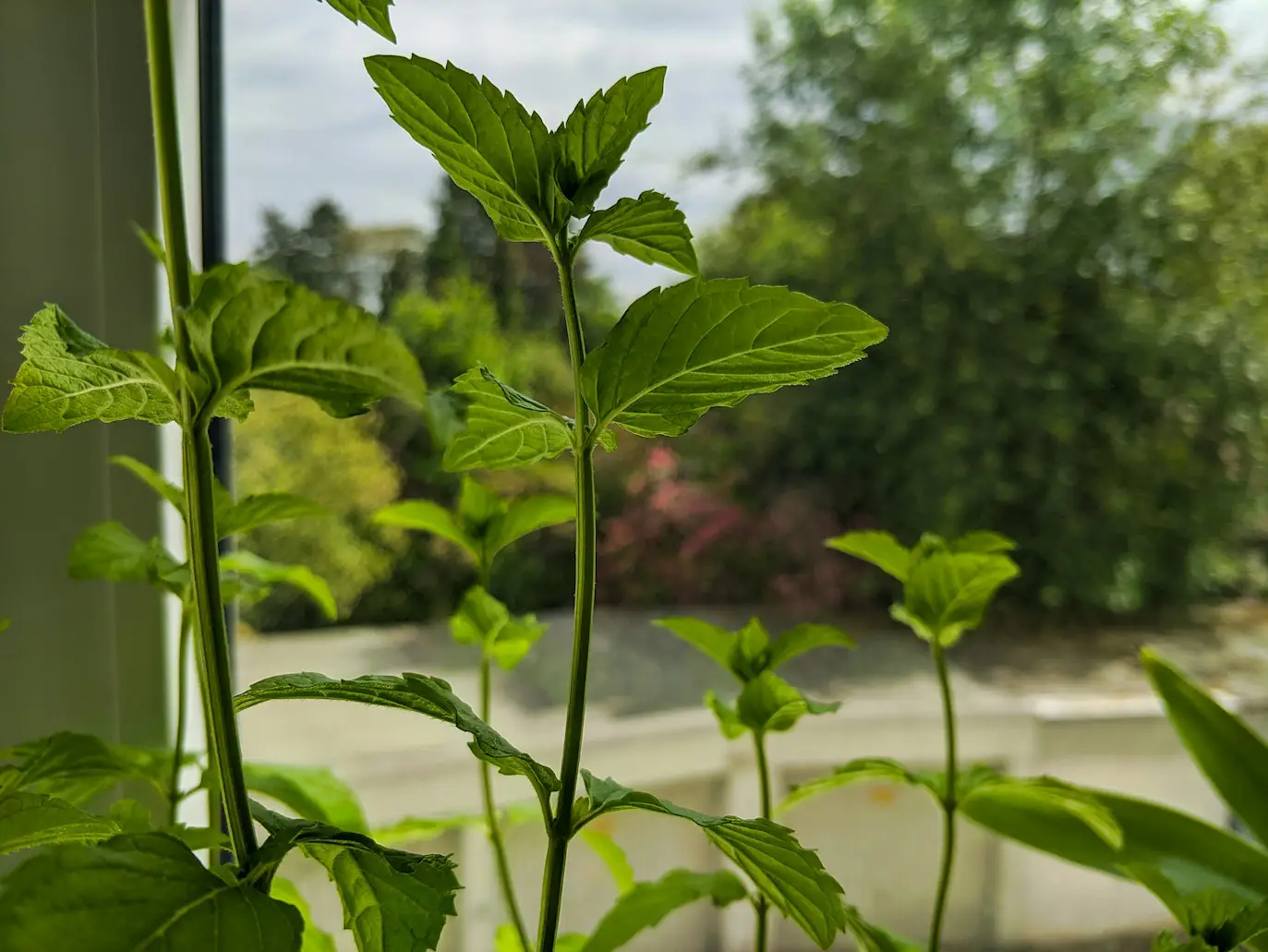

A herb window is an ideal solution for gardeners who want fresh, aromatic herbs without relying on outdoor space. By utilizing a sunny window, you can grow a variety of culinary and medicinal herbs year-round. This approach is perfect for apartments, small homes, or areas with limited outdoor gardening options. With proper soil, containers, and care, a window herb garden provides fresh ingredients for cooking while adding beauty and fragrance to your living space. Herb windows combine convenience, accessibility, and productivity for indoor gardeners of all skill levels.
What Is an Herb Window and Why It’s Perfect for Indoor Gardening
An herb window is a dedicated indoor space, usually a sunny windowsill, designed for growing herbs in containers. These windows provide natural light, which is essential for healthy plant growth, making them ideal for indoor gardening. Herb windows allow gardeners to control soil quality, water, and temperature while keeping plants safe from outdoor pests. They are particularly useful in apartments or homes without outdoor gardens. By creating a herb window, you can enjoy a steady supply of fresh herbs, enhance indoor air quality, and add a touch of greenery to your living environment.
Utilizing a windowsill is one of the easiest ways to get started with the principles of indoor gardening, allowing you to control the environment perfectly for delicate culinary plants.
Benefits of Growing Herbs on Your Windowsill
Growing herbs in a herb window offers numerous benefits. It provides easy access to fresh ingredients for cooking and teas. Herb windows save space, making them ideal for small apartments or homes. Indoor herb gardening reduces exposure to outdoor pests and weather-related risks. They also improve air quality and create a pleasant, natural atmosphere in your living area. Additionally, using a window for herbs encourages consistent care and watering, which leads to healthier plants and higher yields. Overall, a herb window combines convenience, aesthetics, and functionality for year-round herb growth.
Best Herbs to Grow in an Herb Window
Certain herbs thrive exceptionally well in a herb window. Basil, parsley, chives, thyme, oregano, rosemary, and mint are excellent choices. These herbs require moderate sunlight and can adapt to container growth. Compact varieties like dwarf basil or petite thyme are particularly suitable for smaller window spaces. Fast-growing herbs like cilantro provide quick harvests, while perennials like rosemary offer long-term growth. By selecting herbs based on light requirements and container size, your herb window can provide a diverse and continuous supply of fresh, flavorful plants for cooking, teas, and home remedies.
If you are new to indoor gardening, you don’t have to start from seeds. You can use herb starts to give your window garden an instant boost and save time on germination.
Choosing the Right Containers for Your Herb Window
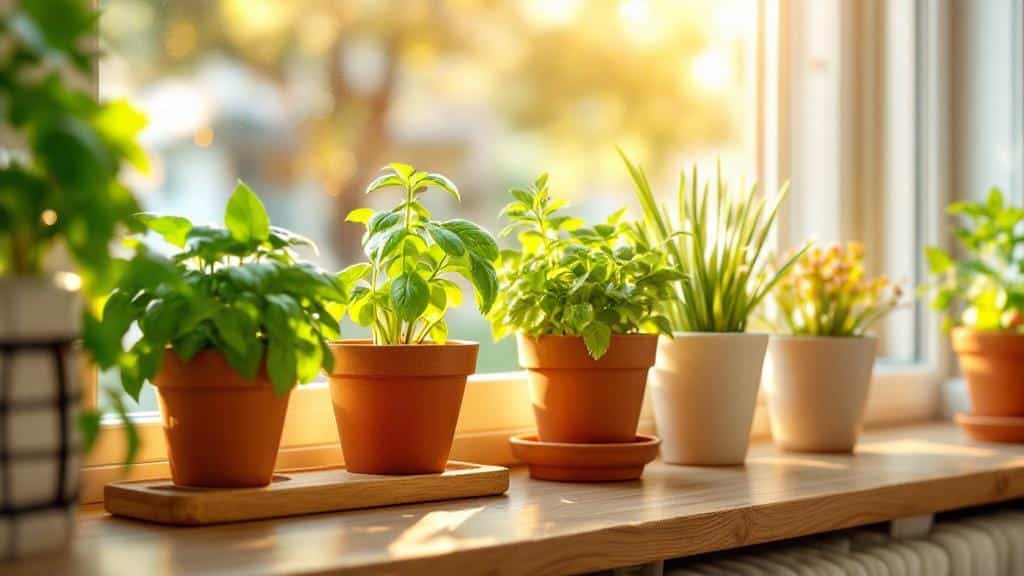
Selecting the right containers is crucial for a successful herb window. Look for pots with drainage holes to prevent waterlogging, as overwatering can harm herbs. Materials such as terracotta, ceramic, or lightweight plastic are popular for window gardens. Shallow containers work well for small herbs, while deeper pots are better for larger or perennial plants. Consider using matching pots for a neat appearance or varied designs for a decorative touch. Proper container selection ensures healthy root growth, adequate water drainage, and long-term productivity for your herb window.
Preparing Soil and Fertilizer for Indoor Herb Growth
Healthy soil is key to thriving herbs in a herb window. Use a well-draining potting mix enriched with compost to provide essential nutrients. Avoid garden soil, which may compact in containers and hinder root growth. Lightly fertilize with organic or slow-release fertilizer every few weeks to maintain nutrient levels. Mixing perlite or vermiculite improves aeration and drainage, which is critical in window planters. Proper soil preparation ensures strong root systems, healthier leaves, and flavorful herbs. Maintaining balanced nutrients and moisture helps your herb window remain productive throughout the year.
How to Plant and Arrange Herbs in a Window Garden
Planting and arranging herbs in a herb window requires planning for space, sunlight, and growth patterns. Place taller herbs like rosemary or sage at the back and shorter herbs like basil or thyme at the front to maximize sunlight exposure. Ensure each plant has enough room for roots to grow. Gently loosen soil before transplanting, water lightly, and monitor for proper drainage. Group herbs with similar care requirements together to simplify maintenance. Thoughtful arrangement in a window herb garden encourages healthy growth, ease of harvesting, and an attractive, organized display.
Watering and Sunlight Tips for Your Herb Window
Most herbs in a herb window require 6–8 hours of sunlight daily. Position containers on south- or west-facing windows for optimal light. Rotate pots occasionally for even growth. Water consistently, keeping the soil moist but not soggy. Some herbs, like rosemary and thyme, prefer drier conditions, while basil and parsley need more frequent watering. Using a saucer under pots prevents excess water from damaging your windowsill. Adequate sunlight and proper watering are essential to ensure your herb window remains vibrant, productive, and free of diseases like root rot or fungal growth.
Common Problems and Solutions in Window Herb Gardening
Herb windows can face issues such as pests, fungal diseases, or nutrient deficiencies. Aphids and spider mites are common indoor pests; neem oil or insecticidal soap can help. Yellowing leaves may indicate overwatering, poor drainage, or a lack of nutrients. Leggy growth often occurs with insufficient sunlight. Pruning helps promote bushier, healthier plants. Regularly check soil moisture, fertilize appropriately, and rotate plants for even sunlight exposure. By monitoring your herb window and addressing issues early, you can maintain healthy, productive herbs and prevent most indoor gardening problems.
How to Harvest and Maintain Herbs from a Window Garden
Regular harvesting encourages healthy growth in your herb window. Use clean scissors to trim leaves and stems, harvesting in the morning for peak flavor. Avoid cutting more than one-third of the plant at once to prevent stress. Remove dead or yellowing leaves and lightly fertilize afterward to support regrowth. Rotate herbs occasionally to balance sunlight exposure. Routine care, including watering, pruning, and occasional soil refresh, ensures your window herbs remain productive, flavorful, and visually appealing throughout the year. Proper maintenance maximizes yields and prolongs the life of your indoor herb garden.
Creative Ideas to Decorate and Maximize Your Herb Window
Enhance your herb window by using colorful pots, tiered stands, or hanging containers. Add labels to identify each herb, or use decorative markers for a personalized touch. Combine herbs with ornamental plants to create a visually pleasing display. Arrange pots by height or fragrance for a layered effect. Incorporate your window herb garden into your kitchen, dining, or living space for both beauty and convenience. Creative design ideas not only improve aesthetics but also make harvesting and care easier, ensuring your herb window is productive, organized, and a charming focal point in your home.


