
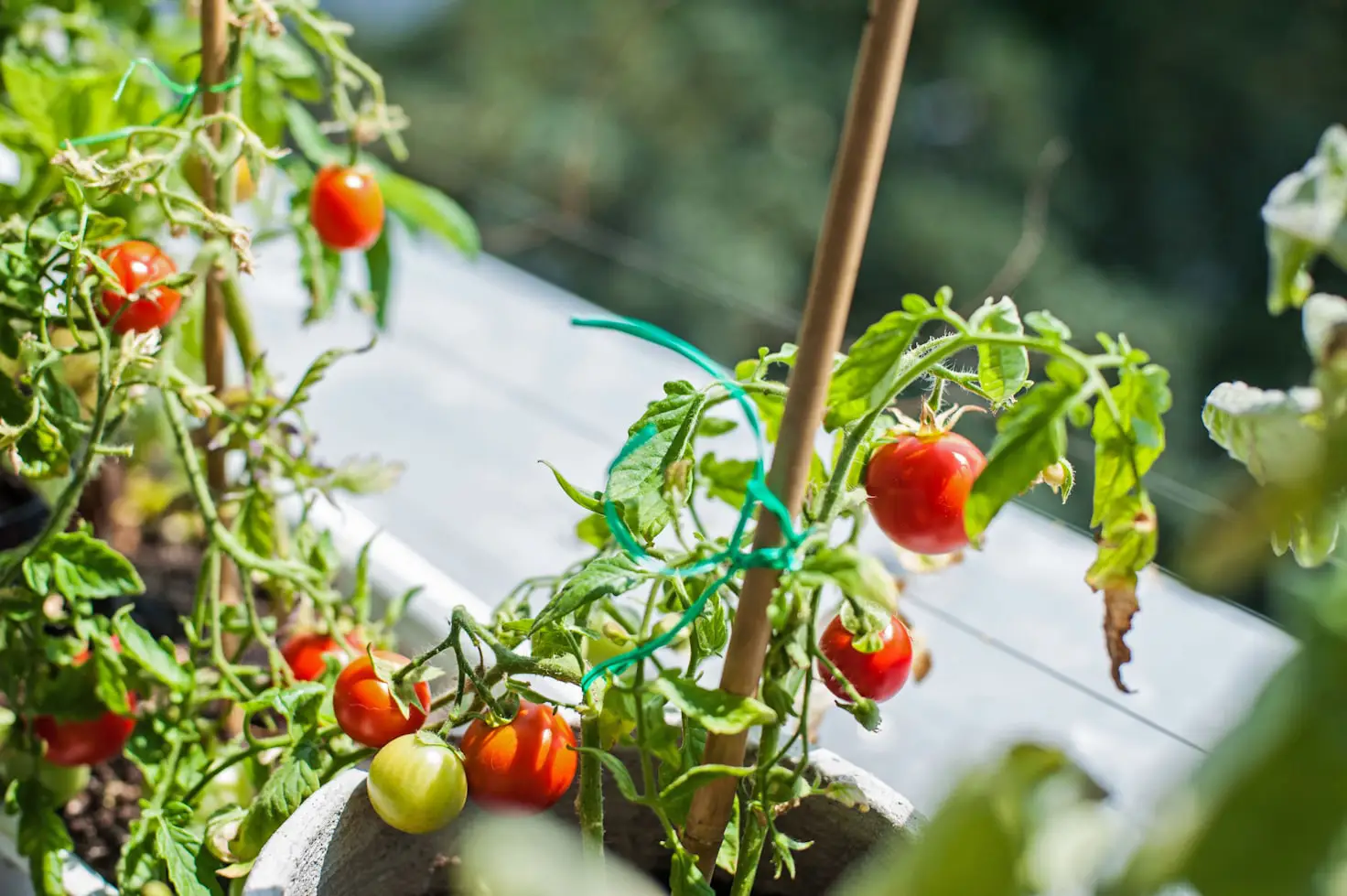

Learning how to plant tomatoes in a raised bed can transform your gardening results. Raised garden beds offer better drainage, improved soil quality, and easier weed control, all of which promote strong tomato growth. Whether you’re an experienced gardener or a beginner, raised beds make it simpler to manage soil temperature and moisture levels. Tomatoes thrive in this controlled environment, producing juicy, flavorful fruit throughout the season. By understanding the right techniques for planting, watering, and fertilizing, you can enjoy a continuous and healthy tomato harvest from your tomato plants every year.
Why Raised Beds Are the Best Choice for Growing Tomatoes
Raised garden beds provide optimal growing conditions for tomatoes by offering loose, nutrient-rich soil and excellent drainage. This prevents root rot and allows for deeper root development, leading to stronger plants and higher yields. The elevated design also keeps pests and weeds under control while improving air circulation. In colder regions, raised beds warm up faster in spring, extending your growing season. Additionally, maintaining soil quality is easier because you control what goes into it. Many enthusiasts, inspired by the high-yield strategies taught by epic gardening raised beds experts, find that proper bed construction is the most critical foundation for tomato success. For anyone looking to plant tomatoes in a raised bed, this method ensures healthier plants and tastier results.
Maintaining soil quality is easier because you control what goes into it. If you’re on a budget, you can easily build your own setup by following our guide to making raised garden beds from pallets. Alternatively, if you prefer buying raw lumber, ensuring you select safe, modern treated wood for raised bed garden layouts will keep your structure rot-resistant for years without chemical leaching.
Choosing the Right Tomato Varieties for Raised Bed Gardening
Selecting the right tomato varieties is key to success when you plant tomatoes in a raised bed. Determinate varieties like ‘Roma’ and ‘Celebrity’ are ideal for compact spaces, producing fruit all at once. Indeterminate types such as ‘beefsteak’ and ‘cherry’ grow continuously, offering fresh tomatoes throughout the season. Consider your climate—some varieties handle heat or humidity better than others. If you’re growing in smaller raised garden beds, choose bush-type plants that require less staking. Matching the tomato variety to your growing conditions ensures vigorous growth, maximum flavor, and consistent yields from your raised bed.
Matching the variety to your conditions ensures maximum flavor. You can explore the history and global tomato cultivation and varieties to see which ones might suit your garden best.
Preparing the Perfect Soil Mix for Healthy Tomato Roots
Tomatoes thrive in nutrient-dense, well-drained soil, making preparation essential before you plant tomatoes in a raised bed. Combine garden soil, compost, and organic matter such as peat moss or coconut coir to improve aeration and moisture retention. The ideal soil pH for a tomato plant is between 6.0 and 6.8, which supports nutrient absorption. Adding aged manure or worm castings provides additional nitrogen and beneficial microorganisms. Loosen the soil to a depth of at least 12 inches for proper root growth. With this balanced mix, your raised garden beds will produce strong, healthy tomato plants.

Step-by-Step Guide: How to Plant Tomatoes in a Raised Bed
To successfully learn how to plant tomatoes in a raised bed, the process actually begins with the structure itself. Once you know how to build a raised bed and have it properly positioned, start by selecting a sunny location that receives at least six to eight hours of light daily. Dig holes deep enough to bury two-thirds of each tomato seedling, including part of the stem. This encourages more root growth. including part of the stem, this encourages more root growth. Space plants evenly for proper airflow. Gently water after planting and add mulch to retain moisture. Use stakes or cages early to support vertical growth. Following these simple steps ensures that your tomato plant establishes quickly and produces a robust, fruitful harvest throughout the growing season.
Spacing and Depth: The Secret to Strong Tomato Plants
Proper spacing and planting depth are crucial when you plant tomatoes in a raised bed. Overcrowding can lead to poor airflow and disease, while shallow planting weakens root development. Ideally, space tomato plants 18–24 inches apart, depending on the variety. Bury the stem deeply—two-thirds of the plant should be below the soil to encourage strong root growth. This deep-rooting technique stabilizes your tomato plant and increases nutrient uptake. By giving each plant enough room to breathe and grow, you’ll cultivate healthier vines, fewer pest issues, and larger, more flavorful tomatoes in your raised garden beds.
Watering and Mulching Tips for Thriving Raised Bed Tomatoes
Consistent watering is vital when growing tomatoes in raised garden beds. These beds tend to dry out faster than ground soil, so water deeply at the base of each tomato plant two to three times a week. Morning watering is best to prevent fungal diseases. Applying organic mulch such as straw, compost, or wood chips helps retain moisture and regulate soil temperature. Mulch also suppresses weeds and enriches the soil as it decomposes. Avoid overhead watering, as wet leaves can cause blight. With proper hydration and mulching, your tomato plants will stay vigorous and productive all season long.
Fertilizing Tomatoes: What, When, and How Much to Use
Fertilizing correctly can make a huge difference in how your tomato plant performs. Before you plant tomatoes in a raised bed, mix compost or a balanced 10-10-10 fertilizer into the soil. Once the plants start flowering, switch to a fertilizer with more phosphorus and potassium to support fruit development. Avoid excessive nitrogen, which encourages leafy growth but fewer tomatoes. Feed your plants every two to three weeks during the growing season. Using organic fertilizers such as compost tea or fish emulsion can also improve soil health. Proper nutrition ensures lush foliage and abundant, flavorful tomato harvests.
Supporting Your Plants: Stakes, Cages, and Trellises Explained
As your tomato plant grows, providing proper support is essential for preventing damage and disease. In raised garden beds, space is limited, so vertical growth is encouraged. Use sturdy stakes, wire cages, or trellises to keep plants upright and fruits off the ground. Stakes work best for determinate varieties, while indeterminate tomatoes benefit from cages or trellises for continuous support. Secure plants gently with soft ties to avoid stem damage. Supporting your tomatoes not only saves space but also improves air circulation and sun exposure, resulting in healthier plants and cleaner, more uniform fruit.
Common Problems When Growing Tomatoes in Raised Beds (and How to Fix Them)
Even in raised garden beds, tomato plants can face challenges such as blossom-end rot, leaf spots, or pests like aphids. Blossom-end rot often occurs due to inconsistent watering or calcium deficiency. Mulching and steady moisture help prevent it. Fungal diseases can be minimized by spacing plants properly and watering at the base. If pests attack your tomato plants, use neem oil or insecticidal soap as natural remedies. Regular pruning of lower leaves also improves airflow. By staying proactive and attentive, you can easily maintain strong, disease-free tomatoes throughout your raised bed growing season.
Harvesting and Maintaining Your Tomato Plants for Continuous Yield
Harvesting tomatoes at the right time ensures the best flavor and texture. Pick fruits when they’re firm, bright, and slightly soft to the touch. To keep your tomato plants producing, regularly remove ripe fruits and prune unnecessary leaves. In raised garden beds, maintaining soil health is key—add compost between harvests to replenish nutrients. Continue watering and fertilizing as new flowers appear. With proper maintenance, your raised bed can yield fresh tomatoes well into late summer or early fall. This ongoing care guarantees a productive, rewarding harvest season after season.


