
Container potato gardening is a game-changer for anyone with limited space. Imagine harvesting 50+ potatoes from just one bucket! Whether you’re an urban gardener, a balcony grower, or simply short on backyard space, container gardening offers a simple and efficient solution. Using the right techniques, soil, and care, you can enjoy fresh potatoes right from your home. Not only does container potato gardening save space, but it also allows for better control over soil quality, pests, and watering. In this guide, we’ll walk you through everything you need to know about growing potatoes in containers, so you can enjoy a plentiful harvest with minimal effort.
Why Container Potato Gardening Is Perfect for Small Spaces
Container potato gardening is ideal for those who lack a traditional garden. Whether you live in an apartment, have a small patio, or want to try something new, container gardening makes potato growing accessible. By using buckets, grow bags, or pots, you can control the environment more precisely than in open soil.
This method also reduces the risk of pests and diseases that typically affect potatoes in ground beds. Plus, moving containers around to optimize sunlight or shelter is easier than replanting. It’s a practical, space-efficient way to enjoy potato gardening without needing a full backyard. In fact, many professional backyard gardening tips suggest starting with containers even in large spaces because they make soil management and pest control so much simpler.
How to Grow 50+ Potatoes in Just One Bucket
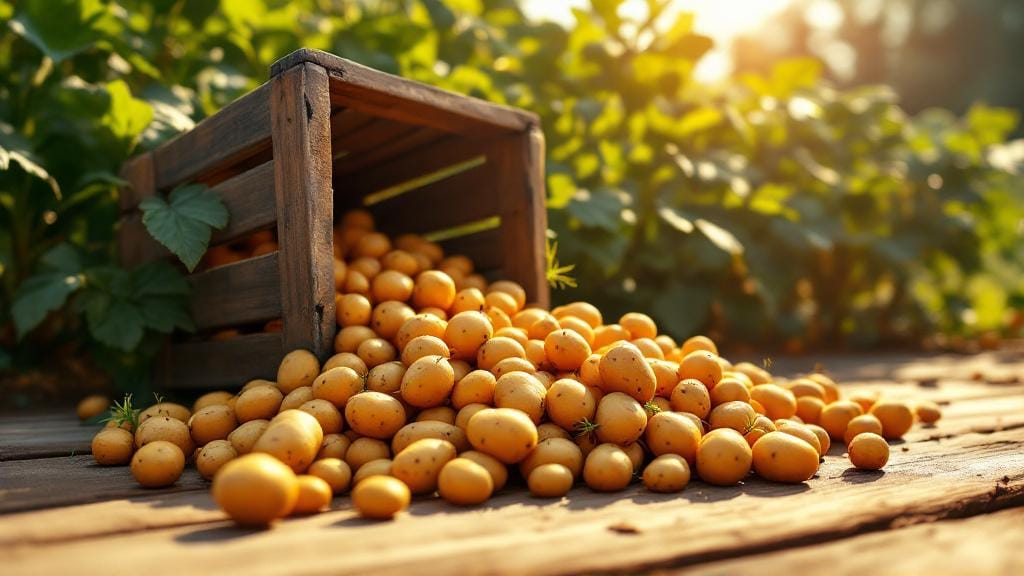
Growing 50+ potatoes in a single bucket is achievable with the right method. Start by choosing seed potatoes and a large container with drainage holes—at least 10 gallons in size. Fill the bottom third of the container with quality soil, plant your container potato seeds, and cover them lightly. As the potato plants grow, continue adding soil to cover the stems (a process called “hilling”). This encourages more tubers to form along the buried stems. Ensure your bucket gets enough sun and water regularly without overwatering. With proper care, your container potato gardening effort will result in an abundant harvest in 70–90 days.
The Best Containers for Growing Tons of Potatoes
When it comes to container potato gardening, the type of container matters. Ideal options include food-safe plastic buckets, grow bags, or deep pots anything that holds at least 10 gallons and has proper drainage. Fabric grow bags are especially popular because they allow better airflow to the roots and are easy to move. Avoid metal containers, as they can overheat and damage roots. Taller containers are preferred since potatoes grow vertically as soil is added. Whichever type you choose, make sure it can support a soil depth of at least 12–15 inches, allowing your potato plants to produce a strong yield.
Whichever type you choose, make sure it can support a soil depth of at least 12–15 inches. For a complete list of durable options that fit any space, check out our guide on the perfect garden pots to grow fresh veggies anywhere, even without a backyard.
Common Mistakes in Container Potato Gardening (And How to Avoid Them)
Many new gardeners make avoidable errors in container potato gardening. A common mistake is using containers that are too small, limiting root and tuber development. Another is overwatering, which can lead to rot, especially if the container lacks proper drainage. Using poor-quality or heavy clay soil can also stunt growth. Additionally, failing to “hill” the plants (adding soil as they grow) reduces the number of potatoes you’ll harvest. To avoid these issues, always use well-draining soil, a large container, and monitor moisture levels closely. With a bit of care, your container potato gardening efforts can be highly productive and rewarding.
Soil Secrets: What Kind of Soil Makes Potatoes Thrive in Containers
For container potato gardening, soil quality is everything. Potatoes thrive in loose, well-draining, nutrient-rich soil. A perfect mix includes compost, peat moss or coco coir, and perlite or sand for better drainage. Avoid heavy clay or garden soil, as it can become compacted in containers, restricting root and tuber growth. The soil should be slightly acidic, with a pH between 5.0 and 6.0. Adding organic compost provides a steady source of nutrients throughout the growing season. Healthy soil supports healthy potatoes, so don’t cut corners here. Invest in quality soil to ensure your container potato gardening success.
When and How to Harvest Potatoes from Containers
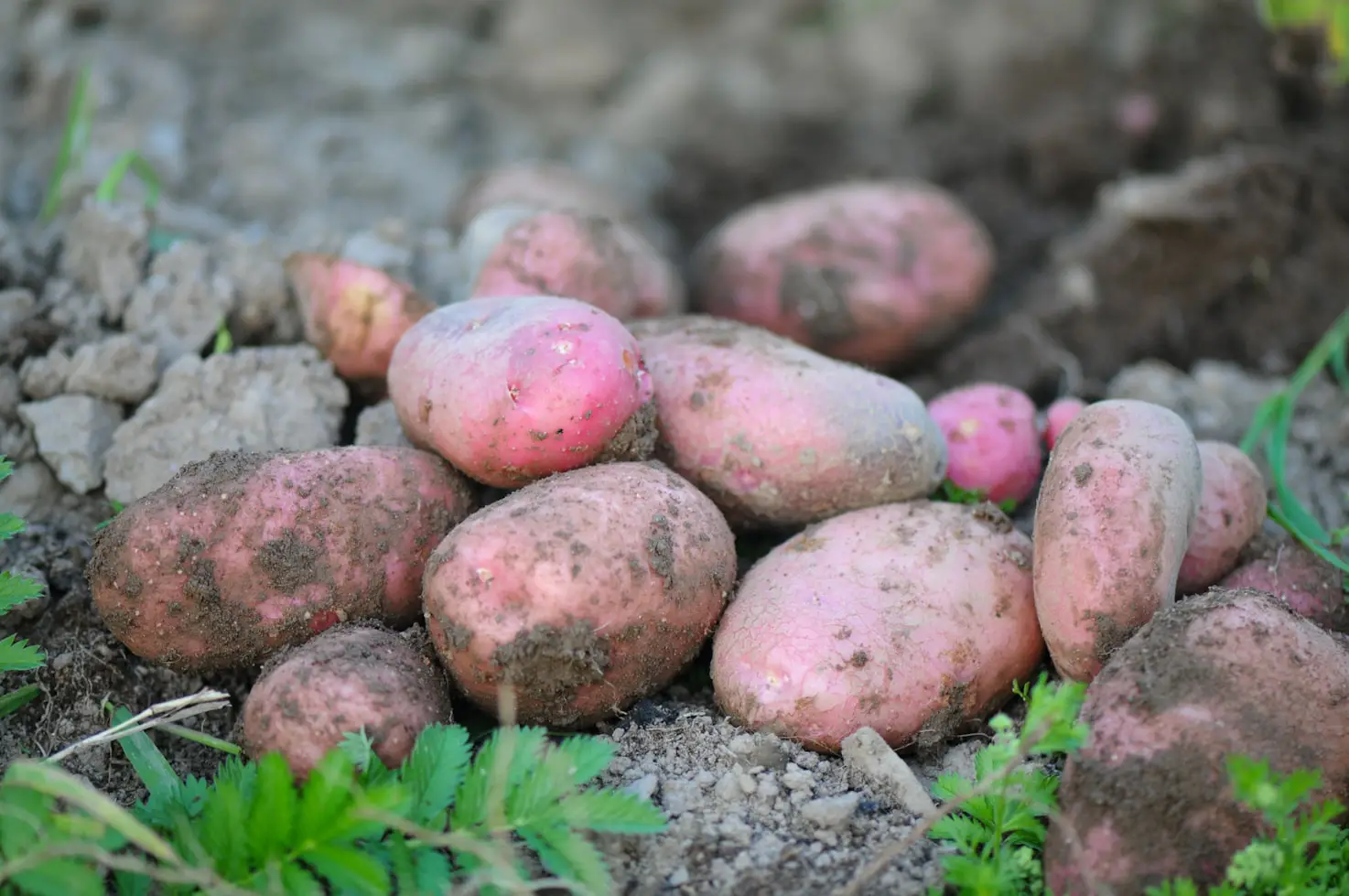
Knowing when to harvest is crucial in container potato gardening. Potatoes are usually ready 70–100 days after planting, depending on the variety. When the plant’s leaves begin to yellow and die back, it’s a sign that your container potato crop is mature. To harvest, gently tip the container onto a tarp or soft surface and sift through the soil by hand. Be careful not to damage the potatoes with tools. Let the harvested potatoes cure in a cool, dry place for a few days before storing. Timely and gentle harvesting ensures your container potato gardening effort yields perfect spuds.
How Much Sunlight Do Container Potatoes Really Need?
Sunlight plays a vital role in successful container potato gardening. Potatoes are sun-loving plants and need at least 6 to 8 hours of full sunlight daily to grow properly. Less light can result in weak plants and a smaller yield. Place your containers in a spot that receives direct morning and afternoon sun. While some crops do well with container gardening in shade, potatoes are not one of them; if sunlight is limited in your space, you must consider rotating the containers or using reflective surfaces to boost light exposure. Adequate sunlight helps your container potato plants photosynthesize effectively, leading to healthy leaves and strong tuber development. Remember, no sun = no potatoes.
Watering Potatoes in Containers: How Much Is Too Much?
Watering is a balancing act in container potato gardening. Too little water causes stunted growth, while too much leads to rot and disease. Potatoes prefer consistently moist soil—not soggy. A good rule is to water deeply once the top inch of soil feels dry. In hot weather, containers may need watering every day, especially fabric grow bags that dry out faster. Always ensure your container has proper drainage holes. Overwatering is a top reason container potato crops fail. Monitor moisture levels and adjust based on temperature and container size for optimal potato gardening success.
Fertilizing Tips to Maximize Your Potato Yield in Containers
Fertilizing properly is key to getting the most out of container potato gardening. Start with nutrient-rich soil, then supplement with balanced, slow-release fertilizer during planting. As the plants grow, use a low-nitrogen, high-potassium fertilizer every 2–3 weeks to promote strong tuber development. Too much nitrogen encourages leafy growth but fewer potatoes. Organic options like compost tea or bone meal can also be effective. Avoid over-fertilizing, as it can damage roots or reduce quality. With the right fertilization strategy, your container potato garden can produce a heavy, healthy yield — even in a small space.
Can You Regrow Store-Bought Potatoes in Containers?
Yes, you can regrow store-bought potatoes in containers, but there are some caveats. Many stored potatoes are treated with sprout inhibitors that delay or prevent growth. For better results, choose organic potatoes, which are less likely to be treated. Look for ones with visible “eyes” or sprouts. Cut them into chunks, each with at least one eye, and let them dry for a day before planting. Growing from store-bought potatoes can be an affordable way to start container potato gardening, but for disease resistance and reliable yields, certified seed potatoes are a better choice in the long run.


