
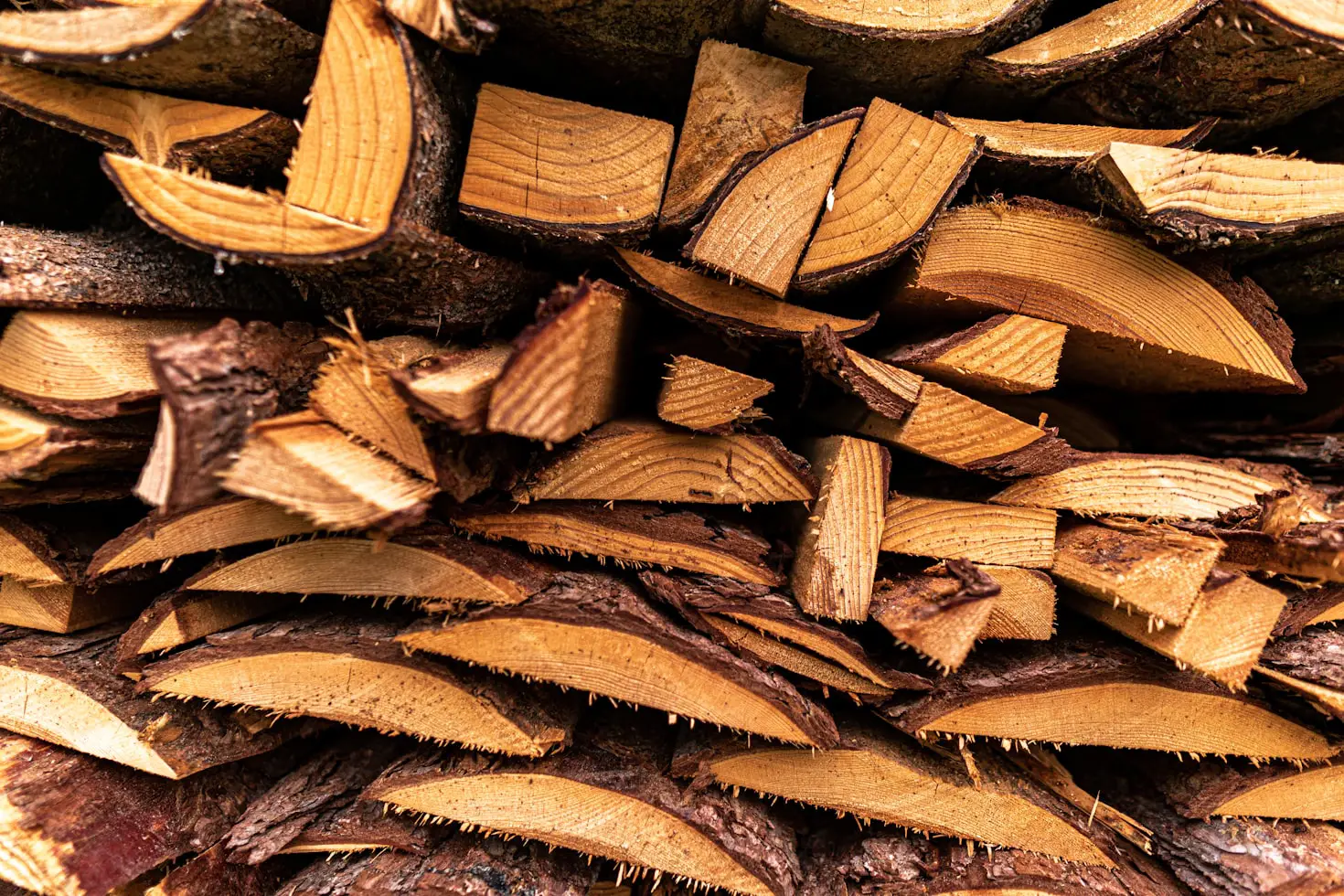

If you’ve ever looked at a pile of fresh mulch and wondered, ‘Are wood chips good for a garden?’ You’re certainly not alone. It’s one of those gardening topics that can divide even the most seasoned experts. Some swear by them as the ultimate low-cost, moisture-retaining miracle, while others warn of ‘nitrogen robbery’ and hidden pests that might ruin your hard work.
The truth is, understanding whether wood chips are good for a garden depends entirely on the ‘how’ and the ‘where.’ Using them incorrectly can lead to frustration, but using them right can transform your outdoor space into a self-watering, weed-free paradise. In this guide, we’re cutting through the myths and looking at what the science actually says. Whether you’re considering them for your paths, your fruit trees, or your vegetable beds, here is everything you need to know before you spread that next layer.
Are Wood Chips Good for a Garden? Here’s What Science Says
Scientific research supports the use of wood chips in gardens when used properly. Studies show they help retain moisture, reduce weed growth, and moderate soil temperatures. Wood chips also encourage microbial activity, improving overall soil structure. However, it’s important to note that wood chips good for a garden are usually aged or composted. Fresh wood chips can initially tie up nitrogen in the soil. Science suggests that the placement of wood chips matters, too; keeping them on the surface and away from plant stems reduces risks. So yes, science leans in favor of wood chips—when applied with care.
The Pros and Cons of Using Wood Chips in Your Garden
Wood chips come with clear benefits: moisture retention, weed suppression, temperature regulation, and natural aesthetic appeal. These qualities make wood chips good for a garden in many cases. However, there are some downsides. Fresh wood chips can temporarily deplete nitrogen in the topsoil. Some wood varieties may also harbor pests or fungal spores. Additionally, overly thick layers may restrict water penetration or suffocate plant roots. Weighing these pros and cons helps determine whether this organic mulch suits your garden’s specific needs and conditions. Used wisely, the advantages typically outweigh the potential drawbacks.
Wood Chips as Mulch: Boost or Barrier for Plant Growth?
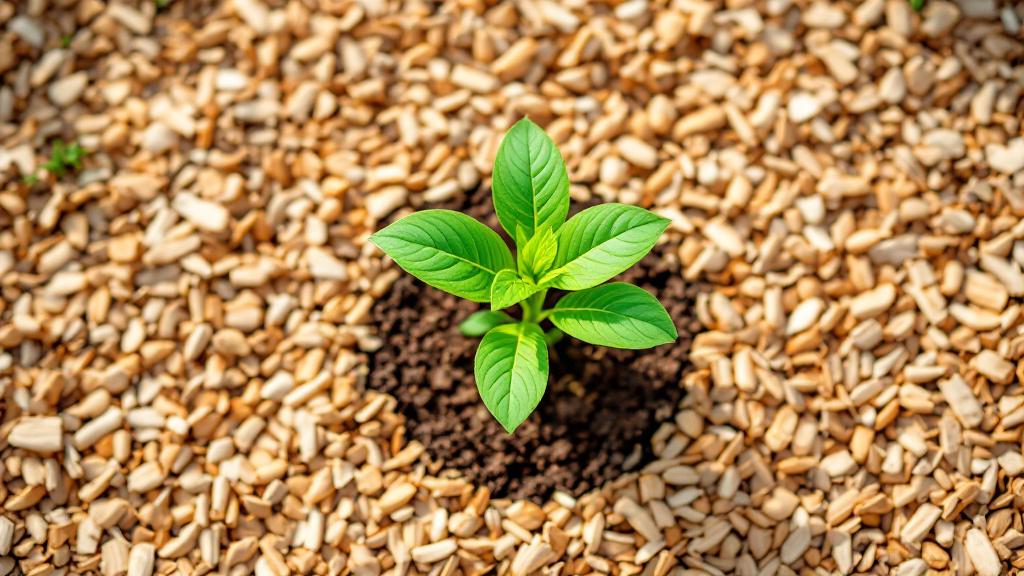
Used as mulch, wood chips can act as both a boost and a barrier. They suppress weed growth and lock in moisture, making them effective in flower beds, tree bases, and pathways. However, if applied too close to plant stems or too thickly, they can trap moisture and encourage rot. Also, when fresh chips are mixed into the soil rather than layered on top, they may disrupt nutrient balance. To ensure wood chips are good for a garden, apply a 2–3 inch layer on the surface, keeping it a few inches away from plant bases.
Do Wood Chips Improve Soil Health in Your Garden?
Over time, wood chips break down and enhance soil structure by increasing organic matter. As they decompose, they attract earthworms and beneficial microbes, improving aeration and water retention. These factors make wood chips good for a garden aiming for long-term soil health. While fresh chips may cause temporary nitrogen drawdown on the surface, this effect doesn’t usually reach deeper root zones. The key is surface application, allowing natural breakdown without disturbing soil chemistry. This slow-release process enriches the garden environment sustainably and organically, helping to build richer, more resilient soil.
Are Wood Chips Safe for Vegetable Gardens? Let’s Find Out
Yes, wood chips can be safe for vegetable gardens, but with precautions. It’s best to use aged or composted wood chips as mulch around pathways and between rows, rather than directly around edible plants. Many growers specifically ask, is cedar mulch good for vegetable gardens? While cedar is fantastic for repelling beetles and pests along paths, it should still be kept away from delicate vegetable seedlings, as its natural oils can sometimes slow early growth. When used properly on walking rows, wood chips are good for a garden layout that includes vegetables, especially for moisture control and weed management. Just be sure to keep them off the planting rows and avoid mixing them directly into the soil where vegetables grow.
The Truth About Wood Chips and Nitrogen Loss in Soil
One of the most common concerns is nitrogen depletion. Fresh wood chips do tie up nitrogen as they decompose, but mainly in the top inch of soil. This means surface mulch won’t usually harm established plants with deeper roots. Problems arise when wood chips are tilled into the soil. That’s when they compete directly with plant roots for nitrogen. To avoid this, keep wood chips on the surface and add nitrogen-rich compost or fertilizer if needed. When used wisely, wood chips are good for a garden without significantly affecting nutrient balance.
How to Use Wood Chips the Right Way in Your Garden
To get the most out of wood chips, follow proper mulching practices. Spread them in a 2–4 inch layer, keeping them away from trunks, stems, and crown areas to avoid rot. Use aged or composted chips when possible. For pathways or ornamental beds, fresh chips are fine. In vegetable plots, use wood chips between rows, not in planting beds. These tips ensure wood chips are good for a garden while minimizing risk. Regular maintenance, like fluffing the mulch and replenishing yearly, also improves performance and appearance.
These techniques ensure wood chips are good for a garden while minimizing risk. Some other good gardening tips include fluffing the mulch occasionally to prevent it from matting down and replenishing the layer yearly to maintain consistent moisture levels and a clean appearance.
Top Gardening Myths About Wood Chips—Busted!
There are many myths surrounding wood chips: they acidify soil, kill plants, or attract pests. In truth, most wood chips are pH neutral and break down slowly, with minimal impact on soil acidity. While they can shelter pests like slugs if too thick or soggy, proper application reduces this risk. Furthermore, if you are worried about rodents nesting in your mulch, learning how to keep mice away from your garden will help you maintain a clean and safe environment. As for plant health, chips applied to the surface pose no harm, only benefits when done correctly. Understanding these facts helps confirm that wood chips are good for a garden, especially when you avoid the common mistakes that fuel these myths.
What Type of Wood Chips Are Best for Your Garden?
Not all wood chips are created equal. Hardwood chips (like oak or maple) decompose slowly and are great for long-term mulch. Softwoods (like pine) break down faster and may be slightly more acidic. Arborist chips, a mix of wood, leaves, and bark, offer a balanced and affordable option. Avoid treated lumber or chips from black walnut and eucalyptus, as they may contain toxins. For the average gardener, aged or composted wood chips are best. Choosing the right type ensures that wood chips are good for a garden, not just now, but for seasons to come.
Long-Term Impact: Are Wood Chips Good for Sustainable Gardening?
Yes, wood chips are good for sustainable gardening. They’re a renewable resource, often available for free or at low cost from local arborists. Their long decomposition process enriches the soil over time, reducing the need for chemical fertilizers and irrigation. By mimicking forest floor conditions, wood chips support biodiversity and soil regeneration. Woodchips are widely used as a renewable resource for both landscaping and biomass energy, making them a cornerstone of sustainable practices. They also help prevent erosion and runoff. When applied properly, they become part of a sustainable gardening cycle, nurturing soil, conserving water, and minimizing waste. So if you’re thinking long-term, wood chips are more than mulch; they’re an investment in garden health.


