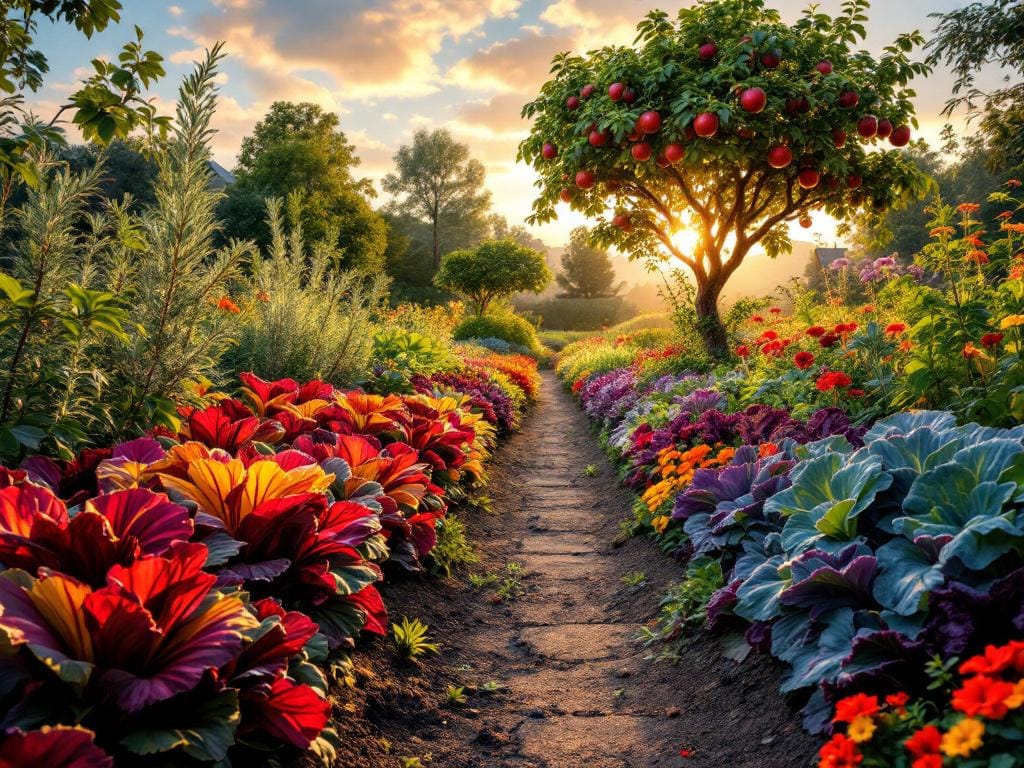

Why choose between beauty and utility when you can have both? Edible landscape plants offer the best of both worlds, providing lush greenery and delicious harvests. These plants enhance the visual appeal of your outdoor space while producing herbs, fruits, and vegetables. An edible landscape creates a sustainable, functional garden without sacrificing style. Whether you’re growing colorful lettuces in your flower beds or fruit trees as focal points, edible plants can elevate your yard into a productive paradise. This guide will help you select, design, and care for edible landscape plants that bring flavor and flair to your garden.
What Are Edible Landscape Plants and Why Are They Trending?
Edible landscape plants are ornamental yet functional plants used in garden design that also produce food. Instead of separating flowers and food crops, an edible landscape blends them to create a beautiful, multi-purpose space. These plants are increasingly popular for their ability to support sustainability, reduce grocery costs, and promote homegrown wellness. From kale in decorative borders to blueberry bushes replacing traditional shrubs, the trend is growing fast. With urban gardening and eco-conscious living on the rise, more people are embracing the rewarding lifestyle of edible gardening as a way to turn their lawns into productive, visually appealing spaces that provide fresh food right at their doorstep
Top Edible Landscape Plants That Blend Beauty and Function
Many edible landscape plants offer both visual charm and culinary value. Swiss chard, with its colorful stems, adds vibrancy to garden beds while offering nutritious greens. Lettuce, kale, and mustard greens provide texture and shape. Herbs like rosemary, thyme, and lavender double as fragrant ground cover and flavor boosters in the kitchen. Blueberries, figs, pomegranates, and dwarf citrus trees add structure and seasonal interest. Using these edible plants strategically enhances your edible landscape while keeping it both attractive and productive throughout the seasons.
How to Design a Garden with Edible Landscape Plants in Every Layer
Designing an edible landscape involves layering plants the same way you’d plan a decorative garden using trees, shrubs, perennials, and groundcovers. Inspired by the natural permaculture structure of edible forest gardens, you can start with fruit trees or nut trees for vertical structure. Underneath, plant berry bushes or culinary herbs. Underneath, plant berry bushes or culinary herbs. Use colorful leafy vegetables like red-leaf lettuce or purple kale as mid-layer accents. Ground covers such as thyme or oregano fill in gaps and reduce weeds. This layered design supports biodiversity and maximizes space. Integrating edible plants in every layer creates a lush, edible environment that looks and tastes amazing.
Low-Maintenance Edible Landscape Plants for Effortless Gardening
Gardening doesn’t have to be high-maintenance. Several edible landscape plants thrive with minimal care. Herbs like mint, oregano, and sage are hardy and drought-resistant. Rhubarb, asparagus, and Jerusalem artichokes are perennials that return year after year with little attention. Berry bushes, such as raspberries or blackberries, are both ornamental and fruitful with basic pruning. These edible plants suit busy gardeners who still want to enjoy the benefits of an edible landscape. Simply plant, water occasionally, and reap the delicious rewards with minimal effort.
The Best Edible Landscape Plants for Small Yards and Urban Spaces
Even in compact areas, edible landscape plants can thrive. Choose dwarf fruit trees, which grow well in containers or small garden plots. Compact vegetables like bush beans or cherry tomatoes can be incorporated into raised beds or decorative planters. Vertical gardening allows you to grow climbing edible plants like peas and cucumbers on fences or trellises. Herbs in hanging baskets or windowsill boxes are great for balconies. With smart planning, an edible landscape can flourish even in the smallest urban spaces.
Ornamental and Edible: Plants That Do Double Duty in the Landscape
Some of the best edible plants are also strikingly beautiful. Artichokes feature bold, architectural foliage and produce edible flower buds. Rainbow chard and red-veined sorrel provide brilliant colors and textures. Nasturtiums offer vibrant edible flowers and pest-repellent properties. Fennel adds a feathery touch and a mild licorice flavor to meals. These edible landscape plants provide visual impact while serving a practical purpose. Use them as focal points, border accents, or companion plants in your edible landscape for beauty you can taste.
How to Care for Your Edible Landscape Plants Year-Round
Keeping your edible landscape plants healthy throughout the seasons ensures a continuous harvest and appeal. In spring, prepare the soil with compost and plant cool-season edible plants like lettuce and peas. If you want to get a head start on the growing season, using vegetable starter plants is the smart way to ensure a faster and more successful harvest in your new edible landscape. Summer requires consistent watering and harvesting to promote growth.
In the fall, switch to root vegetables and leafy greens that thrive in cooler weather. Use mulch and row covers for insulation in winter or grow cold-hardy herbs and greens. Prune fruit trees and berry bushes during dormancy. With proper seasonal care, your edible landscape remains productive and attractive all year.
Colorful and Tasty: Edible Landscape Plants That Brighten Your Garden
Why settle for green alone when your edible landscape can be bursting with color? Red cabbage, purple basil, orange peppers, and rainbow carrots add eye-catching hues to your garden beds. Edible flowers like pansies, violets, and calendula bring both beauty and garnishes for your meals. Even vegetable plants like eggplants or heirloom tomatoes can double as decorative features. Mixing vibrant edible plants into your landscape design not only enhances visual appeal but also makes harvesting more fun and flavorful.
Edible Landscape Plants That Attract Pollinators and Boost Biodiversity
Many edible landscape plants serve a dual ecological role by attracting bees, butterflies, and other beneficial insects. Lavender, chives, thyme, and borage produce nectar-rich blooms that support pollinator populations. These pollinators, in turn, help increase the yields of your edible plants such as tomatoes, cucumbers, and squash. Incorporating flowering herbs and plants into your edible landscape boosts biodiversity, encourages natural pest control, and helps your garden flourish sustainably. It’s a win-win for both nature and your plate.
Creative Garden Layouts Using Edible Landscape Plants for Maximum Impact
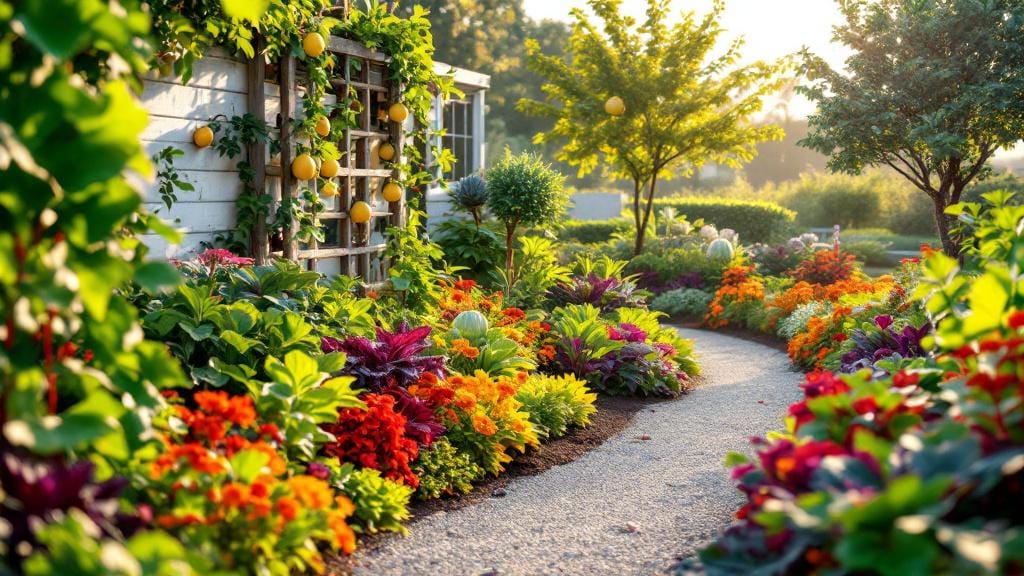
Designing your edible landscape with intention leads to stunning results. Consider curved garden beds that mix vegetable plants, herbs, and flowers for a cottage-style feel. Use symmetry and color contrast to define garden zones. Fruit trees can line pathways, while low-growing edible plants fill in borders. Raised beds and vertical trellises offer visual height and maximize growing space. By thoughtfully blending form and function, you can create a landscape that’s as pleasing to the eye as it is to the palate.


