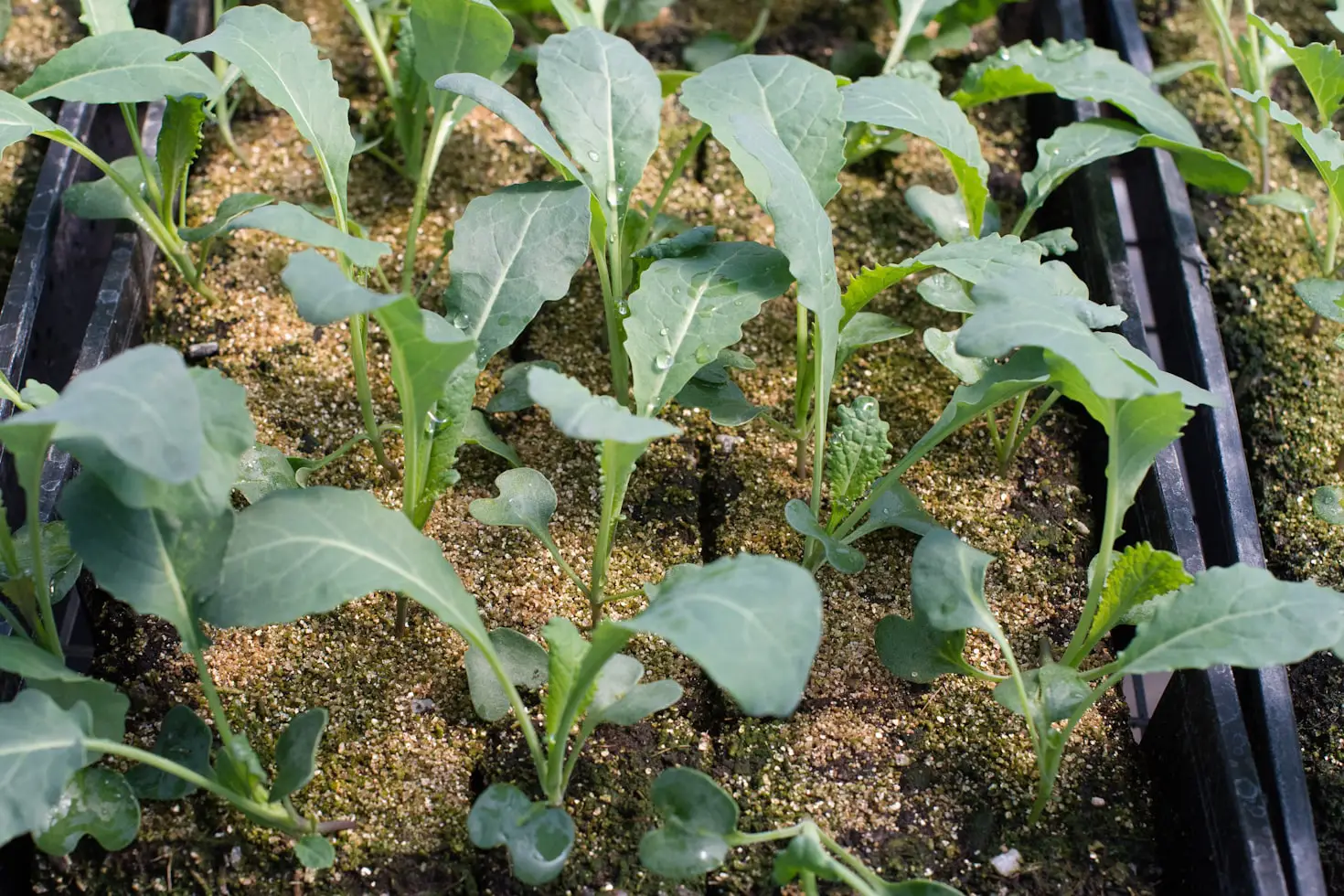

For gardeners who want a productive vegetable garden without the long wait, vegetable starter plants are the ideal solution. These pre-grown young vegetable plants are ready to be transplanted directly into your garden or containers, skipping the often time-consuming seed germination phase. Starter plants offer an efficient head start, especially in shorter growing seasons or for new gardeners looking for quicker results. Whether you’re aiming to grow tomatoes, peppers, or leafy greens, starter plants make the process smoother and more successful. Discover how to use vegetable starter plants to grow a thriving, fresh food garden with less effort.
What Are Vegetable Starter Plants and Why Should You Use Them?
Vegetable starter plants are young, pre-grown vegetable plants that have already passed the seedling stage and are ready to be planted into your garden. They’re often sold in garden centers, nurseries, and even grocery stores during the growing season. These starter plants help gardeners skip the tricky and time-consuming process of seed starting, especially for those without indoor space or grow lights. Using vegetable starter plants ensures a stronger beginning for your garden, reduces the risk of failure, and provides a head start toward harvest. They’re ideal for beginners who want to quickly start growing plants with food power and turn their backyard into a personal nature supermarket. Instead of ordering a pre-made commercial basket from a shop like edible arrangements miami gardens, you can cultivate a beautiful, living presentation of fresh fruits and vegetables right outside your door, saving time and effort while enjoying ultimate freshness.
Top Vegetable Starter Plants That Grow Fast and Easy
Some vegetable starter plants are especially well-suited for beginners due to their quick growth and low maintenance. Popular options include lettuce, spinach, kale, and other leafy greens, which mature quickly and can be harvested multiple times. Tomatoes, peppers, zucchini, and cucumbers are also widely available as starter plants and adapt well to different garden types. Herbs like basil, parsley, and cilantro offer flavorful additions with minimal fuss. These starter plants are reliable, easy to grow, and offer fast results, making them excellent choices for gardeners of all levels.
How Vegetable Starter Plants Save Time for Beginner Gardeners
For beginners, growing from seed can be intimidating and labor-intensive. Vegetable starter plants take the guesswork out of early-stage growth. With starter plants, you avoid challenges like poor germination, overwatering, or damping-off disease. Because they’re already established, these young vegetable plants adapt quickly when transplanted, often growing faster and producing sooner than those started from seed. This time-saving advantage allows new gardeners to enjoy quicker success and build confidence in their gardening skills, making vegetable starter plants a perfect choice for first-time growers. Understanding how these pre-grown roots establish quickly also serves as a great introduction to advanced perennial layouts, such as those detailed in the famous guide edible forest gardens dave jacke written for ecological landscape design.
Best Soil and Sun Conditions for Thriving Vegetable Starter Plants
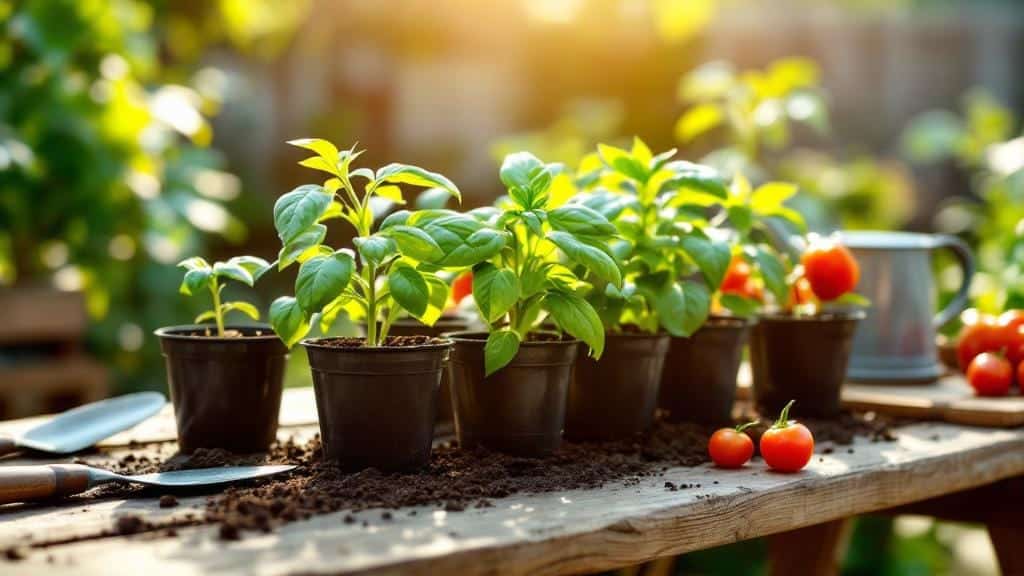
To help your vegetable starter plants flourish, you’ll need to provide the right growing environment. Most vegetable plants prefer well-draining, nutrient-rich soil with a pH between 6.0 and 7.0. Adding compost or organic matter improves soil quality and supports root development. When it comes to sunlight, the majority of starter plants need at least 6–8 hours of direct sunlight daily. Ensure your planting site has proper spacing and airflow to reduce disease risk. Water consistently, especially during the first few weeks after transplanting, to help your starter plants establish strong roots.
From Nursery to Garden: How to Transplant Vegetable Starter Plants Successfully
Transplanting vegetable starter plants from nursery trays to your garden is a simple yet crucial step. Start by hardening them off, gradually exposing them to outdoor conditions for a week. Choose a cloudy day or late afternoon for transplanting to reduce transplant shock. Dig a hole slightly larger than the plant’s root ball and place the starter plant at the same depth it was growing in its container. Gently firm the soil and water thoroughly. Mulching around the base can help retain moisture and suppress weeds. With proper care, your transplanted vegetable plants will settle in quickly and grow vigorously.
Common Mistakes to Avoid When Using Vegetable Starter Plants
Even though vegetable starter plants make gardening easier, some common errors can hinder success. Avoid planting too early when soil temperatures are still cold, as this can stress young starter plants. Overwatering is another frequent mistake; starter plants need moisture, but soggy soil can lead to root rot. Crowding plants too close together reduces airflow and increases disease risk. Also, skipping the hardening-off process before transplanting can shock plants and stunt their growth. By avoiding these mistakes, your vegetable plants will have a stronger start and a better chance at producing a healthy harvest.
Vegetable Starter Plants vs. Seeds: Which Is Right for You?
Choosing between vegetable starter plants and seeds depends on your experience level, budget, and garden goals. Starter plants are perfect for beginners or those with short growing seasons since they offer a head start and higher success rates. They do, however, cost more than seeds. Starting from seeds is more economical and gives you access to a wider variety of vegetable plants, including heirloom or rare types. If you have time, space, and tools for indoor seed starting, seeds are a rewarding option. For ease and speed, especially in spring, vegetable starter plants are the better choice.
How to Care for Your Vegetable Starter Plants Through Each Season
Proper seasonal care ensures your vegetable starter plants stay healthy and productive. In spring, keep soil moist but not soggy and protect young plants from sudden cold snaps with row covers or cloches. As temperatures rise, apply mulch to retain moisture and reduce weeds. In summer, ensure consistent watering, especially during dry spells, and watch for pests. Prune when necessary to improve air circulation. In late summer or early fall, switch to cool-season starter plants like kale or broccoli. With tailored seasonal care, your vegetable plants will thrive throughout the growing year.
Low-Maintenance Vegetable Starter Plants for Busy Gardeners
For gardeners short on time, certain vegetable starter plants require minimal upkeep while still producing abundantly. Zucchini, cherry tomatoes, radishes, and leafy greens grow fast and don’t need much intervention. Perennial herbs like oregano, thyme, and chives also offer long-lasting, low-effort yields. Choose disease-resistant varieties and use mulch to cut down on weeding and watering. These starter plants are perfect for low-maintenance gardens and urban spaces where convenience is key. Even with a busy schedule, you can enjoy fresh vegetable plants at home.
Maximize Your Harvest with These Companion Tips for Vegetable Starter Plants
Companion planting is a great way to boost the productivity of your vegetable starter plants naturally. For example, basil improves the growth and flavor of tomatoes, while marigolds help deter pests from many vegetable plants. Pair leafy greens with radishes or carrots to make the most of vertical space. Avoid planting certain combinations, like beans next to onions, which can compete. Rotating your starter plants yearly also keeps soil healthy. Smart companion planting leads to better yields, fewer pests, and a healthier garden overall.


