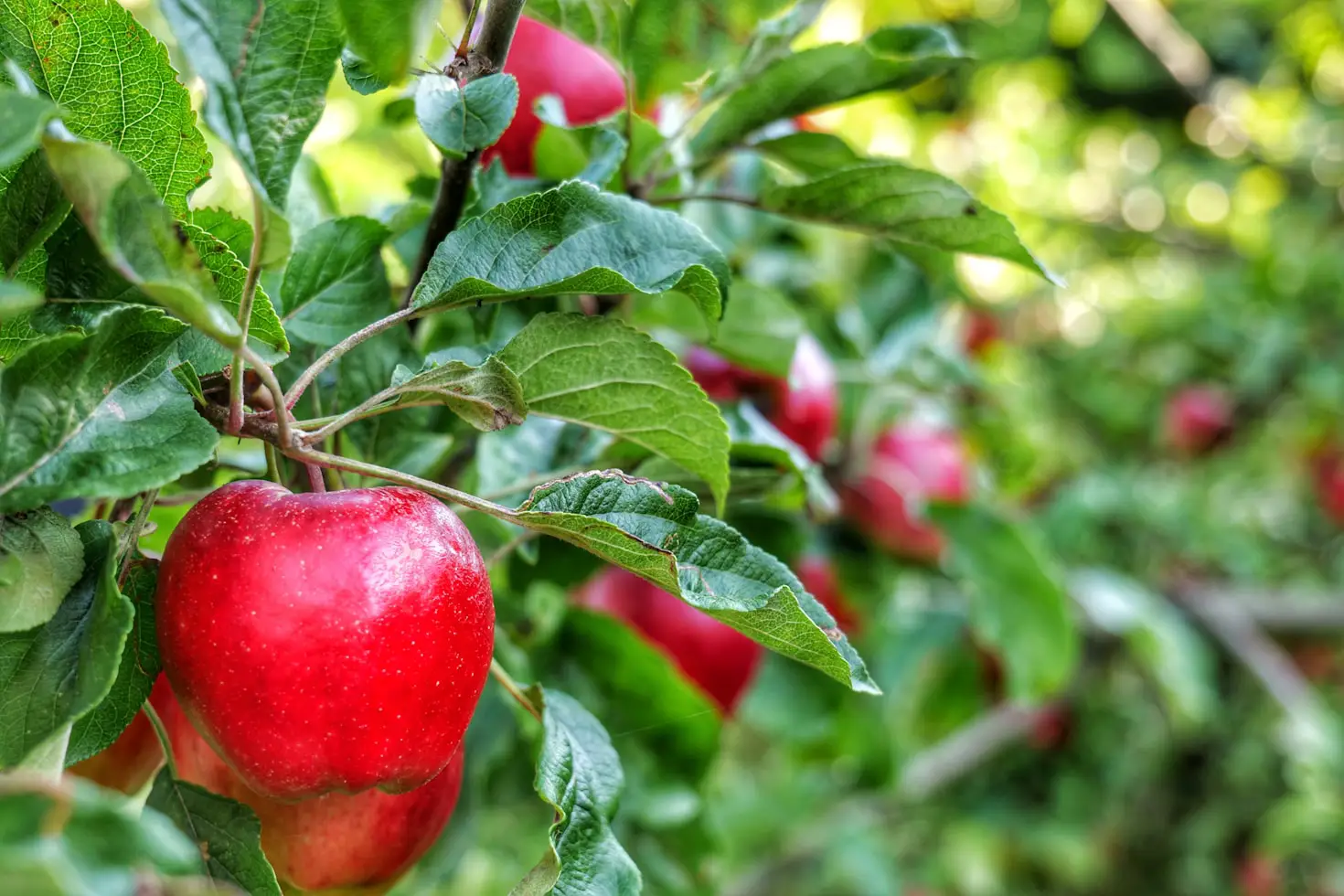

Transform your garden into a natural supermarket by growing plants with food benefits. These are not only beautiful additions to any landscape but also practical sources of nutrition. From leafy greens to fruit-bearing shrubs and herbs, integrating plants food into your garden design ensures a fresh and sustainable supply of homegrown ingredients. These food-producing plants can thrive in all types of spaces, from backyards to balconies, making them ideal for anyone looking to live a greener, healthier lifestyle. Discover how easy it is to cultivate plants with food and enjoy the dual rewards of beauty and nourishment.
What Are Plants with Food, and Why Should You Grow Them?
Plants with food refer to any plant that provides edible parts such as fruits, vegetables, herbs, seeds, or flowers. These include traditional plant foods like tomatoes and lettuce, as well as less obvious choices like nasturtiums or rosemary. Growing your own food plants not only provides fresh, organic produce but also reduces reliance on store-bought goods. It’s a great way to lower your carbon footprint, promote sustainability, and enjoy better-tasting food. Plus, maintaining these plants can be therapeutic, making gardening a rewarding hobby. Cultivating plants with food adds purpose and productivity to your outdoor space.
Top Plants with Food You Can Easily Grow at Home
Whether you have a full landscape or a small patio, many plants with food are easy to grow in your garden or containers. When you decide to plant plants like tomatoes, peppers, and herbs like basil, you’ll find they require minimal space and care. Strawberries and dwarf fruit trees are perfect for containers, while beans and peas can be trained to climb fences. Edible flowers like calendula or nasturtiums add color and nutrition. These versatile plant foods are great for beginners and experienced gardeners alike. By choosing the right plants, you can enjoy a thriving homegrown harvest with minimal effort. Instead of relying on a pre-packaged delivery from a service like edible arrangements miami gardens fl, you get the pure, unmatched satisfaction of stepping outside and picking live, nutrient-dense fruits right off the branch.
How Plants with Food Support a Sustainable Lifestyle
Growing plants with food at home promotes a more sustainable and eco-conscious way of living. These plant foods reduce the need for packaging, transportation, and chemical pesticides often used in commercial agriculture. By growing your own food, you help conserve natural resources and reduce waste. In addition, composting plant waste feeds your garden soil, creating a closed-loop system. Harvesting straight from your garden also encourages seasonal eating, which is better for your health and the planet. Overall, cultivating food-producing plants is a small but impactful step toward sustainable living.
Edible Beauty: Ornamental Plants with Food Value
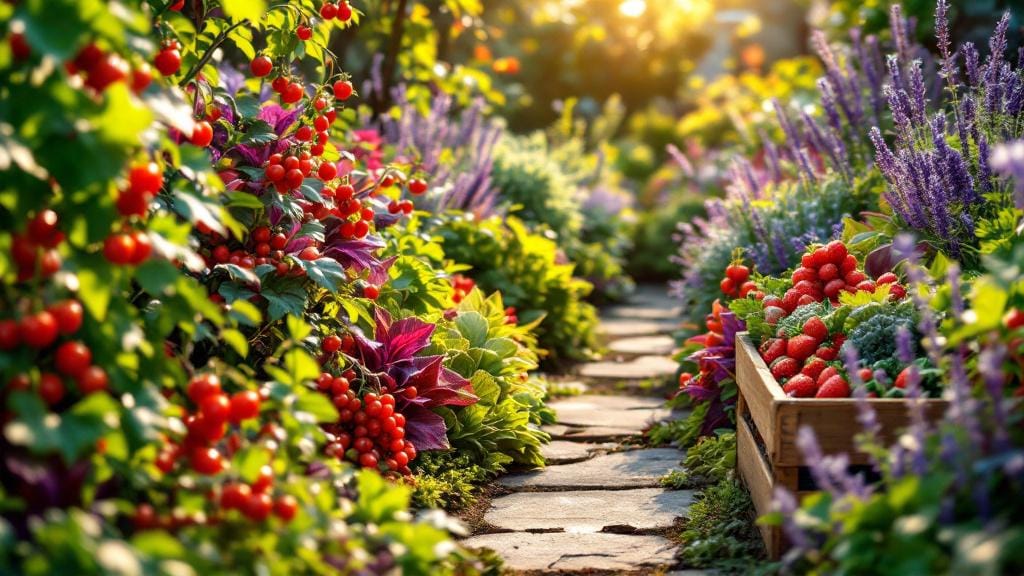
You don’t have to choose between beauty and function; many ornamental plants also provide edible parts. Lavender, rosemary, and thyme are lovely landscape additions that double as culinary herbs. Swiss chard offers vibrant stems and leafy greens perfect for meals. Nasturtiums and pansies bring colorful blooms that are both decorative and edible. These plants with food serve dual purposes, blending aesthetics with practicality. Integrating edible ornamental plants food adds elegance and usefulness to any garden design while keeping your outdoor space lush, inviting, and delicious.
Low-Maintenance Plants with Food for Busy Gardeners
Not everyone has time for daily gardening tasks, but many plants with food are low-maintenance and forgiving. Herbs like mint, oregano, and chives grow easily with little attention. Perennials such as rhubarb, asparagus, and berry bushes come back each year with minimal care. Leafy greens like kale or mustard grow quickly and tolerate variable conditions. These easy-care plants require basic watering and occasional pruning. Ideal for busy gardeners, these options ensure you can still enjoy fresh homegrown food without spending hours tending to your garden.
Plants with Food That Thrive in Small Spaces or Containers
Even if you have limited outdoor space, you can still grow plenty of plants with food in containers or compact beds. Cherry tomatoes, lettuce, radishes, and herbs are excellent for balcony or patio gardens. Dwarf varieties of fruit trees and bush beans thrive in pots, while vertical planters can hold strawberries, spinach, or microgreens. These space-saving plant foods are perfect for urban settings or small homes. With the right containers and soil, even a windowsill can become a productive mini garden full of nutritious and flavorful harvests.
How to Pair Decorative Plants with Food Crops for Stunning Gardens
Blending decorative plants with plant food allows you to enjoy a garden that’s both beautiful and edible. Pair flowering perennials with leafy vegetables for color and contrast. Use herbs as ground covers around fruit-bearing shrubs or tuck edible flowers into flower beds. Consider companion planting strategies—such as planting marigolds near tomatoes to boost pest resistance and visual appeal. This balanced approach not only supports healthy plant growth but also creates a cohesive, eye-catching garden design. With thoughtful planning, your plant’s food can be both practical and ornamental.
The Health Benefits of Growing Your Own Plants with Food
Growing your own plants with food has numerous health benefits. It ensures access to fresh, pesticide-free produce, improving your diet with more vitamins, minerals, and antioxidants. Gardening also encourages physical activity and reduces stress, which supports mental well-being. When you grow your own plant food, you’re more likely to consume fresh vegetables and herbs regularly. Moreover, it fosters a better understanding of what you eat and how it’s grown. In the long term, cultivating your own food can lead to healthier eating habits and improved overall wellness.
Plants with Food That Attract Pollinators and Boost Biodiversity
Many plants with food also support essential pollinators like bees, butterflies, and hummingbirds. Plants such as lavender, thyme, basil, and sunflowers provide both food for you and nectar for pollinators. Attracting beneficial insects promotes biodiversity and improves crop yields through better pollination. Growing diverse plants food helps create a balanced, thriving ecosystem in your garden. By choosing pollinator-friendly edible plants, you contribute to environmental health while enjoying the fruits of a more productive and vibrant garden.
Creative Garden Design Using Plants with Food in Every Corner
A well-designed garden using plants with food can be as stylish as it is functional. Incorporate raised beds along pathways, use hanging baskets for herbs, and frame entrances with berry bushes or climbing beans. Use geometric patterns or color contrasts to arrange plants food for visual interest. Even edible walls or vertical gardens can maximize space. Mixing form with function makes gardening more enjoyable and efficient. A creative layout allows you to harvest fresh food while enjoying a beautifully arranged garden space.
Transform your garden into a natural supermarket by growing plants with food benefits. These are not only practical sources of nutrition but also key elements to transform your outdoor space into a stunning retreat. From leafy greens to fruit-bearing shrubs, integrating these plants ensures a fresh and sustainable supply of homegrown ingredients. Crafting your own organic fruit display beats any store-bought gift basket from edible arrangements springfield gardens, giving you a living, breathing landscape that feeds both the eyes and the family all year round.


