
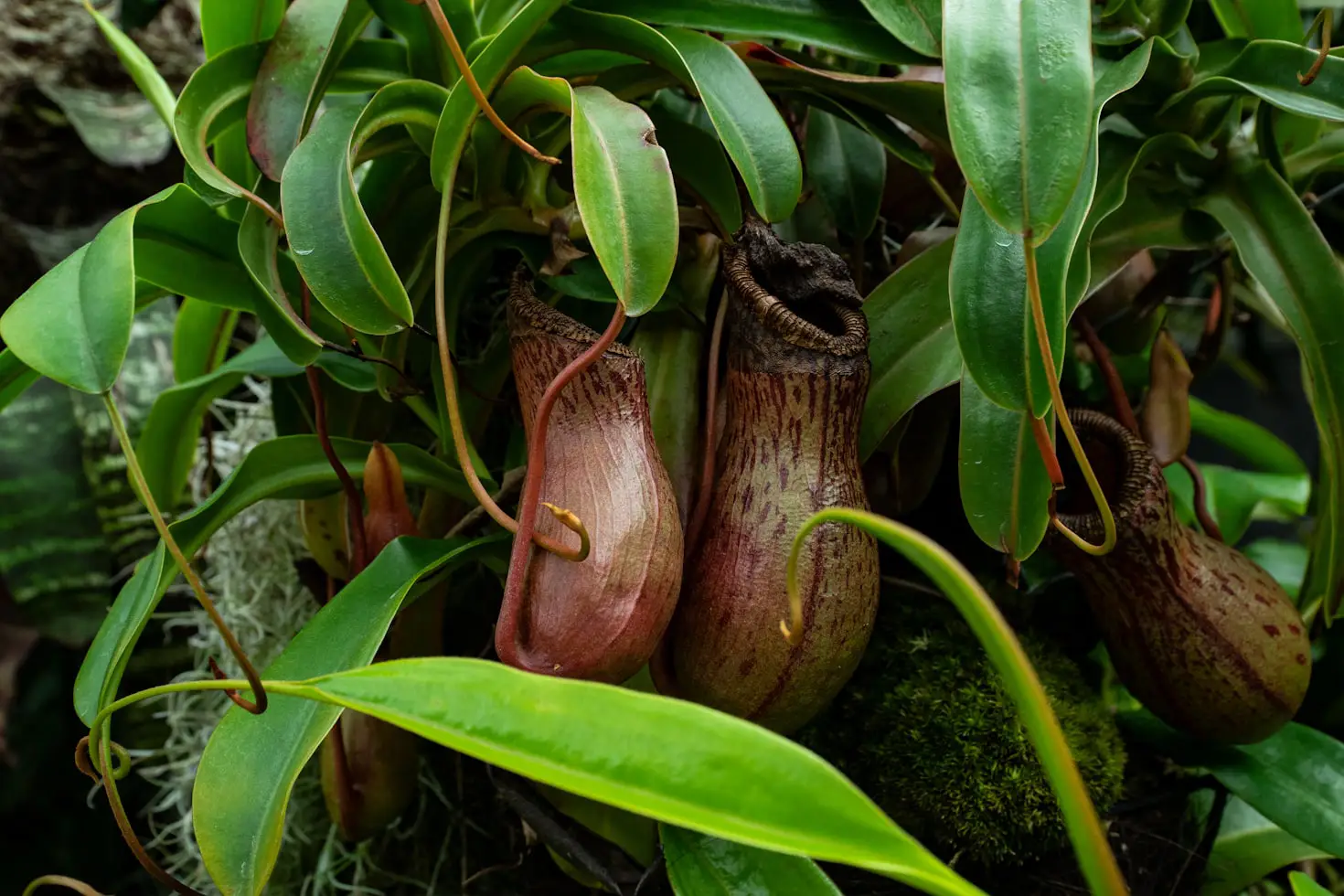

Pitcher plant bogs are fascinating ecosystems where specialized pitcher plants thrive in nutrient-poor, acidic wetlands. These unique habitats are home to carnivorous plants that capture insects to supplement their nutrition, making them nature’s living traps. Pitcher bogs not only offer ecological value but also captivate gardeners and nature enthusiasts with their unusual flora. Understanding these environments helps gardeners recreate similar conditions in their own landscapes. Whether you want to appreciate the beauty of pitcher bogs or cultivate your own, this article explores their unique features, care, and ecological importance.
What Is a Pitcher Plant Bog and Why Is It Unique?
A pitcher plant bog is a wetland habitat characterized by acidic, water-saturated soils that support pitcher plants and other specialized vegetation. Unlike typical gardens, pitcher bogs are nutrient-poor, forcing plants to adapt by capturing insects for sustenance. This unique adaptation allows pitcher plants to survive in challenging environments where few other species can. The distinctive tubular traps of pitcher plants attract and digest prey, adding ecological intrigue to these bogs. Pitcher plant bogs are essential for biodiversity, providing habitat for rare plants and animals, making them a valuable natural resource.
How Pitcher Plants Thrive in Bog Environments
Pitcher plants have evolved to flourish in the wet, acidic conditions of bog environments where nutrients are scarce. Their tubular leaves act as traps to lure and digest insects, compensating for poor soil nutrition. These plants thrive in consistently moist, well-drained soils with low mineral content, often found in peat-rich bogs. High humidity and ample sunlight further support their growth. The structure of the pitcher’s trap, combined with digestive enzymes, ensures nutrient absorption. By adapting to these extreme conditions, pitcher plants maintain a vital role in bog ecosystems.
Top Species Found in Pitcher Plant Bogs
Several notable pitcher plant species inhabit pitcher plant bogs worldwide. In North America, the Northern pitcher plant (Sarracenia purpurea) is common, known for its deep purple traps. The trumpet pitcher plant (Sarracenia flava) features bright yellow, tubular leaves. The cobra lily (Darlingtonia californica), native to the West Coast, has uniquely shaped traps resembling a striking cobra. These species vary in size, color, and trapping mechanisms, but all share an adaptation to bog environments. Including native species when creating a pitcher plant bog garden enhances ecological balance and authenticity.
Creating Your Own Pitcher Plant Bog Garden at Home
To create a pitcher plant bog garden, replicate the natural wet, acidic conditions these plants prefer. Use a soil mix rich in peat moss and sand to maintain moisture and acidity. Ensure the garden remains consistently moist but well-drained, avoiding stagnant water. Position your bog garden in a location with full to partial sunlight. Use rainwater or distilled water for irrigation, as pitcher plants are sensitive to minerals found in tap water. Starting with native pitcher plant species ensures the best growth and helps support local ecosystems.
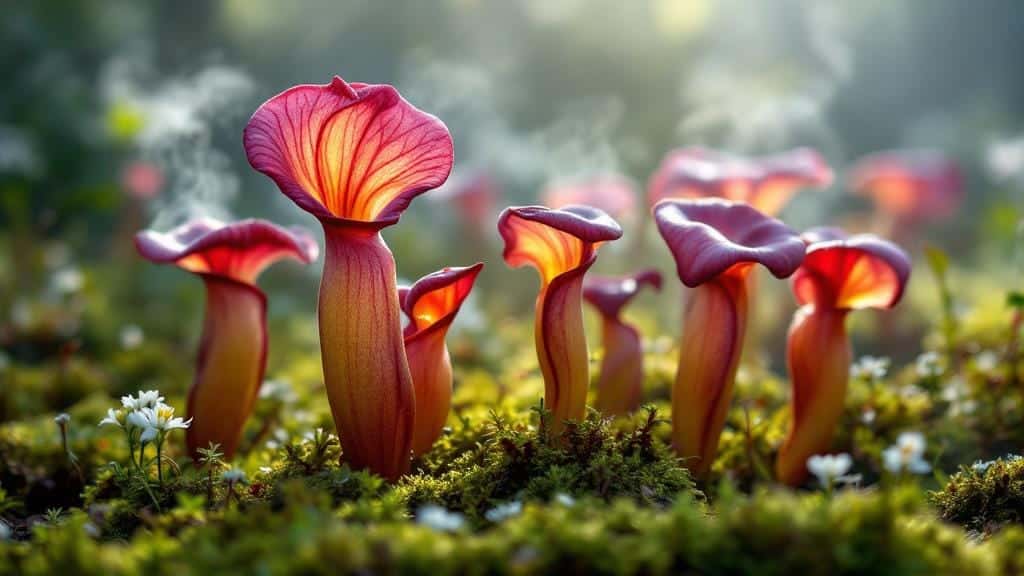
The Role of Pitcher Plant Bogs in Local Ecosystems
Pitcher plant bogs contribute significantly to local ecosystems by supporting diverse plant and animal life. They provide critical habitat for rare and endangered species, including amphibians, insects, and birds. Pitcher plants themselves regulate insect populations by capturing prey, indirectly influencing the surrounding biodiversity. These bogs help maintain water quality by filtering runoff and storing carbon. Protecting pitcher plant bogs preserves their ecological functions, making them important natural resources that contribute to environmental health and stability.
Common Challenges When Growing Pitcher Plants in Bogs
Growing pitcher plants in bog settings can be challenging due to their specific requirements. Maintaining consistent moisture without waterlogging roots is crucial. Avoid using tap water, as minerals can harm pitcher plants. Nutrient imbalances, improper sunlight exposure, and poor soil acidity can inhibit growth. Pests like aphids or fungal diseases may also affect plants if conditions are suboptimal. Awareness of these challenges and adapting care techniques, such as using appropriate soil, watering with pure water, and ensuring good airflow, can improve the success of your pitcher plant bog garden.
How to Care for Pitcher Plants in a Bog Setting
Caring for pitcher plants in a bog setting involves replicating their natural environment as closely as possible. Water plants regularly with rainwater or distilled water to maintain moist soil without mineral buildup. Provide bright, indirect sunlight or partial shade, depending on the species. Avoid fertilizing, as pitcher plants obtain nutrients from captured prey. Remove dead or dying leaves to prevent disease. Regularly check for pests and treat infestations promptly. Proper care ensures healthy growth and enhances the captivating beauty of your pitcher plant bog garden.
Pitcher Plant Bogs as Natural Pest Control Habitats
Pitcher plant bogs naturally control insect populations by trapping and digesting various pests such as mosquitoes, flies, and ants. This carnivorous feeding behavior reduces reliance on chemical pesticides, making pitcher bogs environmentally friendly pesticide management solutions. Additionally, the presence of pitcher plants encourages balanced ecosystems by supporting predator-prey dynamics. Incorporating pitcher plant bogs into gardens or natural areas offers an elegant way to manage pests while fostering biodiversity and sustaining ecological health.
Design Ideas for Enhancing Your Pitcher Plant Bog Garden
Designing a pitcher plant bog garden allows creativity with naturalistic and functional elements. Use layered plantings of various pitcher plant species alongside complementary bog plants like sphagnum moss or sedges. Incorporate water features or shallow pools to maintain moisture. Adding rocks or driftwood creates visual interest and habitat diversity. Group plants based on light and water needs for optimal health. Subtle pathways enable maintenance access without disturbing sensitive plants. These design tips help you create a thriving, visually stunning pitcher plant bog garden.
To complement the striking look of carnivorous traps, you can bring life to wetlands with bog flowers, which add a splash of color and help transform moist garden areas into a complete ecosystem.
Conservation Efforts and the Future of Pitcher Plant Bogs
Conservation efforts are vital for protecting pitcher plant bogs, which face threats from habitat destruction, pollution, and climate change. Many organizations promote habitat restoration and sustainable management to preserve these unique wetlands. Public education about the ecological importance of pitcher bogs encourages community involvement. Cultivating pitcher plants in home gardens can also support conservation by reducing wild harvesting pressures. The future of pitcher plant bogs depends on continued awareness and protective actions to ensure these extraordinary ecosystems endure for generations.


