
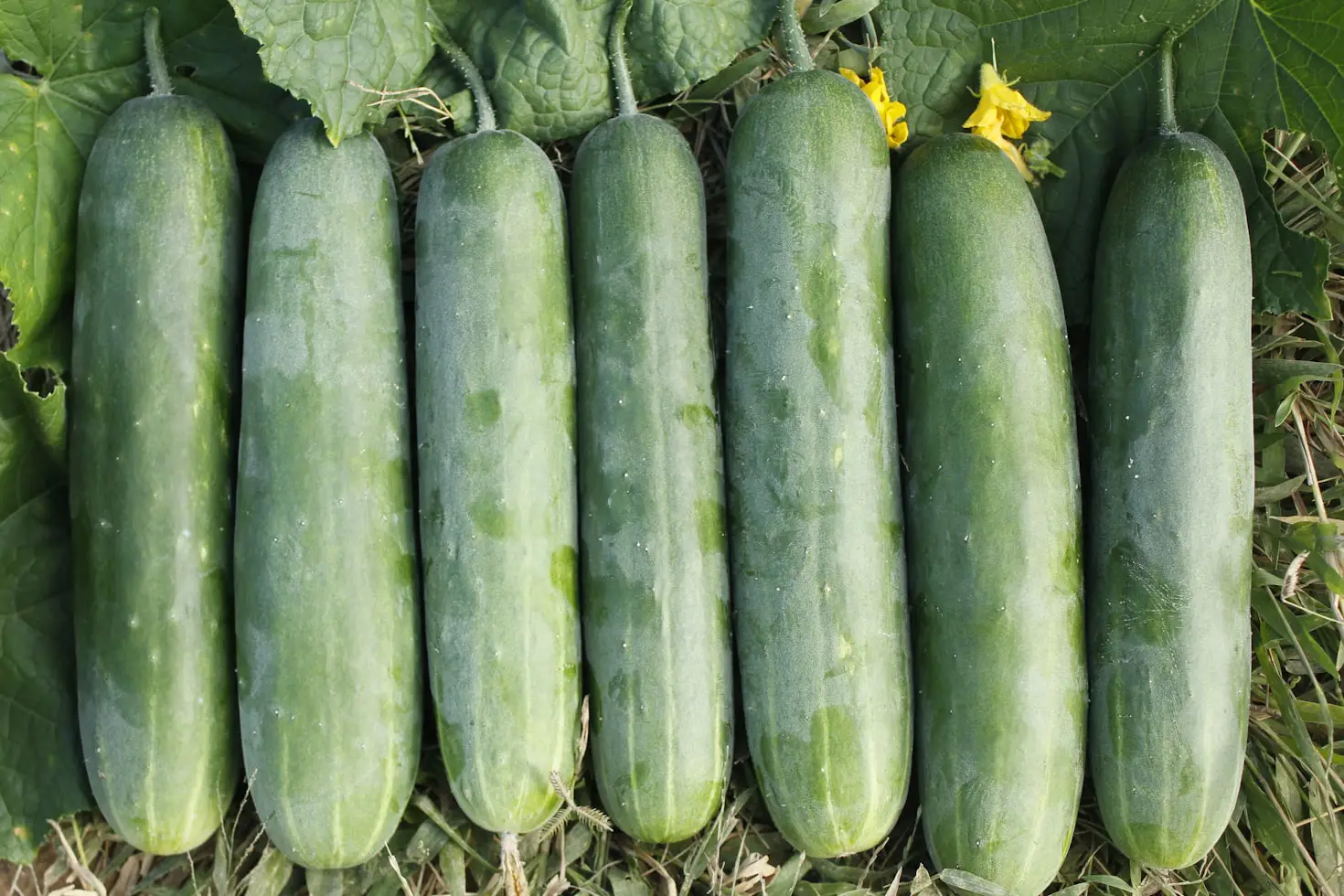

Square-foot gardening cucumbers is a smart and efficient method for home gardeners who want high yields with minimal space. Whether you’re growing in a raised bed, balcony, or small backyard, this method makes it easier to cultivate fresh, crunchy cucumbers without the need for a large plot. With the right soil, sunlight, and vertical training, even beginners can enjoy the satisfaction of gardening cucumbers in just a few square feet. In this guide, we’ll show you everything you need to grow thriving cucumber plants with space-saving success.
Why Square Foot Gardening Is Ideal for Growing Cucumbers
Square foot gardening offers a grid-based layout that is perfect for organizing plant spacing and maximizing productivity. Cucumbers tend to sprawl, but in this method, they are encouraged to grow vertically, saving horizontal space and improving air circulation. This technique also reduces weeding and makes watering more efficient. Because you manage soil quality and spacing more precisely, cucumbers benefit from a healthier root zone and fewer pest problems. It’s a sustainable and space-conscious way to grow cucumbers, especially for those in urban or small garden settings.
How Many Cucumber Plants Per Square Foot?
In square foot gardening, plant spacing is key. For gardening cucumbers, the rule of thumb is one plant per square foot if you’re growing vertically with a trellis. If you plan to let them sprawl, they will need 2–4 squares per plant. Vertical growing is preferred, as it keeps fruit clean, improves access to sunlight, and increases airflow, reducing the risk of disease. Proper spacing ensures each cucumber plant has room to flourish while maintaining the dense, organized layout that defines square foot gardening. Following these raised bed gardening tips for beginners, like using a vertical trellis and keeping the grid consistent, is the fastest way to turn a small space into a high-yielding harvest zone
Cucumbers are very efficient with space, but if you want to grow other large summer favorites, you can also learn about square foot gardening zucchini to ensure your entire raised bed is planned perfectly.
Best Cucumber Varieties for Small-Space Gardening
Choosing the right cucumber variety is crucial in square-foot gardening. Look for compact, bush-type or vining varieties that do well in tight spaces and on trellises. Some excellent options include ‘Spacemaster,’ ‘Bush Champion,’ and ‘Patio Snacker’ for bush types. For vining cucumbers, ‘Marketmore 76’ and ‘Straight Eight’ are popular for their high yield and resistance to disease. Opting for disease-resistant varieties can help reduce the need for pesticides, aligning with the sustainable nature of gardening cucumbers in a square foot garden.
Preparing the Perfect Soil Mix for Cucumber Growth
Healthy soil is the foundation of successful gardening for cucumbers. In square-foot gardening, the classic mix includes one-third peat moss or coconut coir, one-third vermiculite, and one-third blended compost. This mixture is light, retains moisture, and drains well—ideal for cucumbers, which need consistent moisture without waterlogging. Before planting, enrich the soil with aged compost or organic fertilizer high in nitrogen and potassium to support leafy growth and fruit development. Keeping the soil well-aerated and nutrient-rich ensures your cucumber plants will thrive in their limited space.
Sunlight, Water, and Temperature Needs for Cucumbers
Cucumbers are warm-season crops and need at least 6–8 hours of full sunlight daily. In a square-foot gardening setup, place your cucumber squares in the sunniest section of the bed. Cucumbers also need consistent watering, about 1 inch per week, or more during hot spells. Uneven watering can lead to bitter fruit or poor development. Ideal temperatures for growing cucumbers range from 70–95°F (21–35°C). Mulching the soil helps retain moisture and regulate temperature. Meeting these basic needs is essential for healthy, productive gardening of cucumbers.
Training Cucumbers to Grow Vertically in a Square-Foot Garden
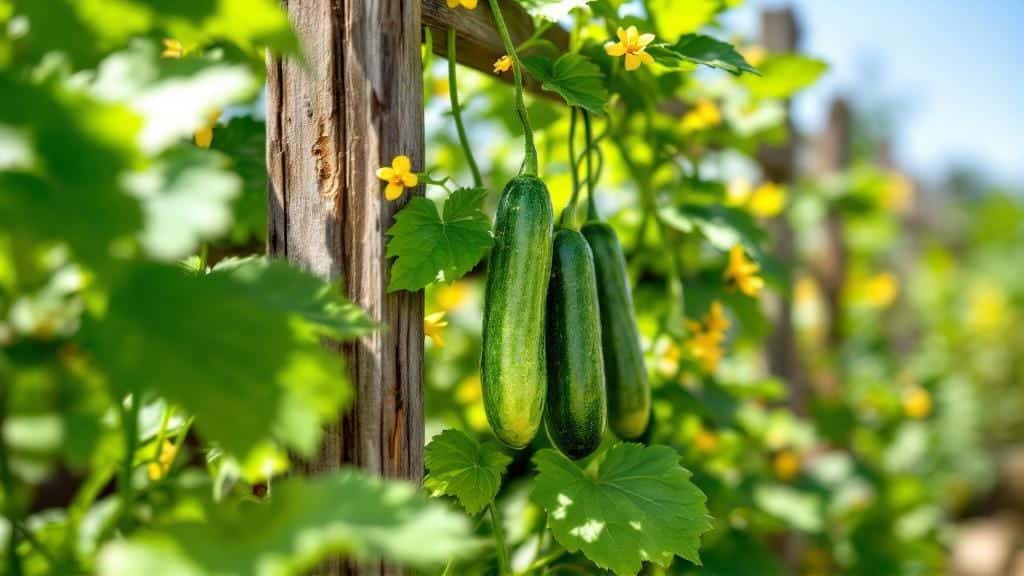
To maximize space in square-foot gardening, training cucumbers to grow vertically is a game-changer. Use sturdy trellises, cages, or netting to support the vines as they climb. Vertical growth improves air circulation, reduces fungal diseases, and keeps fruit off the ground, resulting in straighter, cleaner cucumbers. It also makes harvesting easier. Secure vines gently using soft ties or garden clips. Training your gardening cucumbers early, when plants are young, is important to avoid stress or breakage as they grow taller and heavier.
Companion Plants That Work Well with Cucumbers
Companion planting is a great way to boost the productivity of your square-foot gardening layout. Cucumbers grow well alongside radishes, beans, lettuce, and nasturtiums, which can help deter pests. Dill, oregano, and sunflowers also attract beneficial insects that protect cucumbers from common threats like aphids or cucumber beetles. Avoid planting cucumbers near potatoes or aromatic herbs like sage, as they can hinder cucumber growth. Smart companion planting supports a balanced micro-ecosystem and healthier gardening of cucumbers without relying on synthetic solutions.
Avoiding Common Mistakes in Square Foot Gardening Cucumbers
While square-foot gardening cucumbers is easy to learn, there are some mistakes to avoid. Overcrowding plants, skipping trellis support, or using poor-quality soil can lead to weak growth or disease. Inconsistent watering often causes bitter or misshapen fruit. Additionally, not rotating crops can deplete soil nutrients or increase the risk of pests. Be sure to monitor plants regularly for signs of stress, and apply organic fertilizer during the growing season. Avoiding these pitfalls ensures a bountiful harvest from your compact cucumber garden.
Harvesting Tips for Crisp and Healthy Cucumbers
Knowing when and how to harvest your garden cucumbers is key to flavor and texture. Cucumbers should be picked when they are firm, uniformly green, and 6–8 inches long (depending on the variety). Avoid letting them get too large, as they can become bitter or seedy. Use pruning shears or twist gently to avoid damaging the vine. Regular harvesting encourages more fruit production. In a square foot gardening system, where space is limited, timely harvesting ensures plants continue producing throughout the growing season.
Growing Cucumbers Year-Round in a Square Foot Garden
In warmer climates or with the help of cold frames and mini greenhouses, it’s possible to grow gardening cucumbers beyond the summer months. Start seeds indoors 3–4 weeks before the last frost, and transplant once nighttime temps stay above 60°F. For fall or winter gardening, choose fast-maturing or compact varieties and protect plants from frost with covers. Indoors, cucumbers can be grown in containers with adequate lighting. Extending the season allows square foot gardening enthusiasts to enjoy fresh cucumbers longer, even in cooler zones.


