

Choosing the right garden shed roof pitch is essential for both the appearance and longevity of your shed. The roof pitch refers to the angle of the roof, which affects water drainage, snow load management, and overall structural integrity. A well-planned shed roof pitch ensures your garden shed can withstand various weather conditions while complementing your outdoor space. Whether you prefer a steep slope for heavy rainfall or a gentler angle for a modern look, understanding the factors that influence roof pitch will help you make the best decision for your garden shed’s style and durability.
Understanding Garden Shed Roof Pitch and What It Means
The term garden shed roof pitch describes the steepness or slope of your shed’s roof, usually measured as a ratio of vertical rise to horizontal run. For example, a 4:12 pitch means the roof rises 4 inches for every 12 inches of horizontal distance. This angle is crucial because it determines how efficiently rainwater or snow will run off your garden shed roof. A proper pitch prevents water pooling, reduces leaks, and extends the life of your shed. Knowing this concept is the first step in selecting a functional and visually pleasing roof design.
How Roof Pitch Affects Garden Shed Durability
The durability of your garden shed roof greatly depends on its pitch. Steeper pitches allow water and debris to slide off quickly, preventing moisture buildup that can cause rot or leaks. In regions with heavy snowfall, a steep shed roof pitch is vital to avoid excessive snow load, which could damage or collapse the roof. Conversely, very low pitches might require specialized materials to resist water pooling. Ultimately, choosing the right pitch protects your shed’s structure and materials, ensuring it remains strong and durable for years to come.
Choosing the Right Roof Pitch for Your Garden Shed
Selecting the correct garden shed roof pitch depends on several factors, including climate, shed size, and aesthetic preferences. In wetter climates, a steeper pitch is advisable to promote drainage and reduce moisture problems. If you want a modern or minimalist look, a flat or low-slope roof might suit your style but may require extra waterproofing. Additionally, consider the shed’s function: if you plan to store equipment or create extra storage space, a higher pitch can provide more headroom inside. Balancing these elements will help you pick the ideal roof pitch.
Popular Roof Pitch Styles for Garden Sheds
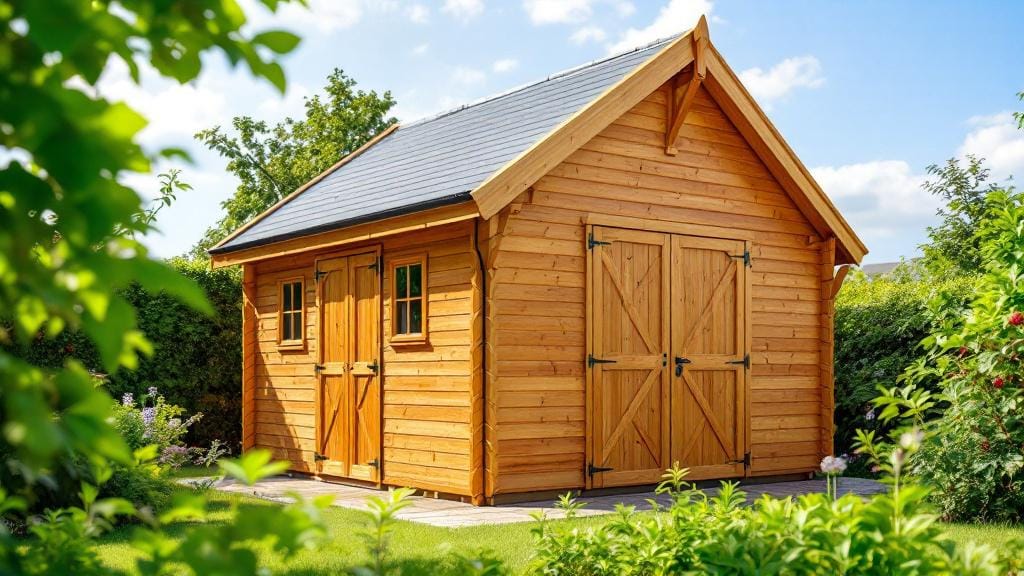
Several garden shed roof styles incorporate different pitches to match functionality and design. The gable roof, featuring a symmetrical steep pitch, is one of the most popular due to its efficient water runoff and classic appearance. The pent or shed roof has a single slope and is often used for smaller or modern sheds. Hip roofs, with slopes on all sides, offer great wind resistance but are more complex to build. Each style utilizes a specific shed roof pitch that contributes to its durability and aesthetic appeal, making it essential to choose one that fits your needs.
Roof Pitch and Weather: What Works Best in Different Climates
Your local climate plays a significant role in determining the best garden shed roof pitch. In areas with heavy rain or snow, a steeper pitch (usually above 6:12) ensures water and snow slide off efficiently, preventing damage. In milder or arid climates, lower pitches (2:12 to 4:12) may suffice and can complement modern architectural styles. Additionally, regions prone to strong winds benefit from certain roof shapes combined with an appropriate pitch to minimize uplift. Understanding your weather patterns helps you select a roof pitch that balances protection and style.
Calculating the Roof Pitch: A Simple Guide
Calculating your garden shed roof pitch is easier than it seems. Start by measuring the vertical height the roof rises over a specific horizontal length, typically over a 12-inch run. The pitch is expressed as “rise over run,” such as 3:12 or 5:12. You can also calculate the pitch angle using basic trigonometry or a pitch calculator available online. Accurate measurements ensure your shed’s roof is built to withstand local weather and provides adequate drainage. Precise pitch calculation is key to a successful shed roof pitch design.
Impact of Roof Pitch on Shed Interior Space
The garden shed roof pitch affects more than just weather protection—it also influences the shed’s interior space. Steeper roofs provide increased headroom and potential loft storage, making the shed more functional for various uses. Conversely, low-pitched or flat roofs offer a more compact profile but limit usable overhead space. When planning your shed, consider whether additional interior volume is important to you, as the roof pitch can significantly enhance or restrict your storage or workspace capacity inside.
Materials Best Suited for Different Garden Shed Roof Pitches
Different garden shed roof materials perform better depending on the roof pitch. Asphalt shingles are versatile and work well on pitched roofs, typically requiring a minimum pitch of 2:12 for proper water runoff. Metal roofing is also popular for steep pitches due to its durability and rain-shedding capabilities. For low or flat roofs, materials like rubber membrane or built-up roofing are more suitable, providing waterproof protection despite minimal slope. Choosing the right materials aligned with your shed roof pitch ensures long-lasting performance.
While traditional materials work for standard slopes, those looking for a sustainable alternative can learn how to build your own eco-friendly roof oasis in the city. By extending your garden to roof areas through a DIY green roof system on a low-pitched structure, you can improve insulation and manage stormwater effectively.
Common Mistakes When Planning Your Garden Shed Roof Pitch
One common mistake when designing a garden shed roof pitch is selecting a pitch too low for the local climate, which can lead to water pooling and leaks. Underestimating the roof load capacity or forgetting to account for snow can cause structural issues. Another error is ignoring local building codes or neighborhood aesthetics, which may restrict roof height or style. Additionally, not properly calculating pitch measurements can result in improper drainage or wasted materials. Avoiding these mistakes is crucial for a durable and attractive garden shed.
Tips to Adjust Roof Pitch for DIY Garden Shed Projects
When working on a DIY garden shed roof pitch, start with accurate measurements and consider your local weather conditions. If you want to increase pitch for better drainage but have height restrictions, consider using a gable roof with moderate slopes. For simpler builds, a pent roof with a slight pitch may be easier and more cost-effective. Use lightweight, weather-resistant materials to reduce structural stress. Finally, always consult local codes and, if possible, get advice from experienced builders. These tips will help you create a strong and visually appealing garden shed roof.


