

A closed hydroponic system is an advanced method of growing plants without soil, where the nutrient-rich water solution is continuously recycled and reused. Unlike traditional farming, it minimizes water waste by maintaining a closed loop. So, what exactly is a closed hydroponic system? It’s an efficient and sustainable type of hydroponic system that reduces resource consumption and environmental impact. By circulating water through the plant roots and back into the reservoir, this system creates a self-sustaining environment ideal for modern agriculture. Farmers looking for eco-friendly solutions often ask, “Is a closed hydroponic system the future?” The answer is increasingly yes.
What Is a Closed Hydroponic System and How Does It Work?
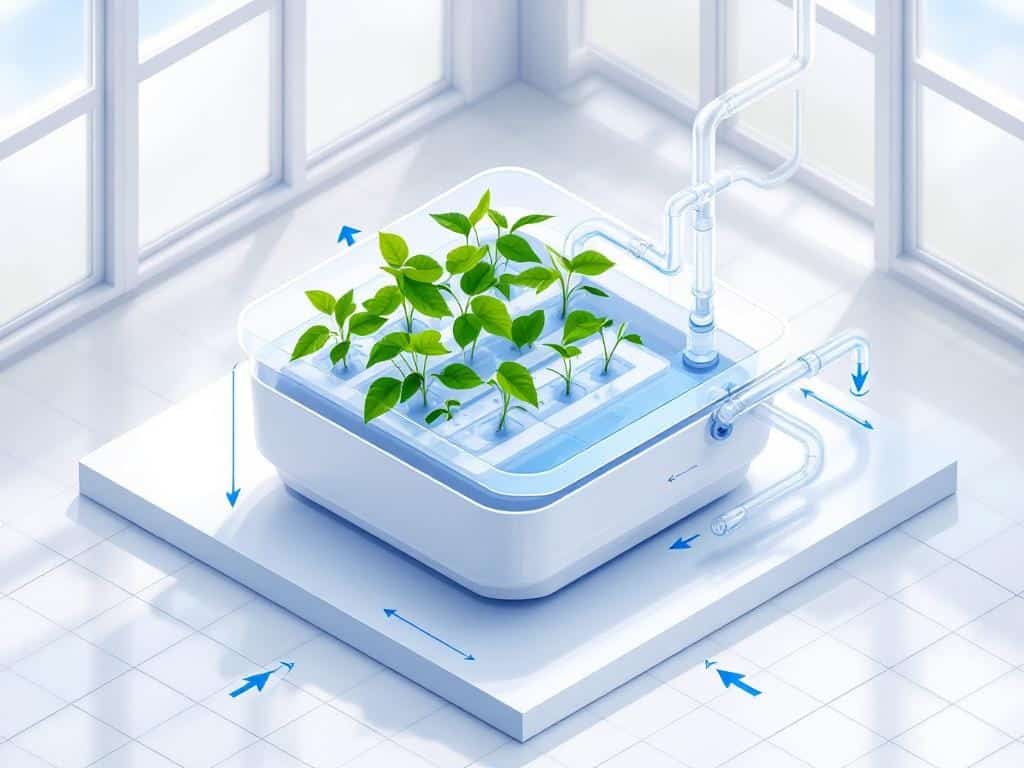
A closed hydroponic system operates by circulating a nutrient solution through a system of pipes or channels where plants grow. Once the solution passes through the root zones, it drains back into the main reservoir for reuse. Filtration and oxygenation processes maintain water quality, preventing disease and nutrient imbalances. This closed loop is monitored carefully to adjust nutrient levels and pH. Understanding what a closed hydroponic system is involves recognizing its efficiency; it minimizes waste and maximizes control. As part of a broader hydroponic system approach, it’s ideal for controlled-environment agriculture.
What Is a Closed Hydroponic System vs Open Hydroponic System?
The primary difference between closed and open hydroponic systems is water reuse. In a closed system, water and nutrients are recirculated, reducing waste. In contrast, an open hydroponic system discharges the used nutrient solution after a single pass. While open systems are simpler and may reduce disease risks, they are less sustainable. So, what is a closed hydroponic system’s advantage? Efficiency. It conserves water and nutrients, making it more eco-conscious and cost-effective long term. For growers weighing options, asking “Is a closed hydroponic system better?” depends on their goals—efficiency or simplicity.
What Is a Closed Hydroponic System: Benefits for Sustainable Farming
A closed hydroponic system supports sustainable agriculture by drastically reducing water use—up to 90% less than soil farming. It also minimizes runoff pollution, conserves nutrients, and lowers chemical use. These systems enable year-round cultivation in controlled environments, regardless of external climate. Because they require less land and use vertical space effectively, closed hydroponic systems are ideal for urban areas and regions facing water scarcity. For farmers and innovators asking what a closed hydroponic system’s role in sustainability is, it’s a key component in future-proof farming practices.
What Is a Closed Hydroponic System in Commercial Agriculture?
In commercial agriculture, a closed hydroponic system allows large-scale production with minimal waste. These systems are common in greenhouses and indoor vertical farms where water conservation and consistency are critical. Growers can fine-tune nutrients, lighting, and environment to optimize yields and reduce loss. What is a closed hydroponic system’s appeal in commercial farming? Profitability. It cuts operational costs and meets sustainability standards. Many commercial hydroponic operations now prefer closed-loop systems to align with eco-certifications and consumer demand for responsibly grown produce.
Many commercial hydroponic operations now prefer closed-loop systems to align with eco-certifications. This efficiency is especially noticeable when growing high-value crops; for instance, learning what are hydroponic strawberries can reveal how this system produces juicier and cleaner fruit compared to traditional methods.
What Is a Closed Hydroponic System and Why Is It Water Efficient?
One of the biggest advantages of a closed hydroponic system is its water efficiency. Unlike traditional farming, where most irrigation water is lost to evaporation or runoff, closed systems reuse nearly all of it. Water circulates through the system and is returned to the reservoir for continued use. This makes a closed hydroponic system perfect for drought-prone areas and urban settings where water is limited. So when people ask, “Is a closed hydroponic system truly efficient?” the answer lies in its impressive conservation stats and operational control.
What Is a Closed Hydroponic System for Indoor and Urban Farming?
Closed hydroponic systems are perfectly suited for indoor and urban farming due to their compact, clean, and controlled design. They allow growers to cultivate fresh produce in basements, rooftops, shipping containers, and warehouses. Since there’s no soil involved and little waste, urban farmers can maintain hygienic growing conditions with minimal maintenance. So, what is a closed hydroponic system’s advantage in city settings? Space-saving, scalable, and eco-friendly farming. As urban populations grow, this type of hydroponic system provides a reliable, local food production method.
What Is a Closed Hydroponic System: Pros and Cons You Should Know
Pros of a closed hydroponic system include water and nutrient efficiency, reduced environmental impact, and year-round production. It also allows for better pest control and lower chemical use. Cons may involve higher setup costs and the need for constant monitoring to prevent system imbalances. Additionally, disease can spread quickly in recirculated water if not managed properly. Still, when asking what the overall value of a closed hydroponic system is, the pros generally outweigh the cons, especially for growers prioritizing sustainability and precision farming.
What Is a Closed Hydroponic System in Recirculating Setups?
A recirculating hydroponic setup is essentially what defines a closed hydroponic system. In these setups, the same water and nutrient mix is pumped through the root systems multiple times. This cycle continues with regular filtration and adjustment, ensuring the water remains clean and nutritionally balanced. What is a closed hydroponic system in this context? It’s the core of efficient hydroponic farming, wasting nothing and controlling everything. Systems like NFT (Nutrient Film Technique) and Deep Water Culture often use this closed-loop approach, making them ideal for both hobbyists and professionals.
What Is a Closed Hydroponic System? Real-World Examples and Insights
Real-world examples of closed hydroponic systems can be found in urban farms like Gotham Greens and AeroFarms, which use advanced recirculating systems to grow lettuce, herbs, and microgreens. These farms have proven that closed systems can scale while maintaining sustainability and profitability. For many new growers asking, “What is a closed hydroponic system like in action?” These examples offer proof that it’s more than a theory; it’s a practical, working model. Insights from these operations show that with careful planning and technology, hydroponic systems can redefine modern agriculture.


