
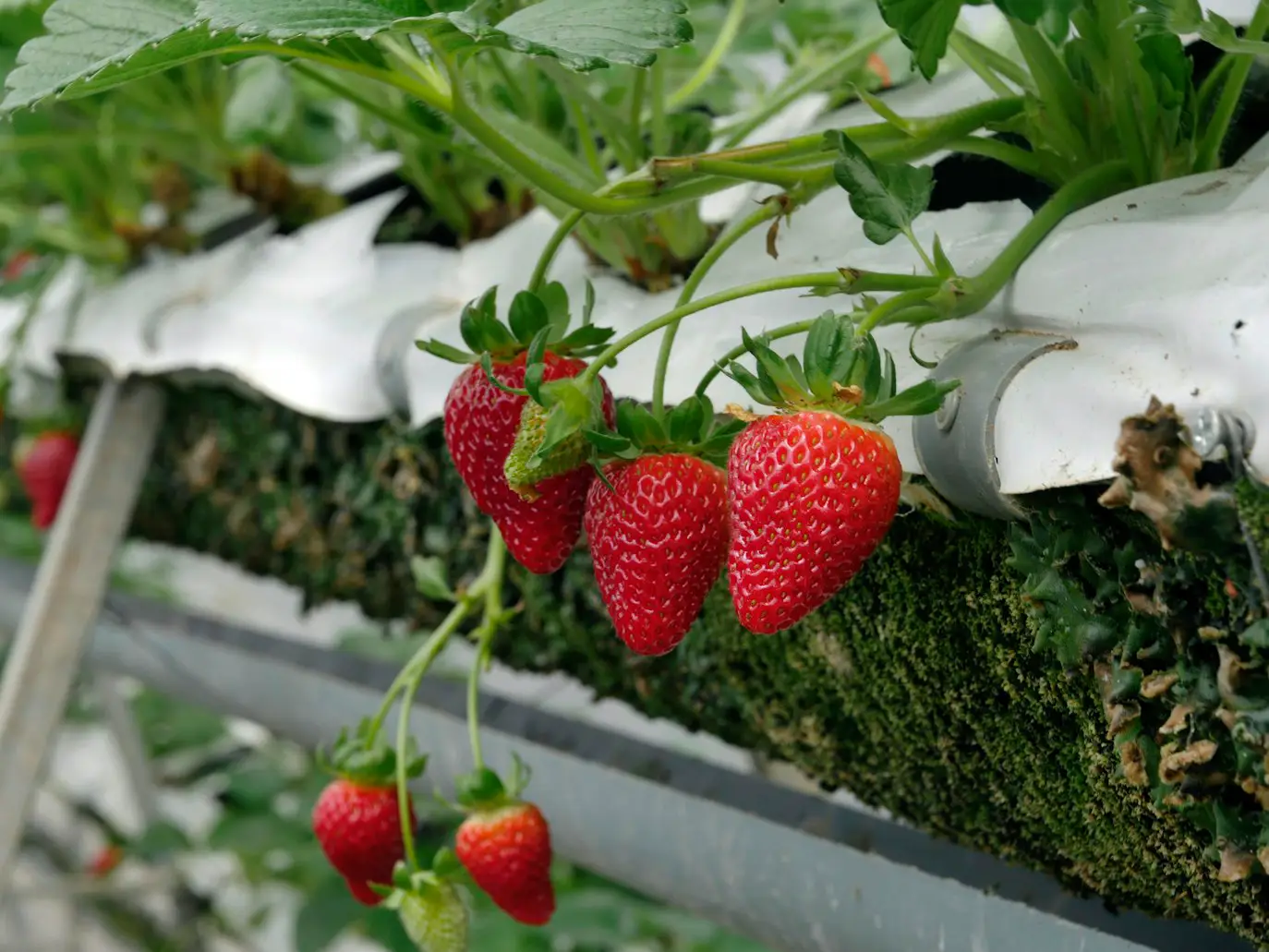

Hydroponic strawberries are strawberries grown without soil, using nutrient-rich water solutions in controlled environments. This soil-free farming method allows plants to receive optimal nutrients directly to their roots, resulting in faster growth and higher yields. Hydroponic strawberries are gaining popularity for their consistent quality and reduced pesticide use. If you wonder what hydroponic strawberries are and why they matter, these berries offer a sustainable and space-efficient way to cultivate strawberries year-round, regardless of outdoor weather conditions.
How Do Hydroponic Strawberries Grow Without Soil?
Hydroponic strawberries grow by immersing their roots in water infused with essential nutrients instead of soil. The plants are supported by inert mediums like coconut coir or perlite, which provide stability. This system ensures the roots get adequate oxygen and nutrients directly, promoting healthier growth. The absence of soil reduces pests and diseases, making it easier to manage plant health. Hydroponic strawberries thrive in controlled environments such as greenhouses or indoor farms, where light, temperature, and humidity are optimized for maximum fruit production.
What Are Hydroponic Strawberries Compared to Traditional Ones?
Compared to traditional soil-grown strawberries, hydroponic strawberries often have a cleaner appearance and more uniform size. Since they are grown in a controlled environment, these berries are less exposed to pests and environmental stress. Hydroponic strawberries can be harvested year-round, unlike seasonal field crops. Additionally, hydroponic systems reduce water usage by recycling nutrient solutions. While taste and quality can be similar or better, the consistently growing conditions in hydroponics help deliver premium fruit, making them a popular choice among consumers and growers alike.
What Are Hydroponic Strawberries Like in Taste and Texture?
Hydroponic strawberries generally offer a sweet, juicy flavor with a firm yet tender texture. Because these strawberries grow in optimal conditions with precise nutrient delivery, they often have enhanced sweetness and aroma. Some growers report that hydroponic strawberries retain freshness longer than soil-grown varieties due to reduced exposure to soil-borne contaminants. However, taste can vary depending on the specific hydroponic system and nutrient mix used. Overall, hydroponic strawberries provide a delicious, high-quality alternative to traditional strawberries.
What Are Hydroponic Strawberries? Benefits of Soil-Free Cultivation
The benefits of hydroponic strawberries include faster growth rates, higher yields, and reduced water consumption. Soil-free cultivation eliminates many soil-borne pests and diseases, lowering the need for pesticides. Hydroponic strawberries require less space, making them ideal for urban farming and indoor production. Controlled environments ensure consistent quality and reduce crop loss due to weather fluctuations. Additionally, hydroponic systems enable year-round production, providing fresh strawberries regardless of season, which helps meet market demand more effectively.
Additionally, hydroponic systems enable year-round production, providing fresh strawberries regardless of season. While strawberries are a popular choice, researchers are also experimenting with grains; you might be surprised to see what rice looks like in a hydroponic system and how it differs from traditional paddy fields.
How Are Hydroponic Strawberries Grown Indoors?
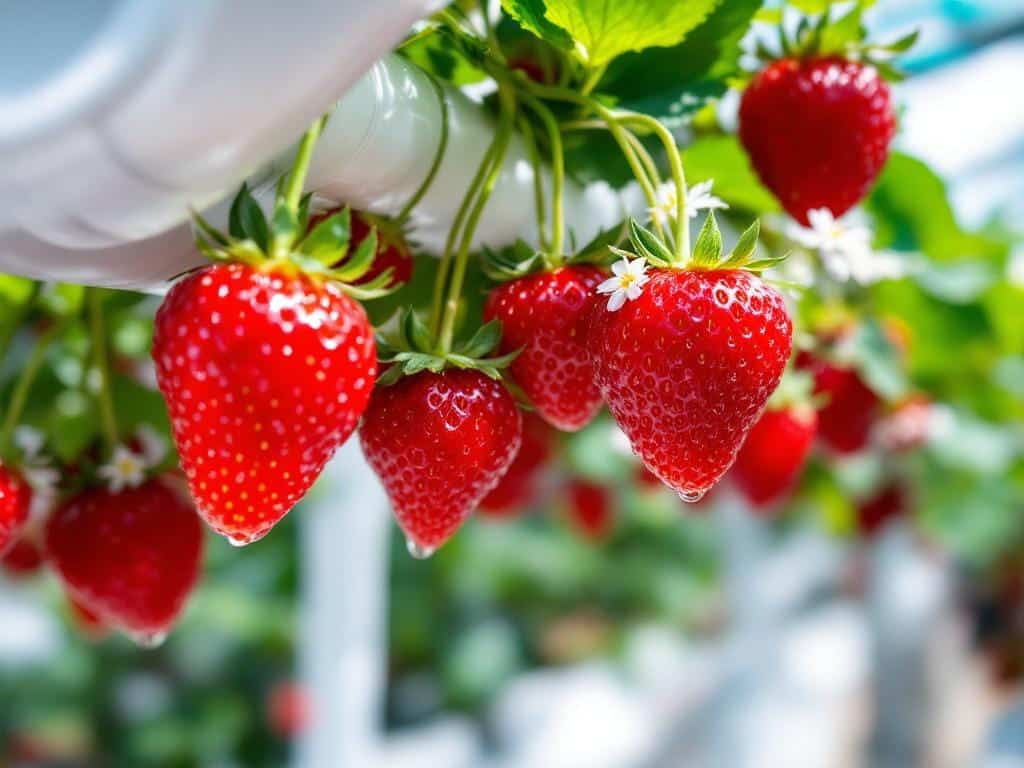
Hydroponic strawberries grown indoors utilize artificial lighting, temperature control, and humidity regulation to create ideal growing conditions. Plants are arranged in vertical racks or horizontal beds filled with inert growing mediums. Nutrient solutions are circulated through the system to keep roots hydrated and nourished. Indoor setups protect strawberries from pests and environmental extremes. Growers can adjust light intensity and duration to stimulate flowering and fruiting. This method maximizes space efficiency and allows consistent strawberry production even in urban or cold climates.
What Are Hydroponic Strawberries and Their Nutritional Value?
Hydroponic strawberries possess similar nutritional value to soil-grown strawberries, rich in vitamin C, antioxidants, fiber, and essential minerals. The controlled growing environment ensures that the berries develop without exposure to harmful pesticides, potentially improving their purity and safety. Hydroponic strawberries contribute to a healthy diet by providing vital nutrients that support immune function and overall wellness. With precise nutrient management, hydroponic strawberries can be optimized for maximum nutritional content, making them a wholesome choice for consumers.
What Are Hydroponic Strawberries: Common Growing Methods Explained
Common hydroponic methods for growing strawberries include nutrient film technique (NFT), drip irrigation, and deep water culture (DWC). NFT involves a thin film of nutrient solution flowing over roots, while drip irrigation delivers nutrient solution drop-by-drop directly to plants. DWC suspends roots in oxygenated, nutrient-rich water. Each method offers benefits depending on scale and available resources. These systems support healthy root development and efficient nutrient uptake, making them ideal for hydroponic strawberries. Choosing the right system depends on the grower’s goals, budget, and space constraints.
What Are Hydroponic Strawberries? Challenges and Solutions
Despite their advantages, hydroponic strawberries face challenges such as system maintenance, disease control, and initial setup costs. Nutrient imbalances can occur if the water solution is not monitored properly, leading to plant stress. Diseases like powdery mildew may still affect plants in humid environments. To address these issues, growers implement strict monitoring, use disease-resistant varieties, and maintain clean systems. Advances in automation and sensors help maintain optimal conditions. While challenges exist, they are manageable with proper knowledge and technology.
What Are Hydroponic Strawberries? Real Grower Experiences and Tips
Experienced hydroponic strawberry growers emphasize the importance of maintaining nutrient balance and clean systems. Regular monitoring of pH and electrical conductivity ensures healthy plant development. Growers recommend starting with disease-resistant varieties and investing in quality growing mediums. Many find success in adjusting light cycles to improve flowering and fruit set. Tips include proper pruning, timely harvesting, and controlling humidity to prevent mold. Real-world experiences demonstrate that with care and attention, hydroponic strawberries can be a highly productive and rewarding crop.


